Understanding Your Car's Warning Lights: What They Mean
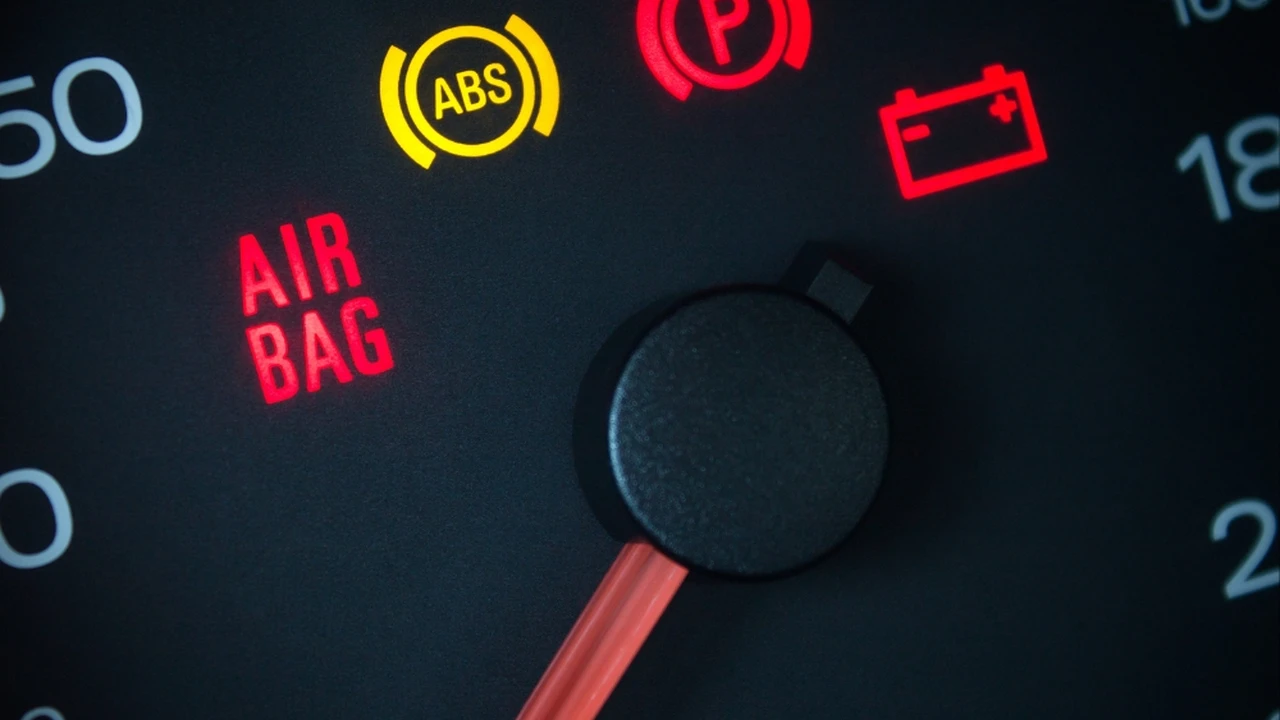
Decoding the Dashboard Symphony Car Warning Lights Explained
Alright, let's face it, that dashboard of yours can look like a Christmas tree gone wrong sometimes. All those little icons lighting up, blinking, or glaring at you – it's enough to send anyone into a panic. But before you start picturing your engine exploding, let's break down what those car warning lights actually mean. Think of them as your car's way of whispering (or sometimes shouting) at you, letting you know something needs attention.
The Severity Spectrum: From Mild Annoyance to Code Red
Warning lights aren't all created equal. Some are just gentle reminders, while others scream "pull over now!" Generally, you can categorize them by color:
- Green/Blue: These are usually informational. They're telling you a system is active, like your headlights or cruise control. Nothing to worry about here.
- Yellow/Amber: These indicate a potential problem or a system malfunction. It's something you should address soon, but it's usually not an emergency. Think of it as a "hey, check this out when you get a chance" light.
- Red: Red means serious business. This indicates a critical issue that could cause damage to your car or put you in danger. Pull over safely as soon as possible and address the problem. Ignoring a red warning light can lead to expensive repairs or, worse, an accident.
Major Car Warning Lights and What They Signify Engine Car Warning Lights
Let's dive into some of the most common culprits:
Check Engine Light (CEL) The Most Mysterious of Car Warning Lights
Ah, the dreaded CEL. This one can mean a million different things, from a loose gas cap to a major engine malfunction. The best thing to do is get your car scanned by a mechanic. They can read the diagnostic trouble code (DTC) and pinpoint the problem. While you *can* drive with a CEL on (especially if it's not flashing), it's best to get it checked out sooner rather than later to prevent further damage. Sometimes, it's as simple as replacing your gas cap, which leads to our product recommendations later.
Oil Pressure Light Low Oil Pressure Car Warning Lights
This light looks like an oil can. If it comes on, it means your engine isn't getting enough oil pressure. This is a serious issue that can cause significant engine damage. Pull over immediately and check your oil level. If it's low, add oil. If the light stays on after adding oil, have your car towed to a mechanic. Driving with low oil pressure is a recipe for disaster.
Battery Light Car Battery Warning Lights
This light looks like a battery. It indicates a problem with your charging system. This could be a bad alternator, a loose battery cable, or a failing battery. If this light comes on, your car is running solely on battery power. You might be able to drive a short distance, but your car will eventually stall. Get it checked out ASAP.
Temperature Light Overheating Car Warning Lights
This light looks like a thermometer in water. It means your engine is overheating. Pull over immediately and let your engine cool down. Check your coolant level. If it's low, add coolant. If the light stays on after adding coolant, have your car towed to a mechanic. Overheating can cause serious engine damage, including a blown head gasket.
Brake Light Car Brake Warning Lights
This light can indicate a few different things: your parking brake is engaged, your brake fluid is low, or there's a problem with your braking system. Check your parking brake first. If it's not engaged, check your brake fluid level. If it's low, add brake fluid. If the light stays on, or if your brakes feel spongy or weak, have your car inspected by a mechanic immediately. Brakes are kind of important, you know?
ABS Light Anti-lock Braking System Car Warning Lights
This light means there's a problem with your anti-lock braking system (ABS). Your regular brakes will still work, but the ABS system won't engage if you need to brake hard. Have it checked out by a mechanic, especially if you live in an area with frequent rain or snow.
Tire Pressure Light Low Tire Pressure Car Warning Lights
This light looks like a horseshoe with an exclamation point in it. It means one or more of your tires is underinflated. Check your tire pressure and inflate your tires to the recommended pressure (usually found on a sticker inside your driver's side door). Low tire pressure can reduce fuel economy and tire life, and it can also be dangerous.
Product Recommendations and Comparisons Keeping Your Car Healthy
Okay, so now you know what those lights mean. Let's talk about some products that can help you keep your car running smoothly and potentially prevent some of those lights from coming on in the first place.
OBD2 Scanners: Your Car's Secret Decoder Ring
Remember that Check Engine Light? An OBD2 scanner allows you to read the diagnostic trouble codes (DTCs) that trigger the light. This can save you a trip to the mechanic just to find out what's wrong. You can find scanners that simply read the codes, or more advanced scanners that can clear the codes and provide live engine data.
Product 1: The Basic Code Reader (Autel AutoLink AL319)
Description: A simple, entry-level OBD2 scanner that reads and clears DTCs. Easy to use and affordable.
Usage Scenario: Perfect for the DIYer who wants to quickly diagnose a Check Engine Light and see if it's something they can fix themselves.
Pros: Affordable, easy to use, reads and clears codes.
Cons: Limited functionality, doesn't provide live data.
Price: Around $30-$40.
Product 2: The Mid-Range Scanner (BlueDriver Bluetooth Professional OBDII Scan Tool)
Description: A Bluetooth scanner that connects to your smartphone or tablet. Provides more detailed information, including live data, freeze frame data, and repair reports. Also, it uses your phone's processing power, so it can be more powerful than a standalone unit.
Usage Scenario: Ideal for the car enthusiast who wants more in-depth information about their car's performance and wants to be able to diagnose more complex issues.
Pros: Detailed information, live data, repair reports, Bluetooth connectivity.
Cons: Requires a smartphone or tablet, slightly more expensive than basic scanners.
Price: Around $100-$120.
Product 3: The Professional-Grade Scanner (LAUNCH X431 V+)
Description: A comprehensive scan tool used by professional mechanics. Offers advanced features such as bi-directional control, coding, and programming.
Usage Scenario: For experienced mechanics or serious DIYers who need access to advanced diagnostic and repair functions.
Pros: Extensive functionality, bi-directional control, coding, and programming.
Cons: Expensive, requires technical knowledge.
Price: Around $1000-$2000.
OBD2 Scanner Comparison
The Autel AL319 is a great starting point if you just want to read and clear codes. The BlueDriver offers a significant upgrade in functionality and provides valuable information for diagnosis. The LAUNCH X431 V+ is for professionals who need the most comprehensive tool available. Choose based on your budget and technical expertise.
Tire Pressure Gauges: Keeping Your Tires Happy Fuel Efficiency Car Warning Lights
That tire pressure light is a constant reminder to keep your tires properly inflated. A good tire pressure gauge is an essential tool for any car owner.
Product 1: The Basic Stick Gauge (Accutire MS-4021B Digital Tire Pressure Gauge)
Description: A simple, inexpensive digital tire pressure gauge.
Usage Scenario: For quick and easy tire pressure checks at home or on the road.
Pros: Affordable, easy to use, accurate.
Cons: Can be difficult to use in tight spaces.
Price: Around $10-$15.
Product 2: The Digital Inflator Gauge (AstroAI Digital Tire Inflator with Pressure Gauge)
Description: A digital tire inflator with a built-in pressure gauge. Allows you to inflate your tires to the correct pressure without having to remove the gauge.
Usage Scenario: Convenient for inflating tires at home or on the road.
Pros: Combines inflation and pressure measurement, easy to use, accurate.
Cons: Requires an air compressor.
Price: Around $30-$40.
Tire Pressure Gauge Comparison
The Accutire is a basic but reliable option for checking tire pressure. The AstroAI inflator gauge is a more convenient option if you frequently need to inflate your tires. Consider where you'll be using the gauge most often when making your decision.
Oil: The Lifeblood of Your Engine Engine Oil Car Warning Lights
Regular oil changes are crucial for maintaining engine health and preventing the dreaded oil pressure light from coming on. Choosing the right oil for your car is important.
Product 1: Conventional Oil (Castrol GTX Conventional Motor Oil)
Description: A standard conventional motor oil.
Usage Scenario: Suitable for older vehicles or vehicles that don't require synthetic oil.
Pros: Affordable.
Cons: Doesn't offer the same level of protection as synthetic oil.
Price: Around $20-$30 per 5-quart jug.
Product 2: Synthetic Blend Oil (Mobil Super Synthetic Blend Motor Oil)
Description: A blend of conventional and synthetic oil.
Usage Scenario: A good compromise between price and performance.
Pros: Offers better protection than conventional oil at a reasonable price.
Cons: Not as good as full synthetic oil.
Price: Around $25-$35 per 5-quart jug.
Product 3: Full Synthetic Oil (Mobil 1 Full Synthetic Motor Oil)
Description: A high-performance full synthetic motor oil.
Usage Scenario: Recommended for newer vehicles, high-performance vehicles, and vehicles that experience severe driving conditions.
Pros: Excellent protection, improved fuel economy, longer oil change intervals.
Cons: More expensive than conventional or synthetic blend oil.
Price: Around $35-$50 per 5-quart jug.
Oil Comparison
Conventional oil is the most affordable option but offers the least protection. Synthetic blend oil is a good compromise between price and performance. Full synthetic oil provides the best protection and is recommended for most modern vehicles. Always check your car's owner's manual to determine the correct oil type and viscosity for your vehicle.
Coolant: Keeping Your Engine Cool Car Overheating Warning Lights
Maintaining proper coolant levels is essential for preventing your engine from overheating. Using the correct type of coolant is also important.
Product 1: Universal Coolant (Prestone All Vehicles Antifreeze + Coolant)
Description: A universal coolant that can be used in most vehicles.
Usage Scenario: Convenient for topping off coolant levels in a variety of vehicles.
Pros: Compatible with most vehicles, easy to find.
Cons: May not provide the same level of protection as a coolant specifically formulated for your vehicle.
Price: Around $15-$20 per gallon.
Product 2: Vehicle-Specific Coolant (Zerex Asian Vehicle Antifreeze / Coolant)
Description: A coolant specifically formulated for Asian vehicles.
Usage Scenario: Recommended for Asian vehicles to ensure optimal performance and protection.
Pros: Specifically formulated for Asian vehicles, provides optimal protection.
Cons: May not be compatible with other vehicles.
Price: Around $20-$25 per gallon.
Coolant Comparison
Universal coolant is a convenient option for topping off coolant levels, but vehicle-specific coolant is recommended for optimal performance and protection. Always check your car's owner's manual to determine the correct type of coolant for your vehicle.
Don't Ignore the Signals Car Warning Lights Importance
Ignoring your car's warning lights is like ignoring a nagging cough – it might go away on its own, but it could also be a sign of something serious. By understanding what those lights mean and taking appropriate action, you can keep your car running smoothly and avoid costly repairs. And remember, when in doubt, consult a qualified mechanic.
:max_bytes(150000):strip_icc()/277019-baked-pork-chops-with-cream-of-mushroom-soup-DDMFS-beauty-4x3-BG-7505-5762b731cf30447d9cbbbbbf387beafa.jpg)