Emergency Roadside Flares vs. Reflective Triangles: Which is Better?
Understanding Roadside Safety Emergency Equipment Choices
Okay, so you're stuck on the side of the road. Not fun, right? First things first, make sure you're in a safe spot, away from traffic. Now you need to alert other drivers that you're there. That's where flares and reflective triangles come in. But which one should you use? Let's break it down.
Roadside Flares A Burning Question of Visibility and Safety
Flares are those bright, burning sticks that you see emergency crews use. They're designed to be highly visible, especially at night or in bad weather. They definitely grab attention.
Pros of Using Roadside Flares For Emergency Situations
- High Visibility: Seriously, they're hard to miss. Even in heavy rain or fog, they cut through the gloom.
- Easy to Use: Most flares are pretty straightforward to light. Just strike the end like a match.
- Psychological Impact: There's something about seeing a burning flare that screams "emergency." It really gets people's attention.
Cons of Using Roadside Flares and Their Potential Drawbacks
- Fire Hazard: They're literally on fire! You need to be super careful where you place them, especially in dry areas.
- Single Use: Once they burn out, that's it. You need to have enough for the entire duration you anticipate needing them.
- Environmental Concerns: They release smoke and chemicals into the air.
- Storage Issues: They need to be stored safely and away from heat and moisture.
Reflective Triangles A Steady and Reliable Roadside Warning System
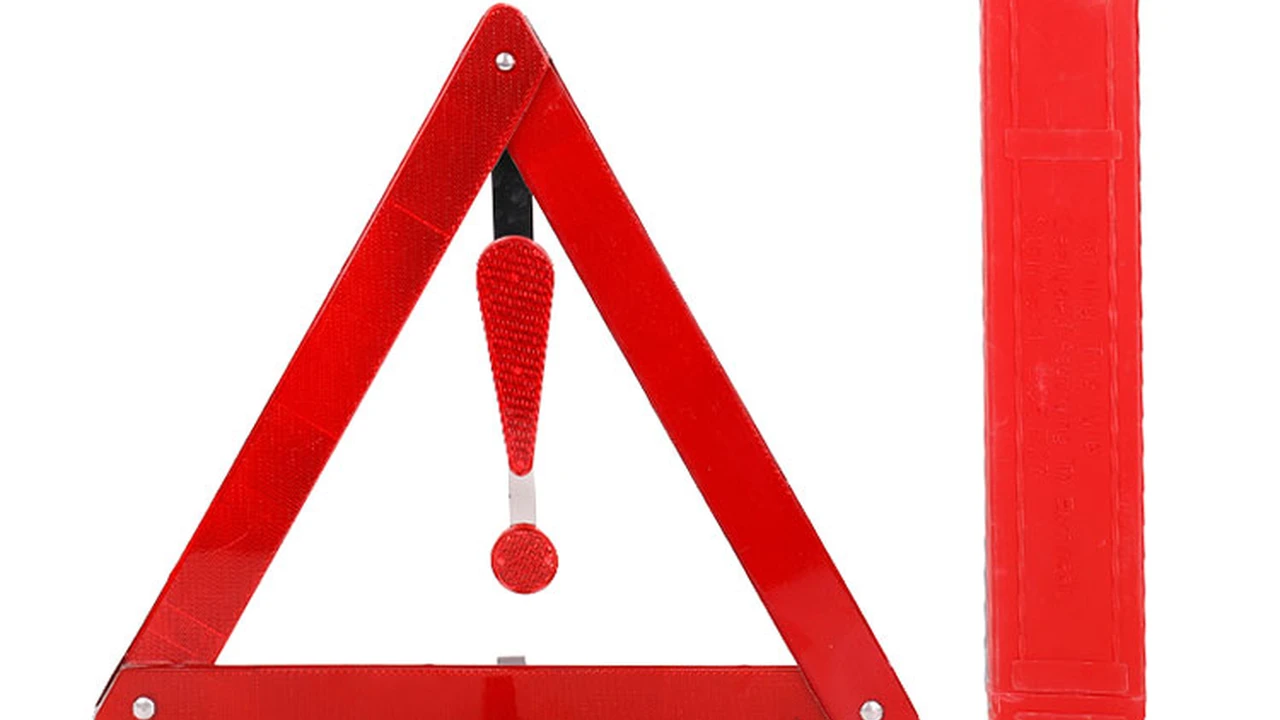
Reflective triangles are those foldable, triangular signs that reflect light from oncoming headlights. They're a more low-tech solution, but still very effective.
Pros of Using Reflective Triangles For Increased Roadside Awareness
- Reusable: You can use them over and over again. Just fold them up and store them in your car.
- No Fire Hazard: No flames, no worries about starting a fire.
- Environmentally Friendly: No emissions, no pollution.
- Good Daytime Visibility: They are very visible during the day.
Cons of Using Reflective Triangles and Their Limitations
- Lower Nighttime Visibility: They rely on headlights to be seen. If it's really dark or foggy, they might not be as effective as flares.
- Placement Matters: You need to position them correctly to catch the headlights.
- Can Be Blown Over: In strong winds, they might get knocked over.
Head to Head Comparison Flares vs Reflective Triangles Which is the Safer Choice
Let's put these two head to head and see which one comes out on top in different situations.
Visibility Comparison Day vs Night and Weather Conditions
Daytime: Triangles are generally fine during the day, as long as they're clean and properly positioned. Flares are also visible, but perhaps overkill in broad daylight.
Nighttime: Flares win hands down at night, especially in poorly lit areas. The burning flame is much more noticeable than reflected light.
Bad Weather: Flares are superior in rain, fog, or snow. The light cuts through the weather better than reflected light.
Safety Considerations Fire Risk vs Stability and Environmental Impact
Fire Risk: Flares are a fire hazard, plain and simple. Be extremely cautious using them near dry grass or flammable materials.
Stability: Triangles can be blown over in strong winds. Some models have weighted bases to help prevent this.
Environmental Impact: Triangles are the clear winner here. Flares release harmful chemicals into the atmosphere.
Legality and Regulations Regarding Roadside Emergency Devices
It's important to check your local laws regarding the use of flares and triangles. Some jurisdictions may have specific regulations or even ban the use of flares altogether. Also, some areas require you to carry warning devices in your vehicle.
Product Recommendations and Reviews Reflective Triangles and Roadside Flares
Okay, let's get to the good stuff! Here are some specific product recommendations for both flares and reflective triangles, along with some details about pricing and where to buy them.
Recommended Reflective Triangle Kits and Their Features
- Car Safety Triangle Warning Kit by Roadside Assistance Group: This kit comes with three weighted triangles and a convenient carrying case. They're highly reflective and meet DOT standards. You can usually find them on Amazon for around $25.
- EPAuto Emergency Folding Reflective Warning Triangle: These are a budget-friendly option, typically costing around $15 on Amazon. They're lightweight and easy to store, but may not be as stable in windy conditions.
- Vilight Triangle Reflectors Emergency Safety Kit: Another good option, these are very bright and easy to set up. They're usually priced around $20.
Recommended Roadside Flare Products and Their Specifications
- Orion Safety Products 30-Minute Flares: These are standard flares that burn for 30 minutes. They're reliable and easy to light. A pack of three usually costs around $10-$15. Available at most auto parts stores.
- Sirius Signal SOS C-1002 Electronic Flare: This is a high-tech alternative to traditional flares. It uses LEDs to create a bright, flashing signal that can be seen for miles. It's more expensive (around $100), but it's reusable and doesn't produce any smoke or pollution.
- Weems & Plath SOS Distress Flare: Another electronic flare option, this one is waterproof and floats. It also has a long battery life. Priced around $120.
Using Roadside Safety Equipment Scenarios and Best Practices
Let's talk about how to use these things in real-world situations.
Scenario 1 Flat Tire on a Busy Highway Emergency Response
You're driving on a busy highway and you get a flat tire. Here's what you do:
- Pull over to a safe location, as far off the road as possible. Turn on your hazard lights.
- Put on your reflective vest (if you have one).
- Set out your reflective triangles. Place one triangle about 10 feet behind your vehicle, another about 100 feet behind, and a third about 200 feet behind. This will give approaching drivers plenty of warning. If you have flares and feel safe using them, consider placing one further back for added visibility, especially if it's dark or foggy.
- Change your tire or call for roadside assistance.
Scenario 2 Breakdown on a Rural Road Emergency Situation
You're driving on a rural road at night and your car breaks down. Here's what you do:
- Pull over to a safe location, as far off the road as possible. Turn on your hazard lights.
- Put on your reflective vest (if you have one).
- Set out your flares. Place one flare about 10 feet behind your vehicle, another about 100 feet behind, and a third about 200 feet behind. Be extra careful when placing the flares, especially if there's dry vegetation nearby. If you don't feel comfortable using flares, use reflective triangles instead, but be aware that they might not be as visible.
- Call for roadside assistance.
General Safety Tips for Roadside Emergencies and Equipment Handling
- Always prioritize your safety. If you don't feel safe getting out of your car, stay inside and call for help.
- Wear a reflective vest to increase your visibility.
- Keep your flares and triangles in an easily accessible location in your car.
- Check your flares periodically to make sure they're still in good condition.
- Dispose of used flares properly. Contact your local fire department for guidance.
Alternative Roadside Safety Solutions Beyond Flares and Triangles
Flares and triangles are great, but there are other tools you can use to stay safe on the side of the road.
Reflective Safety Vests Enhancing Visibility For Roadside Assistance
A reflective safety vest is a must-have for any roadside emergency. It makes you much more visible to approaching drivers, especially at night.
Emergency Beacons and Lights Modern Roadside Signaling Technology
Emergency beacons and lights are another great way to alert other drivers to your presence. They're often brighter and more visible than traditional hazard lights.
Portable Jump Starters and Power Banks Staying Connected and Prepared
A portable jump starter can save you a lot of hassle if your battery dies. A power bank can keep your phone charged so you can call for help.
Making the Right Choice For Your Vehicle and Driving Needs
So, which is better, flares or reflective triangles? The answer depends on your individual needs and driving habits. If you frequently drive at night or in bad weather, flares are a good investment. If you're more concerned about safety and environmental impact, reflective triangles are a better choice. Ultimately, the best option is to have both in your car and know how to use them properly.
:max_bytes(150000):strip_icc()/277019-baked-pork-chops-with-cream-of-mushroom-soup-DDMFS-beauty-4x3-BG-7505-5762b731cf30447d9cbbbbbf387beafa.jpg)