Repairing a Punctured Tire with a Tire Plug Kit: Emergency Fixes
Understanding Tire Punctures and Roadside Emergencies What You Need to Know
Alright, let's be real. Nobody *wants* a flat tire. It always happens at the worst possible time, right? Maybe you're late for a meeting, stuck in the middle of nowhere, or it's pouring rain. Knowing how to handle a punctured tire quickly and safely is a crucial skill for any driver. This isn't about being a pro mechanic; it's about getting yourself out of a bind and back on the road. We're going to focus on using a tire plug kit, which is a fantastic temporary fix that can save you a tow truck call and a lot of hassle. Remember, this is a temporary fix; you'll still need to get your tire properly repaired or replaced by a professional as soon as possible.
Think of it this way: a tire plug kit is like a first-aid kit for your tire. It's not a permanent solution, but it can stop the bleeding (air leak) and get you to the nearest repair shop. Before we dive into the how-to, let's talk about why you should even bother with this. First, it's faster than changing a tire, especially if you're dealing with a difficult lug nut or an awkward location. Second, it's often safer than trying to change a tire on a busy highway shoulder. And third, it can save you money on towing services.
Essential Tire Plug Kit Components and Their Functions Know Your Tools
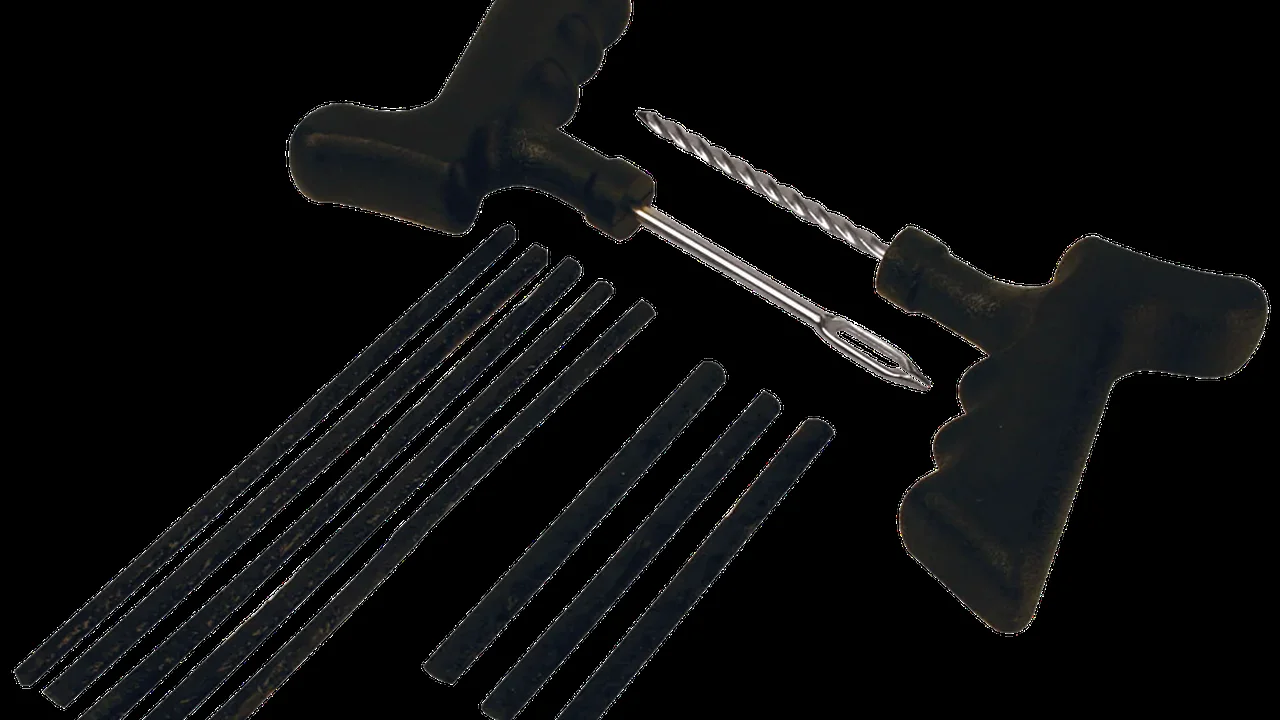
So, what's in a tire plug kit? Most kits contain the following:
- Insertion Tool: This is the tool you'll use to insert the plug into the puncture. It usually has a split eye at the end to hold the plug.
- Reamer Tool: This tool is used to clean and enlarge the puncture hole, making it easier to insert the plug. It's also sometimes called a rasp tool.
- Rubber Cement: Used to lubricate the plug and help it adhere to the tire.
- Tire Plugs: These are the sticky, rope-like plugs that fill the puncture. They come in different sizes, so choose one that's appropriate for the size of the hole.
- Knife or Blade: To trim the excess plug material after insertion.
- Pliers (Optional but Recommended): Helpful for removing the object that caused the puncture.
Make sure your kit is complete and that you know how each tool works before you need it. A quick practice run in your driveway can make a huge difference when you're facing a real emergency.
Step-by-Step Guide Repairing a Punctured Tire with a Plug Kit A Practical Approach
Okay, let's get down to business. Here's how to repair a punctured tire using a tire plug kit:
- Safety First! Park your car on a level surface, engage the parking brake, and turn on your hazard lights. If you have them, place warning triangles behind your vehicle to alert other drivers. Wear gloves to protect your hands.
- Locate the Puncture: Inspect the tire carefully to find the puncture. If you can't see it, try listening for a hissing sound or using a spray bottle filled with soapy water. The bubbles will indicate the location of the leak.
- Remove the Object: Use pliers to carefully remove the object that caused the puncture (nail, screw, etc.). Be careful not to make the hole any larger.
- Prepare the Hole: Insert the reamer tool into the puncture and push it in and out several times to clean and enlarge the hole. This will create a rough surface for the plug to adhere to.
- Prepare the Plug: Thread a tire plug through the eye of the insertion tool. Fold the plug so that the ends are even.
- Insert the Plug: Apply rubber cement to the plug. Insert the insertion tool into the puncture, pushing the plug in until about half an inch remains outside the tire.
- Remove the Insertion Tool: While holding the plug in place, carefully pull the insertion tool straight out. The plug should remain in the tire.
- Trim the Excess: Use a knife or blade to trim the excess plug material, leaving about ¼ inch sticking out.
- Inflate the Tire: Inflate the tire to the recommended pressure (check your owner's manual or the sticker on your driver's side door).
- Check for Leaks: Spray the repaired area with soapy water to check for leaks. If you see bubbles, the plug isn't sealing properly, and you may need to try again.
- Drive to a Repair Shop: Drive to a professional tire repair shop as soon as possible to have the tire properly repaired or replaced.
Remember to check your tire pressure regularly after using a plug kit. It's a temporary fix, and you want to make sure it's holding air until you can get it properly addressed.
Choosing the Right Tire Plug Kit Product Recommendations and Comparisons
Not all tire plug kits are created equal. Some are better than others in terms of quality, ease of use, and durability. Here are a few recommendations, along with comparisons and price ranges:
Slime Tire Plug Kit A Popular Choice
Description: Slime is a well-known brand in the tire repair industry. Their tire plug kit is a popular choice for its ease of use and comprehensive set of tools. It typically includes a reamer tool, insertion tool, rubber cement, tire plugs, and a carrying case.
Pros: Easy to use, comprehensive kit, readily available.
Cons: Some users have reported that the plugs can be a bit sticky and difficult to insert.
Typical Price Range: $15 - $25
Use Cases: Ideal for everyday drivers who want a reliable and easy-to-use tire plug kit for roadside emergencies.
Boulder Tools Heavy Duty Tire Repair Kit Built to Last
Description: The Boulder Tools Heavy Duty Tire Repair Kit is designed for more demanding situations. It features heavy-duty tools and high-quality plugs that are built to last. This kit is a good choice for off-road enthusiasts or anyone who frequently drives on rough terrain.
Pros: Durable tools, high-quality plugs, suitable for heavy-duty use.
Cons: More expensive than other kits, may be overkill for occasional use.
Typical Price Range: $30 - $50
Use Cases: Perfect for off-roaders, truck drivers, or anyone who needs a reliable tire plug kit for challenging conditions.
ARB Speedy Seal Tire Repair Kit A Premium Option
Description: ARB is a premium brand known for its high-quality off-road equipment. Their Speedy Seal Tire Repair Kit is a top-of-the-line option that includes everything you need to repair a punctured tire quickly and efficiently. It features a unique insertion tool that makes it easy to insert the plugs, even in difficult-to-reach areas.
Pros: High-quality tools, easy-to-use insertion tool, durable carrying case.
Cons: The most expensive option, may be overkill for occasional use.
Typical Price Range: $60 - $80
Use Cases: Ideal for serious off-roaders or anyone who wants the best possible tire repair kit.
Product Comparison Table
| Feature | Slime Tire Plug Kit | Boulder Tools Heavy Duty Tire Repair Kit | ARB Speedy Seal Tire Repair Kit |
|---|---|---|---|
| Durability | Medium | High | High |
| Ease of Use | High | Medium | High |
| Price | Low | Medium | High |
| Best For | Everyday Drivers | Heavy-Duty Use | Serious Off-Roaders |
Tire Plug Kit Safety Precautions and Limitations A Word of Caution
Using a tire plug kit is generally safe, but it's important to follow these precautions:
- Never use a tire plug kit to repair a sidewall puncture. Sidewall punctures are too dangerous to repair with a plug.
- Don't exceed the speed rating of the tire after using a plug kit. Plugs are a temporary fix, and driving at high speeds can cause them to fail.
- Inspect the tire regularly for leaks. If you notice any leaks, have the tire repaired or replaced immediately.
- Always wear safety glasses when using a tire plug kit. This will protect your eyes from debris.
- Keep the tire plug kit out of reach of children.
Remember, a tire plug is a temporary fix. It's designed to get you to a repair shop safely. Don't rely on it for long-term use. Get your tire properly repaired or replaced as soon as possible.
Alternative Roadside Tire Solutions Exploring Your Options
While tire plug kits are great, they're not the only option for dealing with a flat tire. Here are a few alternatives:
- Changing the Tire: This is the most common solution, but it can be time-consuming and difficult, especially if you're dealing with a stubborn lug nut.
- Using a Spare Tire: If you have a spare tire, you can replace the flat tire with the spare. However, many newer cars don't come with spare tires, so this may not be an option.
- Using Run-Flat Tires: Run-flat tires are designed to be driven on for a limited distance after a puncture. This can give you enough time to get to a repair shop.
- Calling Roadside Assistance: If you're not comfortable repairing the tire yourself, you can call roadside assistance. They can either change the tire or tow your car to a repair shop.
Each option has its own pros and cons. Consider your own skills and comfort level when deciding how to handle a flat tire.
Preventing Tire Punctures Proactive Measures for Road Safety
The best way to deal with a flat tire is to prevent it from happening in the first place. Here are a few tips:
- Maintain proper tire pressure. Underinflated tires are more susceptible to punctures.
- Inspect your tires regularly for damage. Look for cuts, bulges, and embedded objects.
- Avoid driving over debris in the road.
- Rotate your tires regularly. This will help them wear evenly and prolong their lifespan.
- Consider using tire sealant. Tire sealant can help prevent punctures by sealing small holes as they occur.
Taking these simple steps can significantly reduce your chances of experiencing a flat tire.
The Future of Tire Repair Innovations and Emerging Technologies
The world of tire repair is constantly evolving. Here are a few emerging technologies and innovations to keep an eye on:
- Self-Sealing Tires: These tires are designed to automatically seal small punctures, preventing air loss.
- Airless Tires: These tires don't require air pressure, eliminating the risk of flat tires altogether.
- Smart Tire Technology: These tires are equipped with sensors that can monitor tire pressure, temperature, and wear, providing valuable data to the driver.
These technologies have the potential to revolutionize the way we think about tire repair and maintenance.
:max_bytes(150000):strip_icc()/277019-baked-pork-chops-with-cream-of-mushroom-soup-DDMFS-beauty-4x3-BG-7505-5762b731cf30447d9cbbbbbf387beafa.jpg)