Replacing a Fuse on the Roadside: Electrical Troubleshooting

Understanding Fuses Your Car's Electrical Guardians
Alright, so you're stuck on the side of the road, and your radio's dead, your wipers won't wipe, or something equally annoying. Chances are, a fuse has blown. Think of fuses as tiny electrical bodyguards. They're designed to protect your car's circuits from overload. When too much current flows through a circuit, the fuse melts, breaking the circuit and preventing damage to more expensive components. Knowing how to identify, test, and replace a fuse is a seriously valuable roadside skill. We're talking about saving yourself from a tow truck bill and getting back on the road quickly.
Identifying the Culprit Blown Fuse Diagnosis
First things first, grab your owner's manual. Seriously, don't skip this step. Your manual will tell you the location of your fuse box(es) – most cars have at least one under the dash and another in the engine compartment. It'll also have a fuse diagram, which is *crucial* for figuring out which fuse controls what. Once you've located the fuse box and the diagram, look for the fuse associated with the malfunctioning component (radio, wipers, lights, etc.). Now, for the visual inspection. A blown fuse will usually have a broken filament or a dark, burnt spot inside. Sometimes, though, it's not so obvious. That's where a fuse tester comes in handy. These are cheap and readily available at any auto parts store. Just touch the tester to the test points on top of the fuse (without removing the fuse). If the tester lights up, the fuse is good. If it doesn't, the fuse is blown. You can also use a multimeter set to continuity to test fuses. With the fuse removed, place the probes on either end of the fuse. If the meter beeps or shows a very low resistance, the fuse is good. If it shows no continuity (infinite resistance), the fuse is blown.
The Replacement Process From Diagnosis to Solution
Okay, you've identified the blown fuse. Now for the replacement. Make sure the ignition is off! This is important for safety. Use a fuse puller (usually located inside the fuse box) or a pair of needle-nose pliers to gently remove the blown fuse. Don't force it! Now, find a replacement fuse with the *exact same amperage rating*. This is absolutely crucial! The amperage rating is printed on the fuse itself. Using a fuse with a higher amperage rating is extremely dangerous because it could allow too much current to flow through the circuit, potentially causing a fire. Using a fuse with a lower amperage rating will likely blow immediately. Insert the new fuse into the empty slot. It should fit snugly.
Testing Your Work Did It Work
Turn the ignition on (or to the accessory position) and test the component that wasn't working. If it works, congratulations! You've successfully replaced a fuse on the roadside. If it still doesn't work, the problem may be more complex than a blown fuse. It could be a wiring issue, a faulty component, or something else entirely. At this point, it's probably best to call for professional help.
Roadside Electrical Troubleshooting Beyond the Fuse
Sometimes, a blown fuse is a symptom of a larger problem. If the fuse blows repeatedly, there's likely a short circuit somewhere in the system. A short circuit occurs when a wire or component comes into contact with ground, creating a low-resistance path for current to flow. This can cause the fuse to blow immediately or after a short period of operation. To troubleshoot a short circuit, you'll need to systematically check the wiring and components associated with the circuit. Look for damaged or frayed wires, loose connections, and signs of corrosion. If you find any damage, repair or replace the affected components. If you're not comfortable working with electrical systems, it's best to leave this to a professional.
Essential Tools for Roadside Fuse Replacement Your Mobile Toolkit
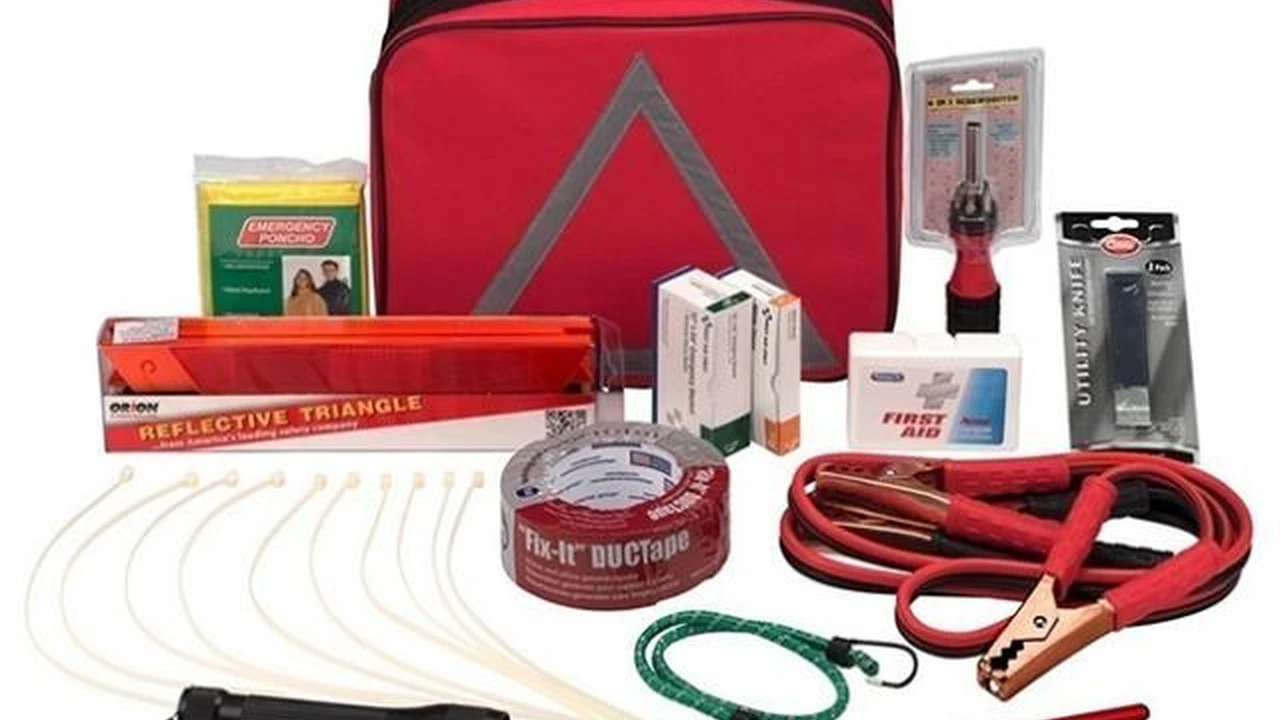
Here's what you should always have in your car for roadside fuse repairs:
*Owner's Manual: Essential for locating fuse boxes and diagrams.
*Fuse Tester or Multimeter: For quickly identifying blown fuses.
*Fuse Puller or Needle-Nose Pliers: For safely removing fuses.
*Spare Fuses: A variety of amperage ratings is ideal. Get an assortment pack.
*Flashlight or Headlamp: For working in low-light conditions.
Gloves: To keep your hands clean and protectedProduct Recommendations and Comparisons Gear Up for Success
Let's talk specific product recommendations. These are things I personally use and trust, or have heard great things about from other mechanics and roadside assistance pros.
Fuse Assortment Kits Covering Your Bases
Littelfuse Fuses Assortment Kit: Littelfuse is a reputable brand, and their assortment kits usually include a wide range of fuse sizes and types (ATO, Mini, Maxi). Great for general use. Expect to pay around $15-$25. They’re readily available at most auto parts stores and online retailers. They are relatively inexpensive and are good to keep as backups.
Bussmann ATM Fuse Kit: Bussmann is another well-known manufacturer of fuses and electrical components. Their ATM fuse kit includes a variety of mini fuses, which are commonly used in modern vehicles. This kit is ideal for those who need a specific type of fuse and want to ensure they have a reliable supply. Expect to pay around $20-$30. Bussmann fuses are known for their quality and performance, so you can be confident that they will provide reliable protection for your vehicle's electrical system.
Fuse Testers Pinpointing the Problem
INNOVA 5568 Pro-Range Digital Multimeter: While not *just* a fuse tester, a good multimeter is invaluable for all sorts of electrical troubleshooting. The INNOVA 5568 is a solid, reliable option with a clear digital display and a wide range of functions. Price is around $30-$50. This is a great option for those who want a versatile tool that can be used for a variety of electrical tasks.
GearWrench 82101 Digital Multimeter: The GearWrench 82101 Digital Multimeter is a reliable and accurate tool for electrical testing. It features a large, backlit display for easy reading in low-light conditions, as well as a built-in stand for hands-free operation. With a wide range of measurement capabilities, this multimeter is suitable for both automotive and household electrical tasks. Expect to pay around $35-$55. The GearWrench 82101 is a durable and versatile multimeter that is designed to withstand the rigors of daily use.
Fuse Pullers Simple But Essential
ARES 70021 Fuse Puller and Terminal Tool: This tool includes a fuse puller and a terminal tool, making it a versatile addition to any automotive toolkit. The fuse puller is designed to safely and easily remove fuses without damaging them, while the terminal tool is perfect for disconnecting electrical connectors and terminals. The ARES 70021 is made from durable materials and is built to last, making it a reliable choice for both professional and DIY mechanics. Expect to pay around $8-$15.
Littelfuse 0299010 Fuse Puller: A simple and effective tool for removing fuses. It features a comfortable grip and a durable construction, making it easy to use and built to last. The Littelfuse 0299010 is a great option for those who want a dedicated fuse puller that is both affordable and reliable. Expect to pay around $5-$10.
Headlamps Illuminating the Situation
Petzl Actik Core Headlamp: This headlamp delivers 450 lumens of bright, white light and features a hybrid concept design, allowing it to be powered by either the included rechargeable battery or three AAA batteries. It also offers multiple lighting modes, including proximity, distance, and boost, making it versatile for a variety of outdoor activities. The Petzl Actik Core is lightweight, comfortable to wear, and features a reflective headband for added visibility in low-light conditions. Expect to pay around $70-$80.
Black Diamond Spot 400 Headlamp: The Black Diamond Spot 400 Headlamp is a versatile and reliable lighting solution for outdoor adventures. It features a compact and lightweight design, making it comfortable to wear for extended periods. With a maximum output of 400 lumens, this headlamp provides ample illumination for hiking, camping, and other nighttime activities. The Spot 400 also offers multiple lighting modes, including proximity, distance, and strobe, allowing you to customize the light output to suit your needs. Expect to pay around $40-$50.
Amperage Ratings The Key to Fuse Selection
Always, *always* replace a fuse with one of the same amperage rating. The amperage rating is the amount of current the fuse can handle before it blows. Using a fuse with a higher amperage rating can allow too much current to flow through the circuit, potentially causing a fire. Using a fuse with a lower amperage rating will likely blow immediately. The amperage rating is printed on the fuse itself. Common amperage ratings include 5A, 7.5A, 10A, 15A, 20A, 25A, 30A, and 40A.
Fuse Types ATO, Mini, Maxi, and More
There are several different types of fuses used in automobiles. The most common types include ATO (blade), Mini (blade), Maxi (blade), and glass tube fuses. ATO fuses are the standard size blade fuses, while Mini fuses are smaller in size. Maxi fuses are larger and are typically used for high-current circuits. Glass tube fuses are older and are less common in modern vehicles. Each fuse type has a different shape and size, so it's important to select the correct type for your vehicle.
Preventing Future Fuse Failures Addressing the Root Cause
While replacing a blown fuse can get you back on the road, it's important to address the underlying cause of the failure to prevent future issues. Repeated fuse failures can indicate a short circuit, an overloaded circuit, or a faulty component. To prevent future fuse failures, inspect the wiring and components associated with the circuit for damage, loose connections, or corrosion. Repair or replace any damaged components, and ensure that all connections are secure. If you're not comfortable working with electrical systems, it's best to consult a professional mechanic.
:max_bytes(150000):strip_icc()/277019-baked-pork-chops-with-cream-of-mushroom-soup-DDMFS-beauty-4x3-BG-7505-5762b731cf30447d9cbbbbbf387beafa.jpg)