Understanding Roadside Assistance Services: A Comprehensive Guide
What is Roadside Assistance and Why You Need It Roadside Emergency Services Explained
Okay, so you're cruising down the highway, windows down, belting out your favorite tunes... and then *bam*. Flat tire. Dead battery. Out of gas. Sound familiar? Roadside assistance is your knight in shining armor (or tow truck) when these kinds of unexpected car troubles happen. It's essentially a service that provides help when your vehicle breaks down. Think of it as a safety net for drivers.
But why *do* you need it? Well, consider this: you could be stranded in the middle of nowhere, late at night, or in bad weather. Trying to fix a problem yourself in these situations can be dangerous. Roadside assistance gets you back on the road quickly and safely. Plus, it saves you the hassle of finding a tow truck or begging a stranger for help. Peace of mind, folks. That's what it's all about.
Common Roadside Assistance Services Tire Changes Jump Starts Fuel Delivery and Towing Services Detailed
Roadside assistance isn't just one thing; it's a whole toolbox of services. Here's a breakdown of the most common ones:
- Tire Changes: Flat tire? They'll swap it out for your spare. Don't have a spare? They might be able to tow you to a tire shop.
- Jump Starts: Dead battery got you down? A jump start will get you going again. They'll connect jumper cables and give your battery the boost it needs.
- Fuel Delivery: Ran out of gas? They'll bring you enough to get to the nearest gas station. No more pushing your car down the road!
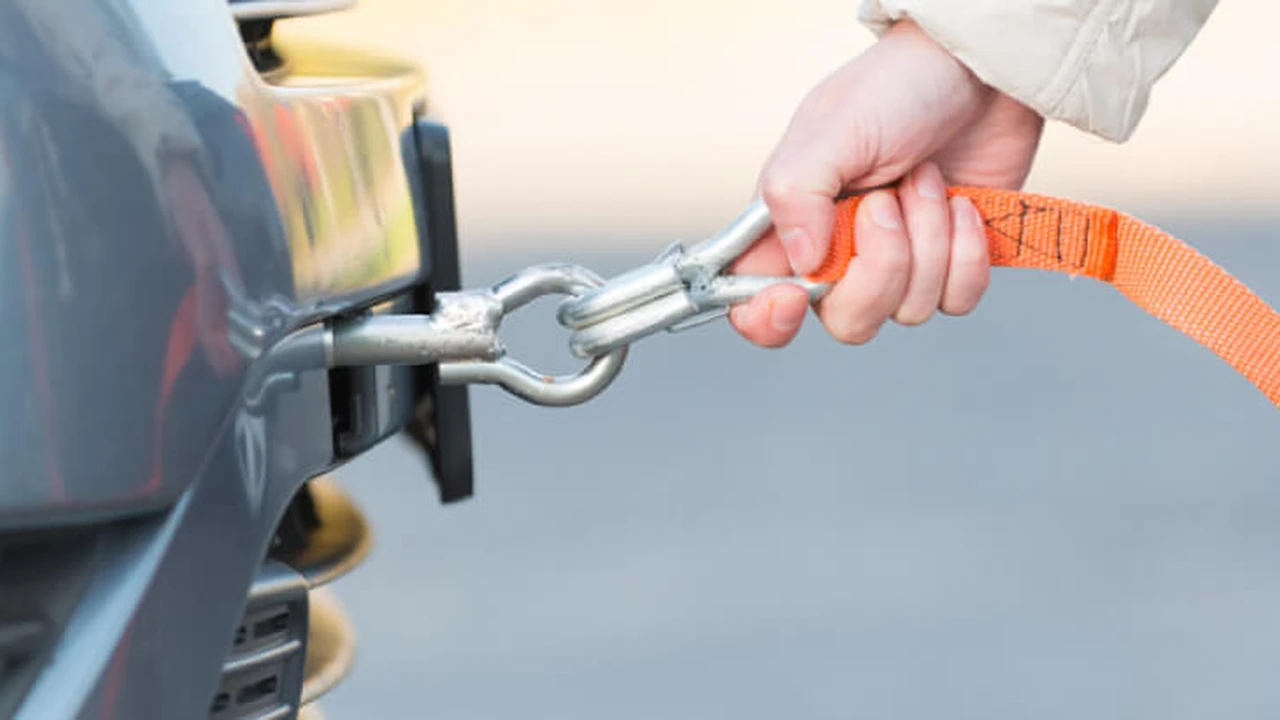
- Towing: Serious problem? They'll tow your vehicle to a repair shop. This is often a lifesaver when your car is completely undriveable.
- Lockout Service: Locked your keys inside? They'll help you get back in. No need to smash a window!
- Winching: Stuck in a ditch or mud? They'll winch you out. This is especially helpful if you go off-roading.
Choosing the Right Roadside Assistance Plan Comparing Providers Coverage and Cost
Okay, so you're sold on the idea of roadside assistance. Great! But how do you choose the right plan? There are tons of options out there, and it can be confusing. Here's what to consider:
- Coverage Area: Does the plan cover the areas where you typically drive? Some plans have limited coverage areas.
- Service Limits: Are there limits on the number of service calls you can make per year? Or on the distance they'll tow your vehicle?
- Response Time: How quickly will they arrive to help you? Faster response times are crucial in emergency situations.
- Cost: How much does the plan cost per year or month? Consider the value you're getting for the price.
- Reputation: What do other customers say about the provider? Check online reviews and ratings.
Some popular providers include AAA, your auto insurance company (many offer roadside assistance as an add-on), and credit card companies (some cards offer roadside assistance benefits). Do your research and compare plans to find the best fit for your needs.
Essential Car Emergency Kit Must Have Items for Roadside Safety
Even with roadside assistance, it's smart to have your own emergency kit in your car. This way, you can handle minor issues yourself and stay safe while waiting for help to arrive. Here's what to include:
- Jumper Cables: Even if you have roadside assistance, having your own jumper cables can be handy.
- Tire Inflator/Sealant: For minor tire leaks.
- First-Aid Kit: Bandages, antiseptic wipes, pain relievers, etc.
- Flashlight: With extra batteries.
- Warning Triangles or Flares: To alert other drivers to your presence.
- Basic Tools: Screwdrivers, pliers, wrench.
- Gloves: To protect your hands.
- Duct Tape: For temporary repairs.
- Water and Non-Perishable Snacks: In case you're stranded for a while.
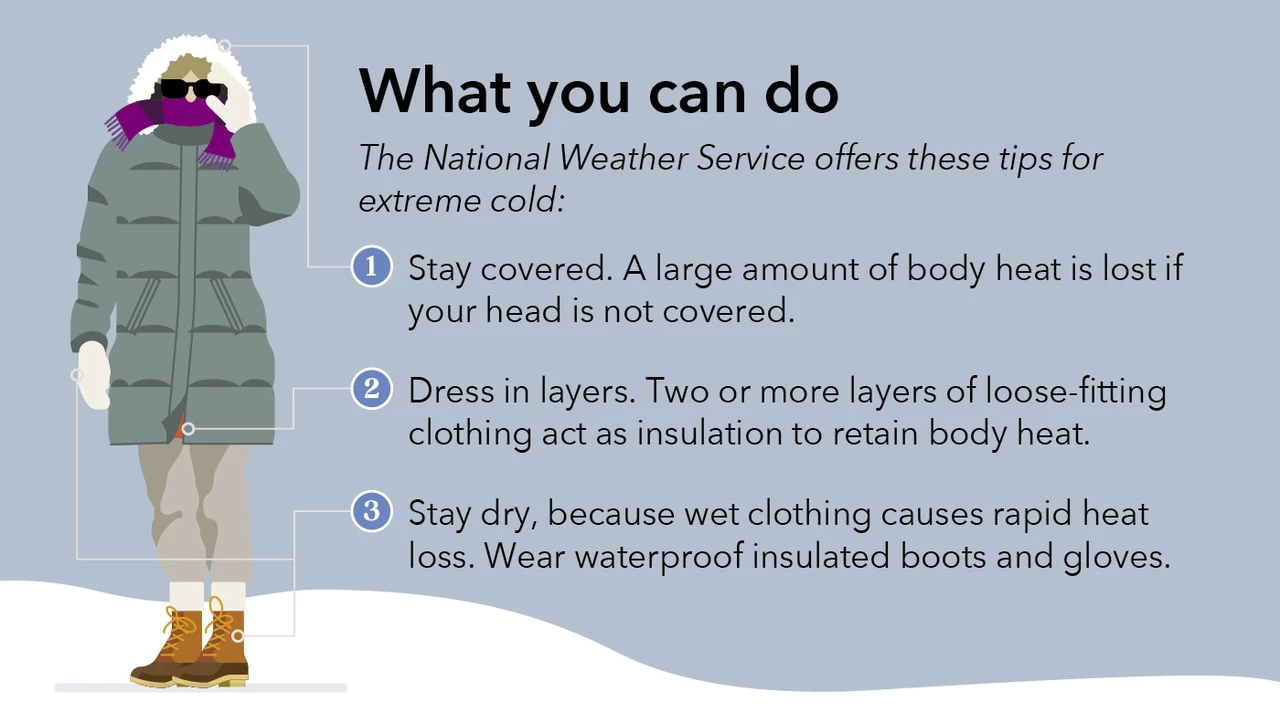
- Blanket: For warmth in cold weather.
- Phone Charger: Keep your phone charged so you can call for help.
Roadside Assistance Apps Technology to the Rescue Comparing Apps for Quick Help
In today's world, there's an app for everything, including roadside assistance! These apps can connect you with help quickly and easily. Here are a few popular options:
- AAA Mobile App: If you're a AAA member, this app is a must-have. It allows you to request roadside assistance, track the service vehicle, and find nearby gas stations and repair shops.
- Urgent.ly: This app connects you with a network of roadside assistance providers. You can request help for a variety of issues, including towing, jump starts, and tire changes.
- HONK: Similar to Urgent.ly, HONK connects you with roadside assistance providers and offers transparent pricing.
- Waze: While not specifically a roadside assistance app, Waze can be helpful for reporting roadside emergencies and alerting other drivers to potential hazards.
These apps often offer features like GPS tracking, estimated arrival times, and upfront pricing, making it easier to get the help you need quickly and efficiently.
Product Recommendations Portable Jump Starters Tire Inflators and Emergency Lights Tested and Reviewed
Let's talk gear! Here are some specific products that can be a lifesaver on the road:
NOCO Boost Plus GB40 1000 Amp 12V UltraSafe Lithium Jump Starter
Use Case: This portable jump starter is perfect for jump-starting cars, trucks, SUVs, and even boats with up to a 6-liter gasoline or 3-liter diesel engine. It's compact and easy to use, even for beginners.
Comparison: Compared to traditional lead-acid jump starters, the NOCO Boost Plus is much lighter and more compact. It also features spark-proof technology and reverse polarity protection for added safety.
Price: Around $100
EPAuto 12V DC Portable Air Compressor Pump Digital Tire Inflator
Use Case: This tire inflator is ideal for topping off your tires or inflating them after a flat tire repair. It plugs into your car's 12V outlet and features a digital display for accurate pressure readings.
Comparison: Compared to manual tire pumps, the EPAuto inflator is much faster and easier to use. It also features an automatic shut-off function to prevent over-inflation.
Price: Around $30
GearLight LED Headlamp S500 2 Pack Head Lamps Flashlight
Use Case: A headlamp is essential for working on your car in the dark. This GearLight headlamp is bright, durable, and comfortable to wear.
Comparison: Compared to traditional flashlights, a headlamp allows you to keep your hands free while working.
Price: Around $20 for a 2-pack
HAZARD 4 Heavy Water Diver Lanyard
Use Case: While seemingly simple, a good lanyard can hold keys, small tools, or even a small flashlight securely. This is especially useful if you are working under the hood or in other tight spaces where dropping something could be a real problem.
Comparison: Cheaper lanyards often break or wear out quickly. This one is built to last and can withstand harsh conditions.
Price: Around $25
Avoiding Scams Protecting Yourself from Roadside Assistance Fraud
Unfortunately, there are scammers out there who prey on stranded motorists. Here's how to protect yourself:
- Verify the Provider: Before accepting help from anyone, verify that they are affiliated with a legitimate roadside assistance company. Ask for identification and check their credentials.
- Get a Price Quote: Before any work is done, get a clear and upfront price quote. Be wary of providers who refuse to provide a quote or who try to pressure you into accepting services.
- Pay with a Credit Card: Paying with a credit card gives you some protection against fraud. You can dispute the charge if you believe you've been scammed.
- Don't Sign Blank Forms: Never sign a blank form or agreement. Make sure you understand all the terms and conditions before signing anything.
- Trust Your Gut: If something feels wrong, trust your instincts. Don't be afraid to refuse service and call for help from a trusted source.
By being aware of these scams and taking precautions, you can protect yourself from becoming a victim.
DIY Roadside Repairs Simple Fixes You Can Do Yourself
While roadside assistance is great, there are some simple repairs you can do yourself to get back on the road quickly. However, only attempt these if you feel comfortable and confident in your abilities. Safety first!
- Changing a Tire: Learn how to change a tire safely. This is a basic skill that every driver should know.
- Jump Starting a Car: Learn how to jump start a car properly. Make sure you connect the jumper cables in the correct order.
- Adding Coolant: If your car is overheating, you may need to add coolant. Be careful not to burn yourself.
- Replacing a Fuse: If an electrical component isn't working, check the fuse. A blown fuse is often an easy fix.
Remember to consult your owner's manual for specific instructions on how to perform these repairs on your vehicle.
Staying Safe While Waiting for Roadside Assistance Visibility and Awareness Tips
If you're stranded on the side of the road, your safety is paramount. Here are some tips for staying safe while waiting for help to arrive:
- Pull Over Safely: Pull over as far off the road as possible, preferably onto the shoulder.
- Turn on Hazard Lights: This will alert other drivers to your presence.
- Set Up Warning Devices: Place warning triangles or flares behind your vehicle to warn oncoming traffic.
- Stay in Your Vehicle: If possible, stay inside your vehicle with your seatbelt fastened.
- Be Aware of Your Surroundings: Pay attention to traffic and be aware of your surroundings.
- Call for Help: Call roadside assistance or 911 to report your location and the nature of the problem.
By following these safety tips, you can minimize the risk of an accident while waiting for help.
Preventative Maintenance Avoiding Roadside Breakdowns Before They Happen
The best way to avoid roadside breakdowns is to keep your vehicle properly maintained. Here are some preventative maintenance tips:
- Regular Oil Changes: Change your oil according to the manufacturer's recommendations.
- Check Tire Pressure: Check your tire pressure regularly and inflate them to the proper level.
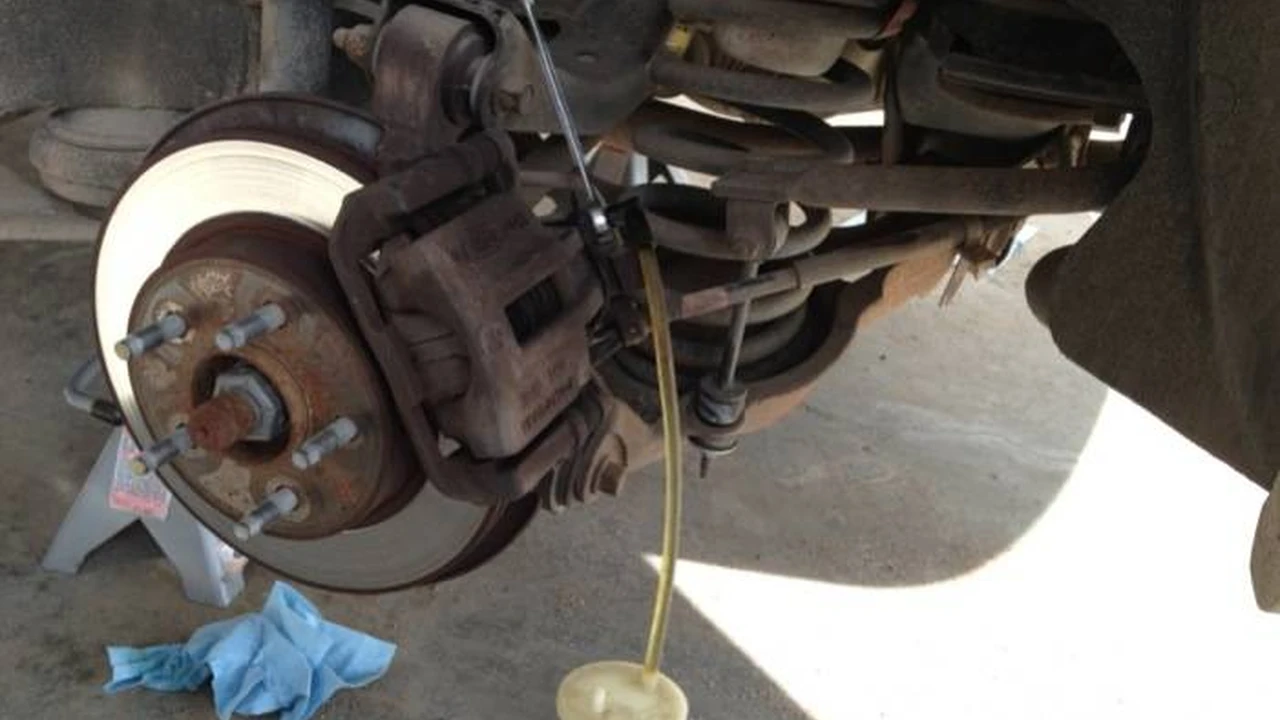
- Inspect Fluids: Check your coolant, brake fluid, power steering fluid, and transmission fluid levels regularly.
- Replace Air Filters: Replace your air filters regularly to ensure proper engine performance.
- Get Regular Tune-Ups: Schedule regular tune-ups to keep your engine running smoothly.
- Inspect Brakes: Have your brakes inspected regularly and replace them as needed.
- Check Battery: Have your battery tested regularly and replace it if it's weak.
By following these preventative maintenance tips, you can significantly reduce the risk of roadside breakdowns and keep your vehicle running smoothly for years to come.
Understanding Your Car Warranty Does it Cover Roadside Assistance
Many new car warranties include roadside assistance coverage. Check your warranty documents to see if you're covered. This coverage may include towing, jump starts, tire changes, and fuel delivery. Knowing what's covered under your warranty can save you money and hassle in the event of a breakdown.
Roadside Assistance for Motorcycles Special Considerations and Services
Motorcycles have unique roadside assistance needs compared to cars. Many roadside assistance plans offer specialized services for motorcycles, such as motorcycle towing, tire repair, and battery replacement. Be sure to choose a plan that specifically covers motorcycles if you own one.
:max_bytes(150000):strip_icc()/277019-baked-pork-chops-with-cream-of-mushroom-soup-DDMFS-beauty-4x3-BG-7505-5762b731cf30447d9cbbbbbf387beafa.jpg)