Winter Emergency Kit Essentials: Staying Safe in Cold Weather
Understanding the Importance of a Winter Emergency Kit Cold Weather Preparedness
Okay, so winter's coming. And not just any winter, but the kind of winter that makes you want to hibernate. But life doesn't stop, right? Work, family, errands – they all still need doing. That's why a winter emergency kit isn't just a good idea, it's a necessity. Think of it as your cold-weather insurance policy. We're talking blizzards, power outages, icy roads – all things that can turn a regular day into a survival situation. This kit helps you stay safe, warm, and prepared until help arrives or the weather clears.
Essential Items for Your Winter Emergency Kit The Cold Weather Survival Checklist
Alright, let's break down the essentials. This isn’t just about grabbing a blanket and hoping for the best. We're talking a comprehensive kit that covers various scenarios. Consider this your winter survival checklist:
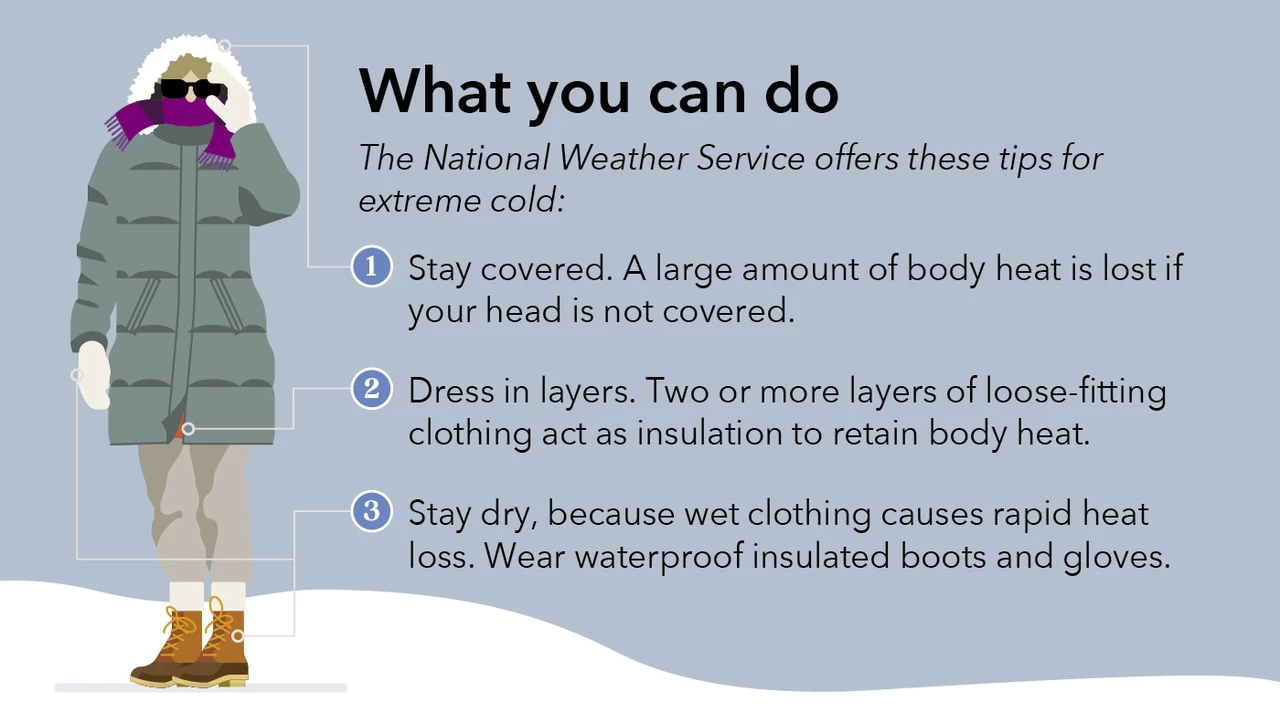
- Warm Clothing Layers: Think thermal underwear, fleece jackets, waterproof outerwear, hats, gloves, scarves, and thick socks. Multiple layers trap heat and allow you to adjust to changing temperatures. Avoid cotton as it retains moisture and can make you colder.
- Emergency Food and Water: Non-perishable food like energy bars, canned goods (with a manual can opener!), and dried fruit. Water is crucial; consider water purification tablets or a portable water filter in case your water supply is compromised. Aim for at least 1 gallon of water per person per day.
- First-Aid Kit: A well-stocked first-aid kit is a must. Include bandages, antiseptic wipes, pain relievers, gauze pads, adhesive tape, and any personal medications. Remember to check expiration dates!
- Light Source: A flashlight or headlamp with extra batteries is essential. Consider a hand-crank or solar-powered option for long-term emergencies. Avoid relying solely on your phone's flashlight; it drains the battery quickly.
- Communication Devices: A fully charged cell phone with a portable charger. A battery-powered or hand-crank NOAA weather radio can provide critical information during power outages. Consider a two-way radio for communicating with family members or neighbors in case cell service is down.
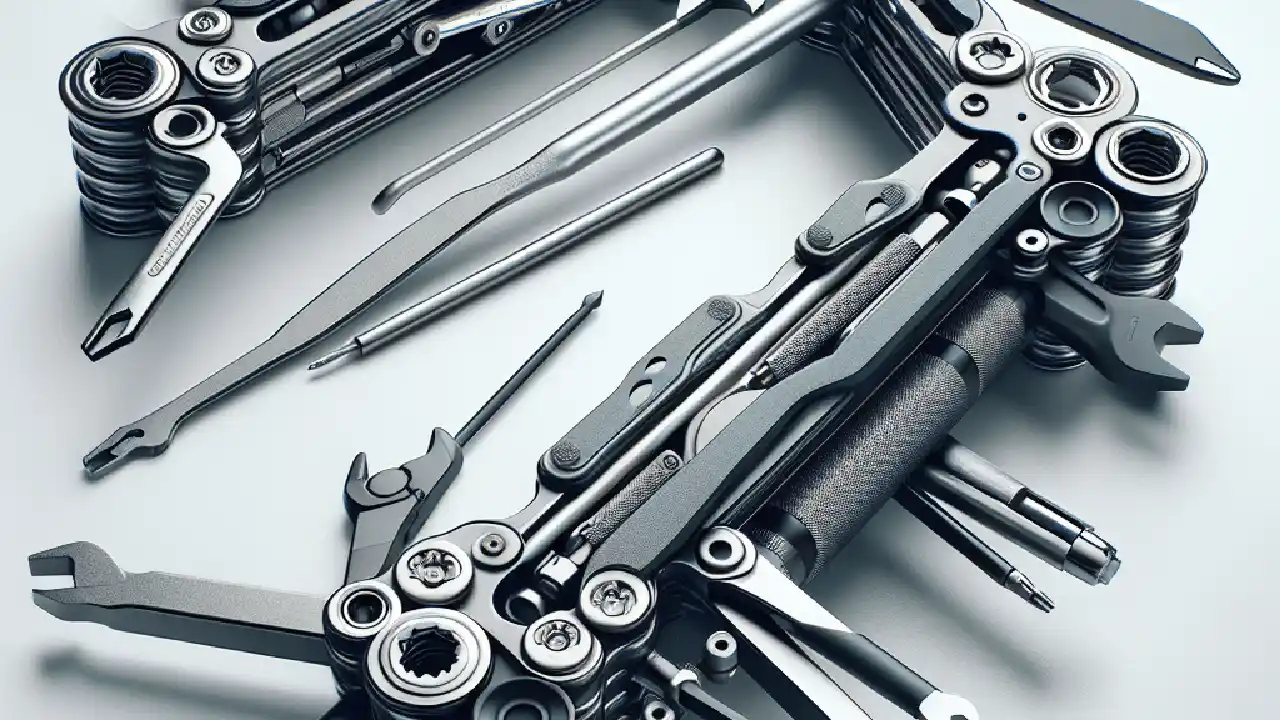
- Tools and Supplies: A multi-tool, a shovel (for digging out your car), ice scraper, jumper cables, sand or kitty litter (for traction on ice), duct tape, a whistle, and a compass.
- Warmth Items: Emergency blankets (mylar blankets are lightweight and effective), hand and foot warmers, and a candle with matches (for emergency heat and light – use with extreme caution!).
- Car Kit Specifics: If you're building a kit for your car, add a snow brush, windshield washer fluid, a tow rope, and warning flares.
Recommended Products for Your Winter Emergency Kit A Buyer's Guide
Now let's get specific. There are tons of products out there, but here are a few I recommend based on performance and value:
Clothing Recommendations:
- Thermal Underwear: Meriwool Base Layer Top & Bottom Set. Made from merino wool, these are incredibly warm, breathable, and odor-resistant. Price: ~$80 per piece. Usage: Wear under your regular clothes for extra warmth. Comparison: Compared to synthetic thermals, merino wool is more comfortable and less prone to causing skin irritation.
- Waterproof Outerwear: Columbia Watertight II Rain Jacket. A lightweight and packable waterproof jacket that's perfect for layering. Price: ~$60. Usage: Wear over your other layers to protect against rain and snow. Comparison: Compared to more expensive brands, the Columbia Watertight II offers excellent value for its price.
- Gloves: Ozero Flex Grip Winter Gloves. These gloves are waterproof, windproof, and have a comfortable fleece lining. Price: ~$30. Usage: Keep your hands warm and dry while shoveling snow or performing other outdoor tasks. Comparison: Compared to knitted gloves, these offer much better protection from the elements.
Food and Water Recommendations:
- Emergency Food Bars: SOS Food Labs Emergency Food Rations. These bars are calorie-dense and have a long shelf life. Price: ~$15 for a 3600-calorie bar. Usage: Provide quick and easy energy in an emergency. Comparison: Compared to MREs (Meals Ready to Eat), these are lighter and more compact.
- Water Filter: LifeStraw Personal Water Filter. This filter removes bacteria and parasites from water sources. Price: ~$20. Usage: Allows you to drink water from streams, lakes, or other questionable sources. Comparison: Compared to water purification tablets, it provides a faster and more reliable way to purify water.
Tools and Supplies Recommendations:
- Multi-Tool: Leatherman Wave Plus. A versatile multi-tool with a variety of blades, pliers, and screwdrivers. Price: ~$100. Usage: Useful for a wide range of tasks, from repairing equipment to opening cans. Comparison: Compared to cheaper multi-tools, the Leatherman Wave Plus is more durable and reliable.
- Shovel: Lifeline Aluminum Sport Utility Shovel. A lightweight and durable shovel for digging out your car. Price: ~$30. Usage: Essential for freeing your car from snow drifts. Comparison: Compared to plastic shovels, this one is much stronger and less likely to break.
- Portable Power Bank: Anker PowerCore 10000. A compact and reliable power bank for charging your phone. Price: ~$25. Usage: Keep your phone charged during a power outage. Comparison: Compared to cheaper power banks, this one has a higher capacity and charges devices faster.
Using Your Winter Emergency Kit Practical Scenarios and Applications
Okay, so you have the kit. Now what? Let's walk through a couple of scenarios:
Scenario 1: Stranded in Your Car During a Blizzard
You're driving home from work when a blizzard hits. Visibility drops to near zero, and you're forced to pull over. What do you do?
- Stay in your car: It's the safest place to be.
- Turn on your hazard lights: Make sure you're visible to other drivers.
- Call for help: If possible, call 911 or your local emergency services.
- Run the engine sparingly: To stay warm, run the engine for about 10 minutes every hour. Make sure the exhaust pipe is clear of snow to prevent carbon monoxide poisoning.
- Stay warm: Put on extra layers of clothing and use emergency blankets to trap body heat.
- Stay hydrated and nourished: Eat energy bars and drink water.
- Stay informed: Listen to a NOAA weather radio for updates.
- Be visible: Tie a brightly colored cloth to your antenna to signal for help.
Scenario 2: Power Outage at Home
A winter storm knocks out the power. It's freezing inside, and you have no heat or light. What do you do?
- Stay warm: Dress in layers, close off unused rooms, and use blankets to insulate yourself.
- Stay safe: Use flashlights or battery-powered lanterns for light. Never use candles unattended.
- Stay informed: Listen to a NOAA weather radio for updates.
- Stay nourished: Eat non-perishable food.
- Conserve water: Melt snow or ice for water if necessary.
- Communicate: Use a cell phone or two-way radio to communicate with family members or neighbors.
- Consider alternative heating: If you have a fireplace or wood stove, use it safely. Never use a generator indoors.
Maintaining Your Winter Emergency Kit Regular Checks and Replacements
Don't just build your kit and forget about it! Regular maintenance is key to ensuring its effectiveness.
- Check expiration dates: Replace expired food, water, and medications.
- Inspect batteries: Replace batteries in flashlights, radios, and other devices.
- Restock used items: Replenish any items you've used from the kit.
- Review and update your kit: As your needs change, update your kit accordingly.
- Store your kit in an accessible location: Make sure everyone in your household knows where the kit is located.
Winter Driving Safety Tips Beyond the Emergency Kit Cold Weather Car Preparedness
While your emergency kit is crucial, proactive driving habits are just as important in winter. Here are some tips:
- Slow down: Drive at a safe speed for the conditions.
- Increase your following distance: Give yourself more room to stop.
- Avoid sudden movements: Accelerate, brake, and steer smoothly.
- Be aware of black ice: Black ice is a thin, transparent layer of ice that's difficult to see.
- Check your tire pressure: Cold weather can cause tire pressure to drop.
- Keep your gas tank full: This prevents condensation from forming in your fuel lines.
- Make sure your headlights are working: Use your headlights even during the day to increase visibility.
- Know how to handle a skid: Steer in the direction of the skid.
Mental Preparedness for Winter Emergencies Staying Calm and Collected
Beyond the physical items, mental preparedness is key. Knowing what to do and staying calm can make all the difference. Practice emergency scenarios with your family. Discuss possible challenges and how you'll address them. The more prepared you are mentally, the better you'll be able to handle a real emergency.
:max_bytes(150000):strip_icc()/277019-baked-pork-chops-with-cream-of-mushroom-soup-DDMFS-beauty-4x3-BG-7505-5762b731cf30447d9cbbbbbf387beafa.jpg)