How to Properly Store Your Emergency Kit in Your Car
Why You Absolutely Need an Emergency Kit in Your Car
Okay, let's get real. Life throws curveballs. Flat tires, unexpected weather, getting lost on a backroad – these things happen. Having an emergency kit in your car isn't just a good idea; it's downright essential. Think of it as a safety net, a little insurance policy against the unexpected. You wouldn't drive without car insurance, right? This is similar, but it protects you from more immediate, physical risks. It's about being prepared, not paranoid. And trust me, when you're stranded on the side of the road at night, you'll be thanking your past self for putting one together.
Essential Emergency Kit Items for Your Car: What You Can't Live Without
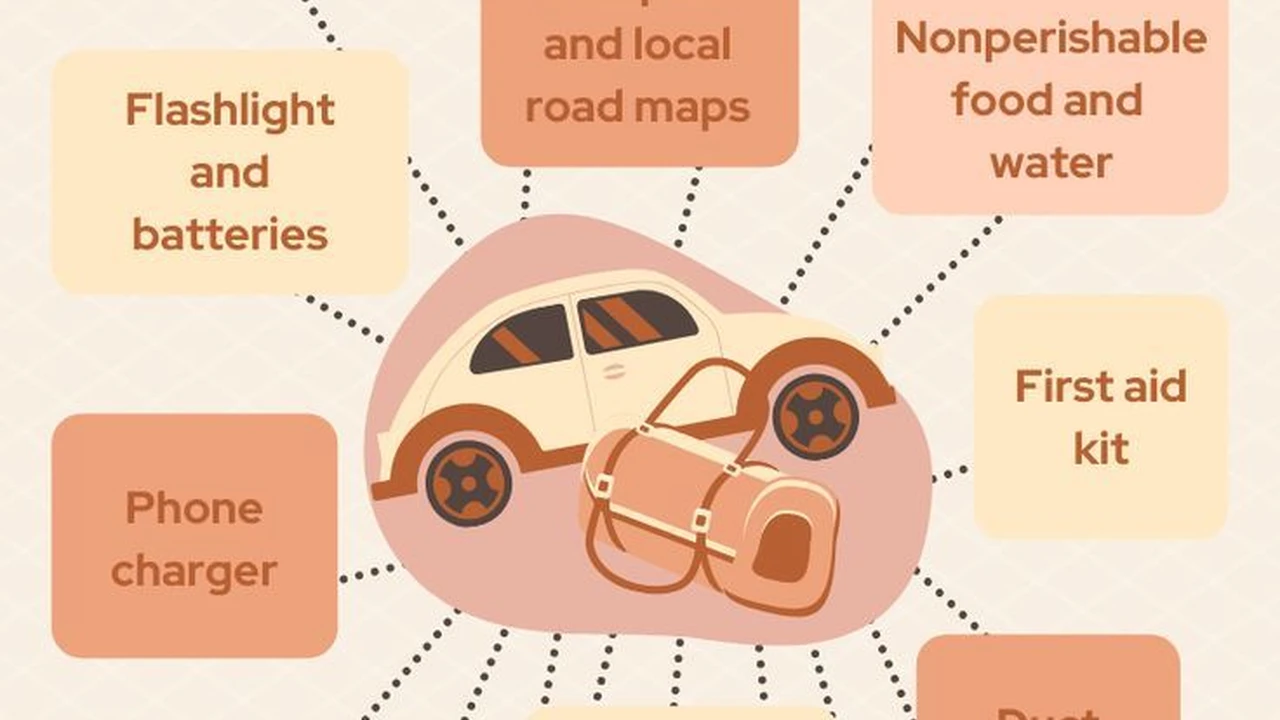
So, what exactly should be in this magical emergency kit? Here's a rundown of the absolute necessities:
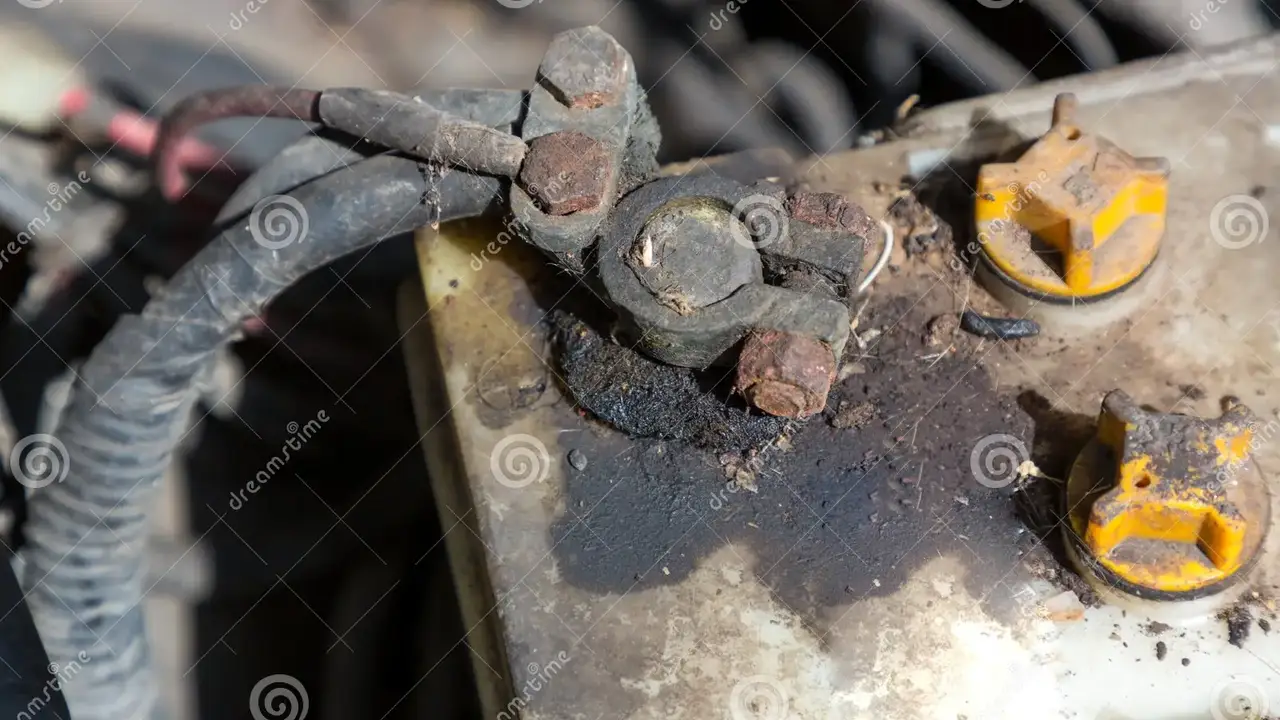
- Jumper Cables: Dead battery? These are your lifeline. Make sure they're heavy-duty enough for your car. The thicker the cable, the better.
- First-Aid Kit: Bandages, antiseptic wipes, pain relievers, gauze, medical tape – the basics. Consider adding any personal medications you might need.
- Multi-Tool or Knife: Leatherman, Swiss Army Knife, or even a sturdy pocketknife. Incredibly versatile for cutting, prying, and general problem-solving.
- Flashlight: A good, bright flashlight is crucial, especially at night. Consider a hand-crank or solar-powered option so you don't have to worry about batteries.
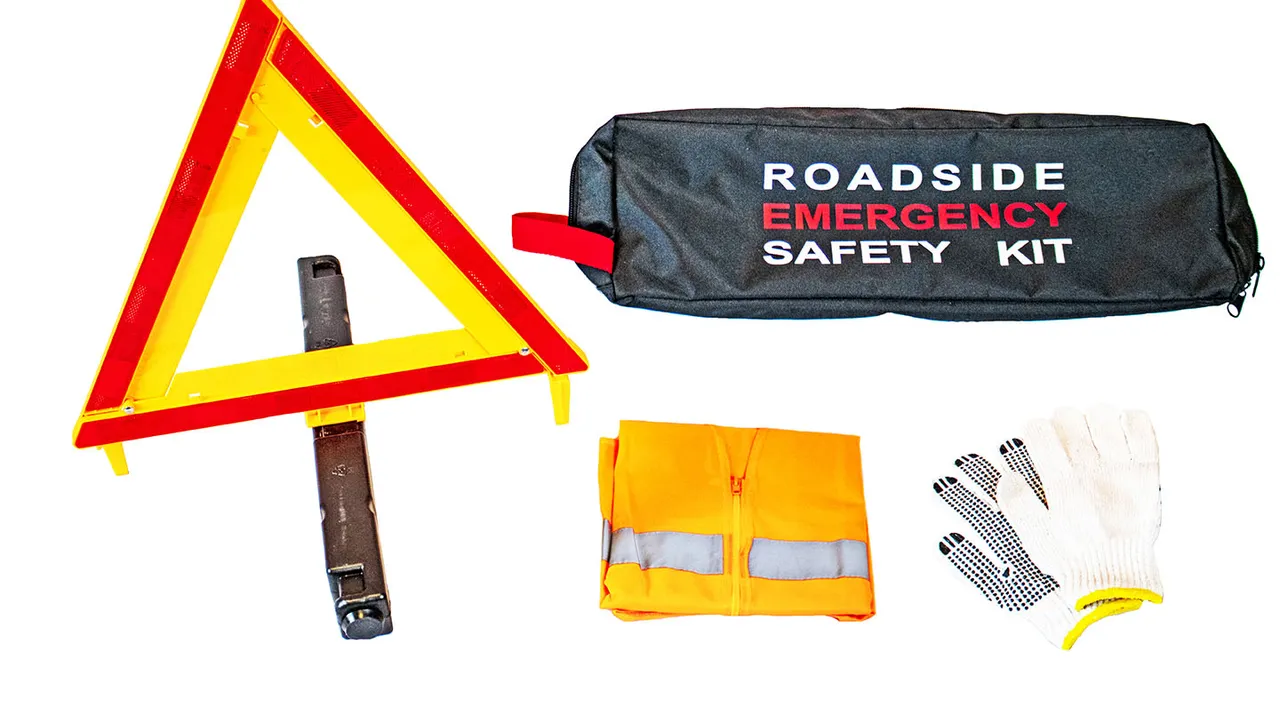
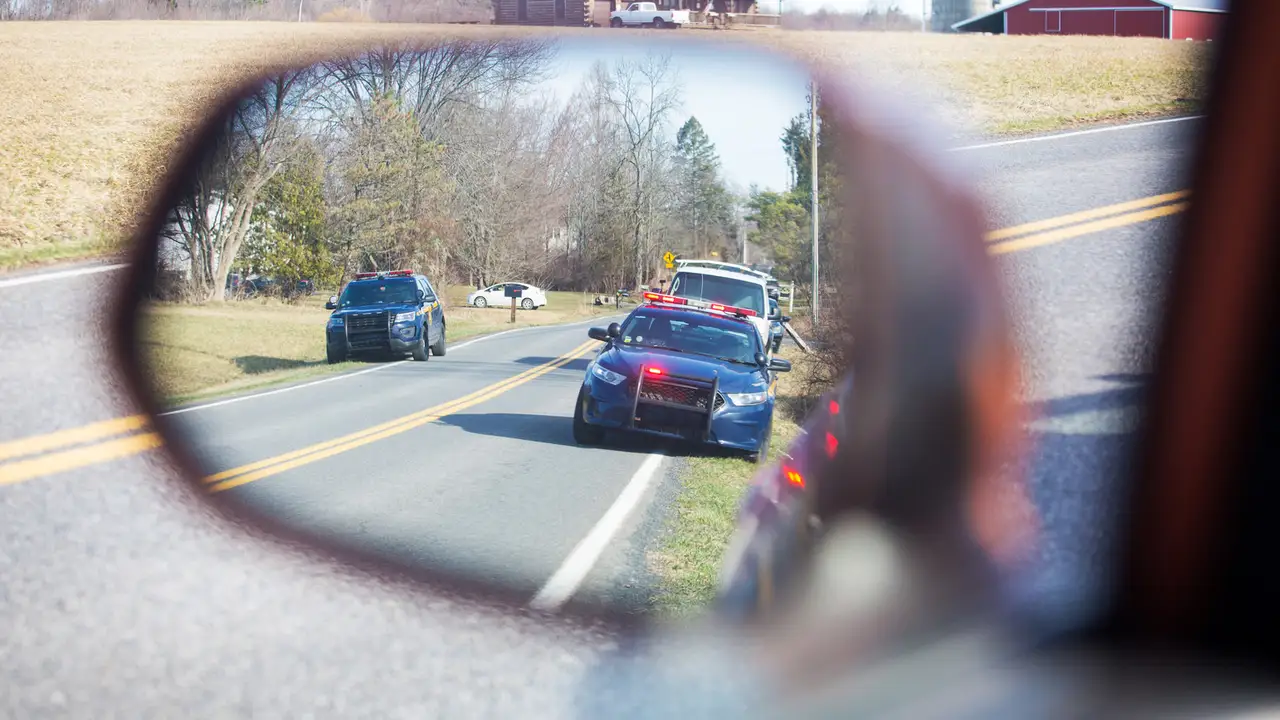
- Warning Triangles or Flares: These alert other drivers to your presence, preventing further accidents. Reflective triangles are reusable and generally safer than flares.
- Tire Inflator: Small 12V tire inflators are a lifesaver if you have a slow leak. They plug into your car cigarette lighter.
- Duct Tape: The ultimate fix-all. Seriously, duct tape can solve almost any problem temporarily.
- Gloves: Work gloves to protect your hands while changing a tire or working under the hood.
- Blanket or Sleeping Bag: For warmth if you're stranded in cold weather. A mylar emergency blanket is a good space-saving option.
- Water and Non-Perishable Food: Energy bars, granola bars, dried fruit, nuts – anything that won't spoil easily. At least a few days' worth.
- Phone Charger: A car charger for your phone is essential for calling for help. Consider a portable power bank as a backup.
- Whistle: For signaling for help if you're out of sight.
- Rain Poncho: To stay dry while working outside in the rain.
- Basic Tool Kit: Wrench, pliers, screwdriver, socket set. Just the basics to handle minor repairs.
- Seatbelt Cutter/Window Breaker: For use in case of an accident where you need to escape your vehicle.
Choosing the Right Container: Car Emergency Kit Storage Solutions
Okay, you've got all the gear. Now, where do you put it all? You need a container that's durable, organized, and easy to access. Here are a few options:
- Plastic Storage Bin: A simple, inexpensive option. Choose one that's sturdy and has a secure lid. You can find these at any hardware store or big box store.
- Tool Bag: A more organized option with pockets and compartments. Ideal for keeping tools and smaller items separate.
- Backpack: A good option if you might need to carry the kit away from your car, for example, if you have to walk for help.
- Pre-Made Emergency Kit Bag: Many companies sell pre-made emergency kits in specialized bags. These often have reflective strips and are designed for easy access.
Optimal Car Emergency Kit Placement: Accessibility is Key
Where you store your emergency kit is just as important as what's in it. You need to be able to access it quickly and easily, even in an emergency. Here are some good locations:
- Trunk: The most common location. Secure the kit so it doesn't slide around.
- Under the Seat: A good option for smaller kits or individual items like a flashlight and first-aid kit.
- Cargo Area (SUV/Truck): Similar to the trunk, but with more space.
- Glove Compartment: Suitable for smaller items like a flashlight, phone charger, and first-aid kit.
Important Note: Avoid storing your emergency kit in the passenger seat. It can become a projectile in an accident.
Protecting Your Emergency Kit: Temperature and Weather Considerations
Extreme temperatures can damage certain items in your emergency kit. Here's how to protect them:
- Heat: Avoid storing food and medications in direct sunlight. High temperatures can degrade their effectiveness.
- Cold: Batteries can lose their charge in cold weather. Keep spare batteries in a warm place, like inside a Ziploc bag inside your glove compartment.
- Moisture: Keep everything dry to prevent rust and corrosion. Use waterproof containers or Ziploc bags to protect sensitive items.
Specific Product Recommendations for Your Car Emergency Kit
Alright, let's get down to brass tacks. Here are some specific product recommendations, along with their pros, cons, use cases, and approximate prices. Keep in mind prices can fluctuate.
Jumper Cables: NOCO Boost Plus GB40 1000 Amp 12-Volt UltraSafe Lithium Jump Starter Box
Meta Description: A powerful and safe jump starter for your car.
- Description: Not just jumper cables, but a portable jump starter. It's a lithium battery pack that can jump-start your car multiple times on a single charge.
- Pros: Extremely convenient, safe (spark-proof technology), can also charge phones and other devices.
- Cons: More expensive than traditional jumper cables. Requires periodic recharging.
- Use Case: Anyone who wants a reliable and easy-to-use jump-starting solution. Especially useful for people who frequently experience dead batteries or live in cold climates.
- Price: Around $100.
First-Aid Kit: First Aid Only All-Purpose First Aid Kit, 299 Pieces
Meta Description: A comprehensive first-aid kit for various emergencies.
- Description: A well-stocked first-aid kit with a wide variety of supplies.
- Pros: Comprehensive, organized, and relatively inexpensive.
- Cons: May contain items you don't need. Consider adding specific medications or supplies based on your individual needs.
- Use Case: General first aid for cuts, scrapes, burns, and other minor injuries.
- Price: Around $20.
Multi-Tool: Leatherman Wave Plus Multitool
Meta Description: A versatile and durable multi-tool for various tasks.
- Description: A high-quality multi-tool with a variety of useful tools, including pliers, knife, screwdrivers, and more.
- Pros: Extremely versatile, durable, and well-made.
- Cons: Relatively expensive.
- Use Case: A wide range of tasks, from cutting rope to tightening screws.
- Price: Around $120.
Flashlight: Anker Bolder LC40 LED Flashlight
Meta Description: A bright and reliable LED flashlight.
- Description: A compact and powerful LED flashlight with adjustable brightness and zoom.
- Pros: Bright, durable, and relatively inexpensive.
- Cons: Requires batteries.
- Use Case: General illumination, signaling for help.
- Price: Around $15.
Warning Triangles: EPAuto Car Emergency Breakdown Warning Triangle
Meta Description: Highly visible warning triangles for roadside safety.
- Description: Reflective warning triangles that can be placed around your vehicle to alert other drivers.
- Pros: Reusable, highly visible, and easy to set up.
- Cons: Take up more space than flares.
- Use Case: Alerting other drivers to your presence on the side of the road.
- Price: Around $20 for a set of three.
Tire Inflator: EPAuto 12V Portable Air Compressor Pump
Meta Description: A portable air compressor for inflating tires.
- Description: Small 12V portable tire inflator that plugs into your car cigarette lighter.
- Pros: Easy to use and convenient for topping off tires.
- Cons: Can be slow to inflate a completely flat tire.
- Use Case: Inflating tires, checking tire pressure.
- Price: Around $30.
Emergency Kit Product Comparison: Making the Right Choices
Let's compare a few of these products head-to-head to help you make the best choice for your needs.
Jumper Cables vs. Jump Starter
Jumper Cables: Cheaper, require another car to be present. Reliable if you have someone to help. No charging required.
Jump Starter: More expensive, self-contained. Can be used even if you're alone. Requires periodic charging.
Verdict: If you often travel alone or want a more convenient solution, a jump starter is worth the investment. If you're on a tight budget and usually travel with others, jumper cables are a good option.
First-Aid Kit: Pre-Made vs. DIY
Pre-Made: Convenient, often cheaper than buying individual items. May contain items you don't need.
DIY: More customizable, you can choose exactly what you need. Can be more expensive and time-consuming.
Verdict: A pre-made kit is a good starting point. Supplement it with any specific medications or supplies you need.
Flashlight: Battery-Powered vs. Hand-Crank/Solar
Battery-Powered: Brighter, more reliable. Requires batteries.
Hand-Crank/Solar: No batteries required, always ready to go. May be less bright.
Verdict: A battery-powered flashlight is a good primary option. A hand-crank or solar flashlight is a good backup.
Maintaining Your Car Emergency Kit: Regular Check-Ups
Don't just throw your emergency kit in your car and forget about it. It's important to maintain it regularly to ensure everything is in good working order. Here's what to do:
- Check Expiration Dates: Replace expired food, medications, and batteries.
- Inspect Equipment: Make sure your jumper cables, flashlight, and other tools are in good working order.
- Restock Supplies: Replace any items you've used.
- Reorganize: Make sure everything is still organized and easy to access.
Aim to check your emergency kit at least twice a year, ideally in the spring and fall.
Beyond the Basics: Optional Additions to Your Car Emergency Kit
Once you've got the essentials covered, consider adding these optional items to your emergency kit:
- Work Gloves: Protect your hands.
- Shovel: Small folding shovel for digging out of snow or mud.
- Tow Strap: For getting pulled out of a ditch.
- Cat Litter/Sand: For traction on ice or snow.
- Waterproof Matches/Lighter: For starting a fire.
- Compass: For navigation.
- Road Atlas: For navigation if you don't have cell service.
- Cash: For situations where credit cards aren't accepted.
By following these tips, you can create a comprehensive and well-organized emergency kit that will help you stay safe and prepared on the road. Drive safe!
:max_bytes(150000):strip_icc()/277019-baked-pork-chops-with-cream-of-mushroom-soup-DDMFS-beauty-4x3-BG-7505-5762b731cf30447d9cbbbbbf387beafa.jpg)