How to Inspect Your Car's Belts and Hoses: Preventing Breakdowns
Why Car Belts and Hoses Matter Understanding the Importance
Alright, let's talk belts and hoses. Seriously, these rubbery lifelines are the unsung heroes under your hood. They're responsible for keeping your engine running smoothly, and neglecting them is like ignoring a ticking time bomb. A broken belt or a burst hose can leave you stranded on the side of the road, potentially causing serious engine damage. We're talking overheating, loss of power steering, and a whole lot of frustration. So, taking a few minutes to inspect them regularly can save you a ton of headaches and money in the long run. Think of it as preventative medicine for your car.
Types of Car Belts Identifying the Different Kinds
Okay, so what belts are we talking about? There are a few key players in the belt game:
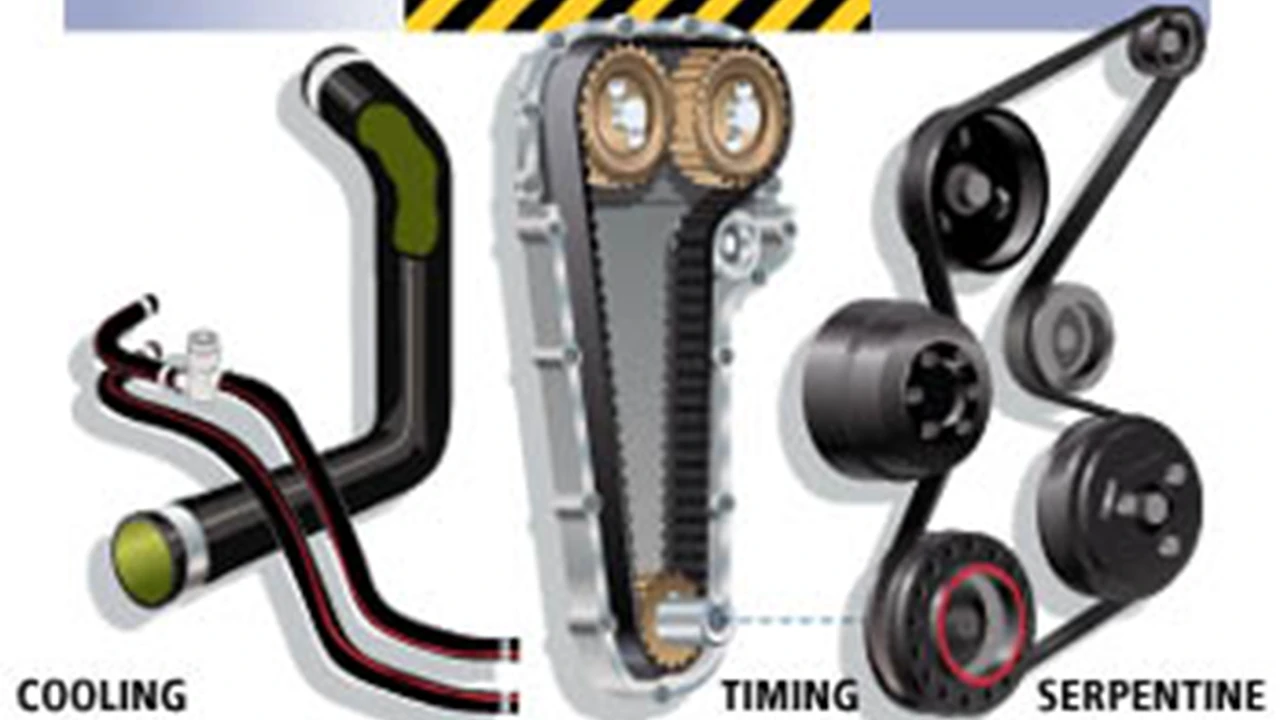
- Serpentine Belt: This is the big one. It's a long, winding belt that snakes around various pulleys, powering things like your alternator (which charges your battery), power steering pump, air conditioning compressor, and sometimes even your water pump. If this belt goes, you're in trouble.
- V-Belts: Older cars might still use V-belts, which are smaller and typically power individual components. You might find them running the alternator or power steering pump.
- Timing Belt: (Sometimes a chain) This is the critical one! The timing belt synchronizes the rotation of the crankshaft and camshaft, ensuring your engine's valves open and close at the right time. If this belt breaks, it can cause catastrophic engine damage, especially on interference engines (where the valves and pistons can collide). Check your owner's manual to see if you have a timing belt or a timing chain. Chains are generally more durable, but belts need replacement at specific intervals.
Types of Car Hoses Recognizing the Different Kinds
Hoses are just as important as belts. They carry vital fluids throughout your engine. Here are the main types:
- Radiator Hoses: These are the big, thick hoses that connect the engine to the radiator. They carry coolant (antifreeze) to regulate engine temperature.
- Heater Hoses: These smaller hoses carry coolant to the heater core, which provides heat for your car's interior.
- Brake Hoses: These hoses carry brake fluid to the brake calipers, allowing you to stop your car. These are often steel-braided for strength and durability.
- Fuel Hoses: These hoses carry fuel from the fuel tank to the engine.
- Power Steering Hoses: These hoses carry power steering fluid to the power steering system.
- Vacuum Hoses: These small hoses carry vacuum to various engine components.
How to Inspect Your Car Belts A Step by Step Guide
Alright, let's get our hands dirty (figuratively, for now!). Here's how to inspect your belts:
- Safety First: Make sure your engine is off and cool. Seriously, don't try this with a hot engine. Disconnect the negative battery terminal for added safety.
- Visual Inspection: Look closely at the belts. Are there any cracks, fraying, glazing (a shiny, hard surface), or missing chunks? These are all signs of wear and tear.
- Check for Tension: Press down on the longest span of the serpentine belt between two pulleys. It should have some give, but not too much. A good rule of thumb is about ½ inch of deflection. If it's excessively loose, the belt might be stretched or the tensioner might be failing.
- Listen for Squealing: A squealing belt, especially when you first start the car or when you turn on the AC, is a telltale sign of a loose or worn belt.
- Inspect the Timing Belt (If Visible): This one is often hidden behind a cover, so you might not be able to see much. However, if you can see any part of it, look for the same signs of wear as the serpentine belt. If you suspect a problem with your timing belt, take it to a mechanic immediately.
How to Inspect Your Car Hoses A Detailed Walkthrough
Inspecting your hoses is just as important. Here's what to look for:
- Safety First (Again!): Engine off and cool!
- Visual Inspection: Look for cracks, bulges, soft spots, or leaks. Pay close attention to the areas near the hose clamps, as these are common failure points.
- Squeeze the Hoses: Gently squeeze the hoses. They should feel firm and resilient. If they feel soft, mushy, or hard and brittle, they're probably on their way out.
- Check for Leaks: Look for signs of coolant leaks (usually a greenish or orange stain) around the hoses, radiator, and engine.
- Smell for Coolant: A sweet smell under the hood can indicate a coolant leak.
Recognizing Belt and Hose Wear and Tear Warning Signs and Symptoms
Knowing the signs of wear and tear is crucial for preventing breakdowns. Here's a breakdown:
- Belt Squealing: As mentioned earlier, this is a classic sign of a loose or worn belt.
- Cracked or Frayed Belts: These are obvious signs that the belt is deteriorating.
- Bulging or Soft Hoses: These indicate internal damage and potential for bursting.
- Leaking Coolant: This is a serious problem that can lead to overheating.
- Overheating Engine: A broken belt or a burst hose can cause your engine to overheat quickly.
- Loss of Power Steering: If the serpentine belt that powers your power steering pump breaks, you'll lose power steering.
- Battery Not Charging: If the serpentine belt that powers your alternator breaks, your battery won't charge.
Preventing Breakdowns Proactive Maintenance Tips
Here's how to keep your belts and hoses in good shape:
- Regular Inspections: Make it a habit to inspect your belts and hoses every time you change your oil (or at least every few months).
- Follow Your Owner's Manual: Your owner's manual will specify the recommended replacement intervals for your belts and hoses. Stick to these intervals, even if things look okay.
- Use Quality Parts: Don't cheap out on belts and hoses. Buy reputable brands that are designed to last.
- Replace Hoses and Clamps Together: When you replace a hose, always replace the hose clamps as well. Old clamps can lose their tension and cause leaks.
- Keep Your Engine Clean: Oil and grime can damage belts and hoses. Keep your engine bay clean to prolong their lifespan.
Product Recommendations Best Belts and Hoses on the Market
Okay, let's talk brands. When it comes to belts and hoses, you generally get what you pay for. Here are a few reputable brands to consider:
- Gates: Gates is a well-known and respected brand that makes high-quality belts and hoses for a wide range of vehicles. They offer both standard and premium options.
- Goodyear: Goodyear is another trusted brand that's been around for ages. They make durable and reliable belts and hoses.
- Dayco: Dayco is a popular choice for both OEM and aftermarket belts and hoses. They offer a good balance of quality and price.
- ACDelco: If you have a GM vehicle, ACDelco is a good option for OEM replacement parts.
Specific Product Examples and Usage Scenarios
Let's get into some specific product examples:
- Gates Serpentine Belt K060992: This is a popular serpentine belt that fits many different vehicles. It's made from high-quality materials and is designed to withstand the rigors of daily driving. Usage Scenario: Replacing a worn serpentine belt on a Honda Accord.
- Goodyear Gatorback Serpentine Belt: This belt is known for its exceptional grip and durability. It's a good choice for vehicles that are subjected to heavy use or extreme temperatures. Usage Scenario: Replacing a worn serpentine belt on a truck that's used for towing.
- Dayco Radiator Hose 71073: This is a high-quality radiator hose that's designed to withstand high temperatures and pressures. Usage Scenario: Replacing a leaking radiator hose on a Ford F-150.
- ACDelco Upper Radiator Hose: If you own a GM vehicle, this is a reliable choice for replacing your upper radiator hose. Usage Scenario: Replacing a radiator hose on a Chevrolet Tahoe.
Comparing Different Belt and Hose Products Factors to Consider
When choosing belts and hoses, consider these factors:
- Material: Look for belts and hoses that are made from high-quality materials that are resistant to heat, oil, and chemicals. EPDM rubber is a common choice for hoses.
- Construction: Consider the construction of the belt or hose. For example, reinforced hoses are more durable and less likely to burst.
- Fit: Make sure the belt or hose is the correct size and shape for your vehicle. Check your owner's manual or use an online parts catalog to find the correct part number.
- Price: Belts and hoses can range in price from a few dollars to several hundred dollars, depending on the brand and quality. Consider your budget and needs when making your choice.
- Warranty: Check the warranty offered by the manufacturer. A longer warranty indicates that the manufacturer has confidence in the quality of their product.
Pricing Information and Where to Buy
Here's a general idea of pricing (these are estimates and can vary depending on the retailer and your location):
- Serpentine Belts: $20 - $50
- V-Belts: $10 - $25
- Radiator Hoses: $15 - $40
- Heater Hoses: $10 - $30
You can buy belts and hoses at most auto parts stores, such as:
- AutoZone
- Advance Auto Parts
- O'Reilly Auto Parts
- NAPA Auto Parts
- Amazon
When buying online, make sure you're purchasing from a reputable seller and that the part is guaranteed to fit your vehicle.
Tips for Replacing Belts and Hoses DIY vs Professional Installation
Replacing belts and hoses can be a DIY project, but it depends on your skill level and the specific vehicle. Here are a few things to consider:
- Difficulty: Some belts and hoses are easy to replace, while others are more challenging. For example, replacing a serpentine belt on a simple engine layout is usually straightforward. However, replacing a timing belt or a hose that's buried deep in the engine bay can be more difficult.
- Tools: You'll need the right tools for the job. This might include wrenches, sockets, screwdrivers, hose clamp pliers, and a belt tensioner tool.
- Experience: If you're not comfortable working on cars, it's best to leave the job to a professional.
- Time: Replacing belts and hoses can take anywhere from 30 minutes to several hours, depending on the complexity of the job.
If you're not sure whether you can handle the job yourself, it's always best to err on the side of caution and take your car to a mechanic.
Troubleshooting Common Belt and Hose Problems
Here are a few common belt and hose problems and how to troubleshoot them:
- Squealing Belt: This is usually caused by a loose or worn belt. Try tightening the belt tensioner or replacing the belt.
- Overheating Engine: This can be caused by a burst hose, a leaking radiator, or a faulty water pump. Check the coolant level and look for leaks.
- Loss of Power Steering: This is usually caused by a broken serpentine belt. Replace the belt.
- Battery Not Charging: This can be caused by a broken serpentine belt or a faulty alternator. Replace the belt or have the alternator tested.
Extending the Life of Your Belts and Hoses Simple Strategies
Here are a few simple strategies for extending the life of your belts and hoses:
- Keep Your Engine Clean: Oil and grime can damage belts and hoses. Keep your engine bay clean to prolong their lifespan.
- Avoid Extreme Temperatures: Extreme temperatures can shorten the lifespan of belts and hoses. Try to park your car in a shaded area during hot weather.
- Drive Smoothly: Aggressive driving can put extra stress on belts and hoses. Drive smoothly and avoid sudden acceleration and braking.
- Check Your Coolant Level Regularly: Low coolant levels can cause your engine to overheat, which can damage hoses. Check your coolant level regularly and add coolant as needed.
:max_bytes(150000):strip_icc()/277019-baked-pork-chops-with-cream-of-mushroom-soup-DDMFS-beauty-4x3-BG-7505-5762b731cf30447d9cbbbbbf387beafa.jpg)