The Benefits of Using a Car Cover: Protecting Your Car's Paint
Understanding the Importance of Car Paint Protection and Car Covers
Alright, let's talk car paint. It's not just about looks, although a shiny ride definitely turns heads. Your car's paint job is its first line of defense against, well, everything. Sun, rain, snow, bird droppings (ugh, the worst!), tree sap, dust, and even just plain old scratches from everyday use. All these things can wreak havoc on your paint, leading to fading, oxidation, rust, and a general decrease in your car's value. That's where a good car cover comes in. Think of it as sunscreen for your car. It's an investment that protects your investment, keeping your car looking its best for years to come.
Types of Car Covers Choosing the Right Material for Your Vehicle and Climate
Not all car covers are created equal. You've got a whole range of materials to choose from, each with its own strengths and weaknesses. Let's break down the most common types:
- Waterproof Car Covers: These are your heavy-duty protectors. Ideal for areas with frequent rain or snow, they'll keep your car completely dry. However, breathability can be an issue, potentially trapping moisture underneath and leading to mildew.
- Water-Resistant Car Covers: A good compromise. They'll repel light rain and splashes, while still allowing some breathability. Perfect for moderate climates.
- Breathable Car Covers: These prioritize airflow, preventing moisture buildup. Great for hot, dry climates where the main concern is sun and dust.
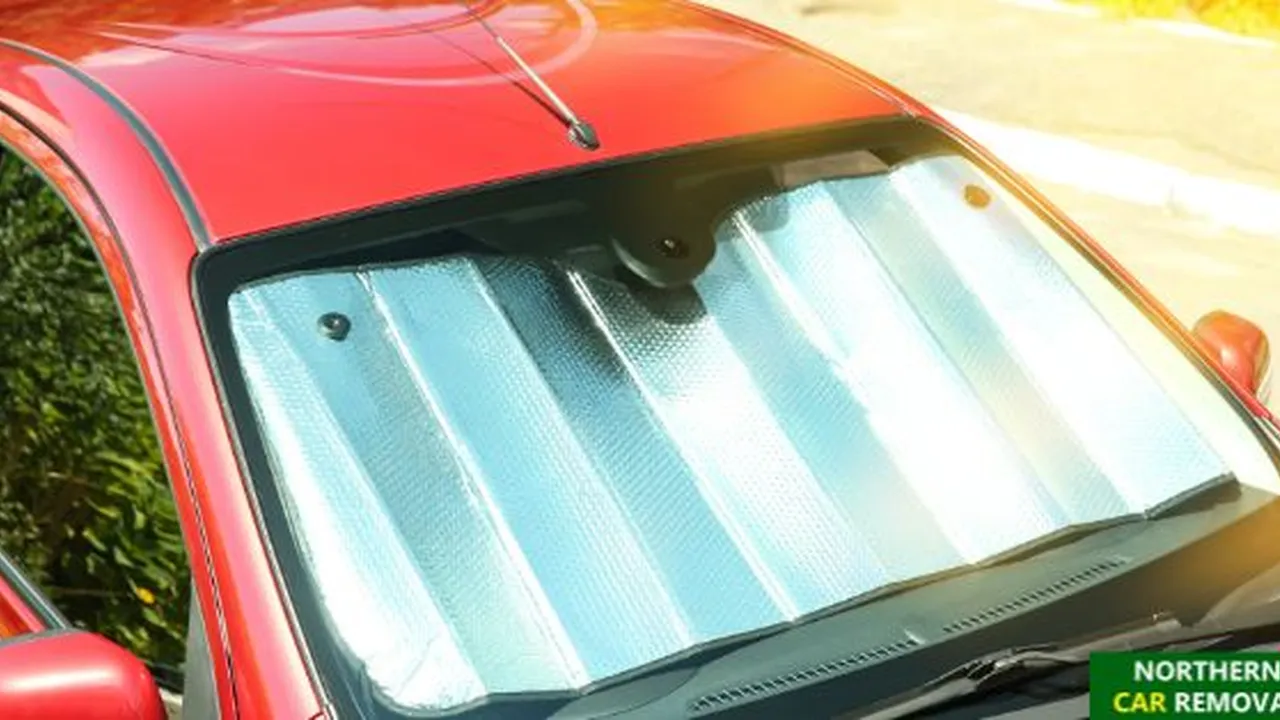
- UV-Resistant Car Covers: Specifically designed to block harmful UV rays, preventing fading and oxidation. Essential if you park your car outdoors in sunny locations.
- All-Weather Car Covers: These are designed to handle a variety of conditions, offering a combination of waterproofness, breathability, and UV protection. They're a good all-around option.
- Indoor Car Covers: Usually made of soft, non-abrasive materials like flannel or cotton, these are designed to protect your car from dust and scratches while it's stored indoors.
Consider your local climate and your car's specific needs when choosing a material. If you live in Seattle, a waterproof cover is a no-brainer. If you're in Arizona, UV protection is key.
The Benefits of Using a Car Cover Protecting Against Environmental Damage and More
Okay, so we've talked about the types of covers, but what are the *actual* benefits? Besides just keeping your car looking pretty, a car cover offers a whole host of advantages:
- Protection from the Sun: UV rays are brutal on car paint. They cause fading, cracking, and oxidation, making your car look older than it is. A UV-resistant car cover blocks these rays, keeping your paint looking vibrant.
- Protection from Rain and Snow: Water can cause rust and corrosion, especially if it gets into small scratches or chips in your paint. A waterproof or water-resistant cover keeps your car dry.
- Protection from Dust and Dirt: Dust and dirt can accumulate on your car's surface, scratching the paint when you wipe it off. A car cover keeps your car clean and dust-free.
- Protection from Bird Droppings and Tree Sap: These are acidic and can damage your paint if left untreated. A car cover provides a barrier.
- Protection from Scratches and Dents: A car cover can provide a cushion against minor scratches and dents caused by accidental bumps or scrapes.
- Theft Deterrent: A car cover can make your car less attractive to thieves, as it conceals what's inside.
- Preserving Resale Value: By protecting your car's paint and finish, a car cover helps maintain its resale value.
Choosing the Right Fit and Size for Your Car Cover Ensuring Optimal Protection
Fit is crucial! A loose-fitting cover will flap in the wind, potentially scratching your paint. A too-tight cover could stretch and tear. You need a cover that's snug but not constricting.
Most manufacturers offer covers specifically designed for different makes and models of cars. Look for a cover that's advertised as being a "custom fit" or "semi-custom fit" for your vehicle. If you can't find a perfect match, measure your car's length, width, and height and choose a cover that's slightly larger. It's better to have a little extra fabric than not enough.
Installing and Maintaining Your Car Cover Tips for Longevity and Effectiveness
Putting on a car cover is pretty straightforward, but here are a few tips to make it easier and ensure proper protection:
- Clean Your Car First: Before putting on the cover, make sure your car is clean and dry. Any dirt or debris trapped underneath could scratch the paint.
- Fold the Cover Properly: When taking the cover off, fold it neatly to avoid dragging it on the ground and picking up dirt.
- Secure the Cover: Most covers come with straps or elastic hems to secure them to the car. Use these to prevent the cover from blowing away in the wind.
- Wash the Cover Regularly: Just like your car, your car cover needs to be cleaned periodically. Follow the manufacturer's instructions for washing.
- Store the Cover Properly: When not in use, store the cover in a dry, clean place.
Recommended Car Cover Products Reviews and Price Comparisons
Okay, let's get down to specifics. Here are a few car covers that I recommend, based on different needs and budgets:
Covercraft WeatherShield HP Car Cover Best All-Weather Protection
Description: This is a premium all-weather car cover made from a breathable, water-resistant fabric. It offers excellent UV protection and is custom-fitted for most makes and models. It's a bit pricey, but it's worth the investment if you want the best possible protection.
Pros: Excellent all-weather protection, breathable fabric, custom fit, durable.
Cons: Expensive.
Best For: People who live in areas with harsh weather conditions and want the best possible protection for their car.
Price Range: $300 - $500 (depending on the car model)
Leader Accessories Waterproof Car Cover Great Value for the Money
Description: This is a more affordable waterproof car cover that offers good protection from rain, snow, and sun. It's not as breathable as the Covercraft WeatherShield HP, but it's a good option if you're on a budget.
Pros: Affordable, waterproof, good sun protection.
Cons: Not as breathable as more expensive covers.
Best For: People who live in areas with frequent rain or snow and want a budget-friendly option.
Price Range: $50 - $100
Budge Lite Car Cover Basic Protection at a Low Price
Description: This is a very basic, lightweight car cover that's designed for indoor use or light outdoor protection. It's not waterproof or UV-resistant, but it will protect your car from dust and scratches.
Pros: Very affordable, lightweight, easy to install.
Cons: Not waterproof or UV-resistant, not suitable for harsh weather conditions.
Best For: People who need basic protection for their car while it's stored indoors or in a garage.
Price Range: $20 - $50
Comparison Table of Car Covers
| Car Cover | Waterproof | UV Protection | Breathable | Price Range | Best For |
|---|---|---|---|---|---|
| Covercraft WeatherShield HP | Yes | Excellent | Yes | $300 - $500 | Harsh Weather Conditions |
| Leader Accessories Waterproof | Yes | Good | No (Less Breathable) | $50 - $100 | Budget-Friendly Waterproofing |
| Budge Lite | No | No | Yes | $20 - $50 | Indoor Storage |
Car Cover Usage Scenarios When and Where to Use a Car Cover for Maximum Benefit
So, where and when should you actually *use* a car cover? Here are a few common scenarios:
- Outdoor Parking: If you regularly park your car outdoors, a car cover is a must-have. It will protect your car from the elements, including sun, rain, snow, and dust.
- Long-Term Storage: If you're storing your car for an extended period of time, a car cover will keep it clean and protected from dust, dirt, and moisture.
- Under Trees: Parking under trees can be a nightmare. Bird droppings, tree sap, and falling leaves can all damage your car's paint. A car cover will provide a barrier.
- Construction Zones: Construction zones are notorious for kicking up dust and debris. A car cover will keep your car clean and protected from scratches.
- Near the Ocean: Salt air can cause rust and corrosion. A car cover will help protect your car from the damaging effects of salt.
Understanding Car Cover Pricing Factors Influencing the Cost of Car Covers
Why do car covers range so wildly in price? Several factors contribute to the cost:
- Material: As we discussed earlier, different materials offer different levels of protection and breathability. Higher-quality materials like WeatherShield HP are more expensive.
- Fit: Custom-fitted covers are generally more expensive than universal-fit covers. This is because they require more precise manufacturing.
- Features: Some covers come with extra features like mirror pockets, antenna patches, and storage bags. These features can add to the cost.
- Brand: Well-known brands often charge a premium for their products due to their reputation for quality and durability.
The Long-Term Cost Savings of Using a Car Cover Preventing Expensive Repairs and Maintaining Value
While a car cover might seem like an extra expense, it can actually save you money in the long run. By protecting your car's paint and finish, a car cover can help prevent expensive repairs and maintain its resale value. Think about it: a new paint job can cost thousands of dollars. A good car cover costs a fraction of that.
Furthermore, a well-maintained car will hold its value better than a neglected one. When it comes time to sell or trade in your car, you'll be glad you invested in a car cover.
Addressing Common Car Cover Concerns and Myths Debunking Misconceptions
There are a few common concerns and myths surrounding car covers that I want to address:
- Myth: Car covers can scratch your paint. This is only true if you put a cover on a dirty car or if the cover is too loose and flaps in the wind. Always clean your car before putting on a cover and make sure the cover fits properly.
- Concern: Car covers are a hassle to put on and take off. It takes a few minutes, but it's worth the effort. Think of it as a quick and easy way to protect your investment.
- Myth: Car covers are only for expensive cars. Even if you have an older or less expensive car, a car cover can help protect it from the elements and keep it looking its best.
Maintaining Your Car's Paint Beyond Car Covers Additional Tips and Products
While a car cover is a great way to protect your car's paint, it's not the only thing you should do. Here are a few additional tips:
- Wash Your Car Regularly: Washing your car regularly removes dirt, dust, and other contaminants that can damage the paint.
- Wax Your Car: Waxing your car provides a protective layer that helps repel water and UV rays.
- Apply Paint Sealant: Paint sealant is a synthetic product that provides even longer-lasting protection than wax.
- Repair Scratches and Chips: Repairing scratches and chips as soon as possible prevents rust and further damage.
- Park in the Shade: Whenever possible, park your car in the shade to protect it from the sun.
By following these tips and using a car cover, you can keep your car's paint looking its best for years to come.
:max_bytes(150000):strip_icc()/277019-baked-pork-chops-with-cream-of-mushroom-soup-DDMFS-beauty-4x3-BG-7505-5762b731cf30447d9cbbbbbf387beafa.jpg)