The Benefits of Professional Car Detailing: Maintaining Value
Understanding the Importance of Car Detailing for Value Preservation
Alright, let's talk car detailing. I know, I know, it sounds like something only car enthusiasts geek out about, but hear me out. Professional car detailing isn't just about making your ride look shiny; it's a serious investment in preserving its value. Think of it like preventative healthcare for your car. You wouldn't skip your annual physical, would you? Same deal here. Detailing protects your car from the elements, prevents long-term damage, and keeps it looking its best, all of which translates to a higher resale value down the road. We're diving deep into why professional detailing is more than just a wash and wax; it's a smart financial move.
The Detrimental Effects of Neglecting Car Detailing and Regular Maintenance
Imagine leaving your car exposed to the sun, rain, and grime day after day. What happens? Paint fades, rust starts creeping in, and the interior becomes a breeding ground for dirt and bacteria. Neglecting detailing accelerates wear and tear, leading to costly repairs and a significantly lower resale value. Bird droppings, tree sap, and road salt are like kryptonite to your car's finish. They etch into the paint, causing permanent damage if left untreated. Plus, a dirty interior can harbor allergens and odors, making your driving experience less enjoyable. Think about it: would you rather spend a little now on detailing or a lot later on repairs and diminished value?
The Comprehensive Process of Professional Car Detailing Services Explained
So, what exactly goes into a professional detailing job? It's way more than just a quick wash. We're talking a multi-step process that includes:
- Exterior Wash and Decontamination: A thorough wash to remove surface dirt, followed by a clay bar treatment to eliminate embedded contaminants like industrial fallout and brake dust.
- Paint Correction: Polishing to remove swirl marks, scratches, and oxidation, restoring the paint's gloss and clarity.
- Waxing or Sealing: Applying a protective layer of wax or sealant to shield the paint from the elements and enhance its shine.
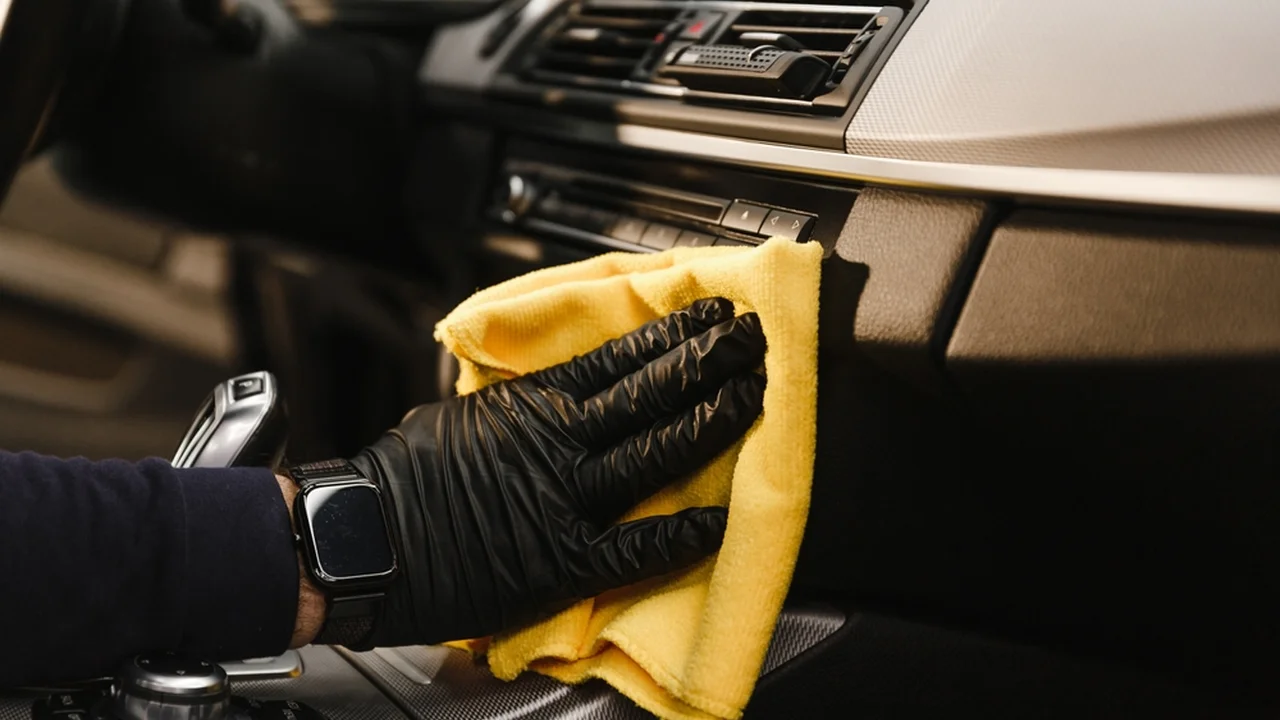
- Interior Detailing: Vacuuming, shampooing carpets and upholstery, cleaning and conditioning leather, and detailing all interior surfaces.
- Engine Bay Cleaning: Degreasing and cleaning the engine bay to remove dirt and grime.
- Wheel and Tire Detailing: Cleaning, polishing, and protecting wheels and tires.
Each step is performed with specialized tools and products to ensure optimal results and prevent damage to your car's surfaces. A detailer doesn't just clean; they restore and protect.
Choosing the Right Car Detailing Products and Equipment for Optimal Results
Okay, let's get into the nitty-gritty of products. Choosing the right ones can make or break your detailing efforts. Here are a few recommendations, along with their uses and price points:
- Meguiar's Gold Class Car Wash Shampoo & Conditioner: A classic choice for a reason. It's gentle, effective, and leaves a great shine. Use: Regular washing. Price: ~$15-20.
- Chemical Guys Clay Bar Kit: Essential for removing embedded contaminants. Use: Decontaminating paint before polishing or waxing. Price: ~$25-35.
- Griot's Garage BOSS G9 Random Orbital Polisher: A user-friendly polisher perfect for beginners. Use: Paint correction. Price: ~$300-400.
- Meguiar's Ultimate Compound: A versatile compound for removing swirl marks and scratches. Use: Paint correction. Price: ~$20-30.
- Collinite 845 Insulator Wax: A durable and long-lasting wax that provides excellent protection. Use: Protecting paint. Price: ~$25-35.
- 303 Aerospace Protectant: A versatile protectant for interior and exterior surfaces. Use: Protecting vinyl, rubber, and plastic. Price: ~$20-30.
- Leather Honey Leather Conditioner: A highly rated leather conditioner that keeps leather soft and supple. Use: Conditioning leather seats and surfaces. Price: ~$20-30.
When choosing products, consider your car's paint type, the severity of the imperfections, and your budget. Don't be afraid to experiment and find what works best for you. Also, watch out for overly aggressive compounds if you're just starting out. Less is more!
Comparing Different Car Detailing Products: Wax vs. Sealant vs. Ceramic Coating
Let's break down the differences between waxes, sealants, and ceramic coatings. They all protect your paint, but they do it in different ways and offer varying levels of durability:
- Wax: The classic choice. It provides a warm, glossy shine but doesn't last as long as sealants or ceramic coatings (typically 1-3 months). It's easy to apply and relatively inexpensive.
- Sealant: A synthetic alternative to wax. It offers better durability (typically 3-6 months) and protection against UV rays and environmental contaminants. It provides a slick, glossy finish.
- Ceramic Coating: The ultimate protection. It's a semi-permanent coating that bonds to your car's paint, providing years of protection (typically 2-5 years). It's highly resistant to scratches, chemicals, and UV rays. It also makes your car easier to clean. However, it's the most expensive option and requires professional application for best results.
Which one is right for you? It depends on your budget, desired level of protection, and how much time you're willing to invest in car care. If you're looking for maximum protection and long-term value, a ceramic coating is the way to go. If you're on a budget, wax or sealant are great options.
The Cost of Professional Car Detailing Services and Return on Investment (ROI)
Professional detailing costs vary depending on the size of your car, the level of service, and your location. A basic wash and wax might cost around $50-100, while a full detailing package can range from $200 to $500 or more. Ceramic coatings can cost upwards of $1000. But remember, you're not just paying for a clean car; you're investing in its long-term value.
How does this translate to ROI? A well-maintained car will fetch a higher resale value than a neglected one. Potential buyers will pay more for a car that looks clean and well-cared for. Plus, you'll save money on potential repairs by preventing damage caused by neglect. Think of it this way: every dollar you spend on detailing is an investment that pays off down the road.
DIY Car Detailing vs. Professional Detailing: Which is Right for You?
You might be thinking, "Can't I just detail my car myself?" Absolutely! DIY detailing can be a fun and rewarding experience. However, it requires time, effort, and the right tools and products. If you're short on time or lack the necessary skills, professional detailing is the better option. Detailers have the expertise, equipment, and experience to achieve optimal results and prevent damage to your car. Plus, they can handle complex tasks like paint correction and ceramic coating application.
If you're a beginner, start with the basics like washing, waxing, and interior cleaning. As you gain experience, you can tackle more advanced tasks like paint correction. Just be sure to do your research and use the right products and techniques.
The Long-Term Benefits of Regular Car Detailing and Preventative Maintenance
Regular detailing isn't just about aesthetics; it's about protecting your investment and ensuring your car lasts for years to come. By keeping your car clean and protected, you prevent damage from the elements, reduce wear and tear, and maintain its value. Think of it as preventative maintenance for your car. Just like you change your oil and rotate your tires, you should also detail your car regularly.
A well-maintained car is also a safer car. Clean windows and mirrors provide better visibility, and a clean interior reduces distractions. Plus, a clean car is a more enjoyable car to drive.
Specific Product Recommendations for Interior Car Detailing and Cleaning
Let's focus on the inside. The interior of your car takes a beating, from spills and stains to sun damage and wear and tear. Here are some product recommendations to keep it looking its best:
- Armor All Car Interior Cleaner: A versatile cleaner for vinyl, plastic, and rubber surfaces. Use: Cleaning dashboards, door panels, and consoles. Price: ~$5-10.
- Chemical Guys Fabric Clean Carpet & Upholstery Cleaner: A powerful cleaner for removing stains and odors from carpets and upholstery. Use: Cleaning seats, carpets, and floor mats. Price: ~$15-20.
- Meguiar's Leather Cleaner & Conditioner: A two-in-one product for cleaning and conditioning leather surfaces. Use: Cleaning and protecting leather seats and surfaces. Price: ~$15-20.
- Adam's Polishes Interior Detailer: A premium detailer that leaves a matte finish and provides UV protection. Use: Protecting and enhancing interior surfaces. Price: ~$20-30.
- Invisible Glass Premium Glass Cleaner: A streak-free glass cleaner that provides excellent visibility. Use: Cleaning windows and mirrors. Price: ~$5-10.
When cleaning your car's interior, start by vacuuming to remove loose dirt and debris. Then, use a cleaner to remove stains and grime. Finally, protect the surfaces with a protectant or conditioner.
Exterior Car Detailing Techniques: Washing, Polishing, and Protecting the Paint
Now, let's move on to the exterior. Washing, polishing, and protecting the paint are essential for maintaining its shine and preventing damage. Here are some tips and techniques:
- Washing: Use a pH-balanced car wash soap and a microfiber wash mitt. Wash your car in the shade to prevent the soap from drying too quickly. Rinse thoroughly and dry with a microfiber towel.
- Polishing: Use a dual-action polisher and a polishing compound to remove swirl marks and scratches. Work in small sections and use overlapping passes. Follow up with a finishing polish to enhance the shine.
- Protecting: Apply a wax, sealant, or ceramic coating to protect the paint from the elements. Follow the manufacturer's instructions carefully.
Remember to always use clean microfiber towels to prevent scratching the paint. And don't be afraid to experiment with different products and techniques to find what works best for you.
The Importance of Engine Bay Detailing: Cleaning and Protecting the Engine
The engine bay is often overlooked, but it's an important part of your car's overall appearance. A clean engine bay not only looks good but also helps to prevent corrosion and makes it easier to spot leaks.
To detail your engine bay, start by disconnecting the battery. Then, use a degreaser to remove dirt and grime. Rinse thoroughly with water, being careful not to spray directly into electrical components. Finally, protect the surfaces with a protectant or dressing.
Be sure to wear gloves and eye protection when working with degreasers and other chemicals.
Wheel and Tire Detailing: Enhancing the Appearance and Longevity of Your Wheels
Your wheels and tires are constantly exposed to dirt, brake dust, and road grime. Regular detailing can help to keep them looking their best and prevent damage.
To detail your wheels and tires, start by washing them with a wheel cleaner. Use a wheel brush to scrub away dirt and brake dust. Rinse thoroughly and dry with a microfiber towel. Then, apply a tire shine to enhance the appearance of your tires. Finally, protect the wheels with a wheel sealant.
Be sure to use a wheel cleaner that is safe for your wheel's finish. And don't forget to clean the lug nuts and valve stems.
Specific Product Recommendations for Wheel Cleaning and Tire Care
To keep your wheels and tires looking their best, here are some product recommendations:
- Meguiar's Hot Rims Wheel Cleaner: A powerful cleaner for removing brake dust and grime from wheels. Use: Cleaning wheels. Price: ~$10-15.
- Chemical Guys Diablo Wheel Gel: A pH-balanced wheel cleaner that is safe for all wheel finishes. Use: Cleaning wheels. Price: ~$15-20.
- Griot's Garage Wheel Brush: A durable brush for scrubbing away dirt and brake dust from wheels. Use: Cleaning wheels. Price: ~$10-15.
- Meguiar's Endurance Tire Gel: A long-lasting tire shine that provides a wet look. Use: Protecting and enhancing tires. Price: ~$10-15.
- 303 Aerospace Protectant: A versatile protectant that can be used on tires to protect them from UV rays and prevent cracking. Use: Protecting tires. Price: ~$20-30.
Addressing Common Car Detailing Problems: Swirl Marks, Scratches, and Water Spots
Even with regular detailing, your car's paint can still develop swirl marks, scratches, and water spots. Here's how to address these common problems:
- Swirl Marks: These are fine scratches in the paint that are caused by improper washing and drying techniques. They can be removed with polishing.
- Scratches: Deeper scratches can be more difficult to remove. They may require wet sanding or professional paint correction.
- Water Spots: These are mineral deposits that are left behind when water dries on the paint. They can be removed with a water spot remover or polishing.
The key to preventing these problems is to use proper washing and drying techniques and to protect your car's paint with a wax, sealant, or ceramic coating.
The Environmental Benefits of Eco-Friendly Car Detailing Practices
Car detailing can have a negative impact on the environment if not done properly. Here are some eco-friendly practices you can follow:
- Use biodegradable car wash soaps and cleaners.
- Conserve water by using a waterless car wash or washing your car at a commercial car wash that recycles water.
- Dispose of used detailing products properly.
- Use microfiber towels instead of paper towels.
By following these practices, you can help to protect the environment while keeping your car looking its best.
Maintaining Your Car's Value Through Regular Professional Car Detailing
So, there you have it. Professional car detailing is more than just a cosmetic treatment; it's an investment in your car's long-term value. By detailing your car regularly, you can protect it from the elements, prevent damage, and maintain its appearance. This translates to a higher resale value and a more enjoyable driving experience. Whether you choose to DIY or hire a professional, make car detailing a part of your regular maintenance routine.
:max_bytes(150000):strip_icc()/277019-baked-pork-chops-with-cream-of-mushroom-soup-DDMFS-beauty-4x3-BG-7505-5762b731cf30447d9cbbbbbf387beafa.jpg)