Replacing a Starter Motor on the Roadside: Starting Problems
Understanding Starter Motor Problems On The Roadside
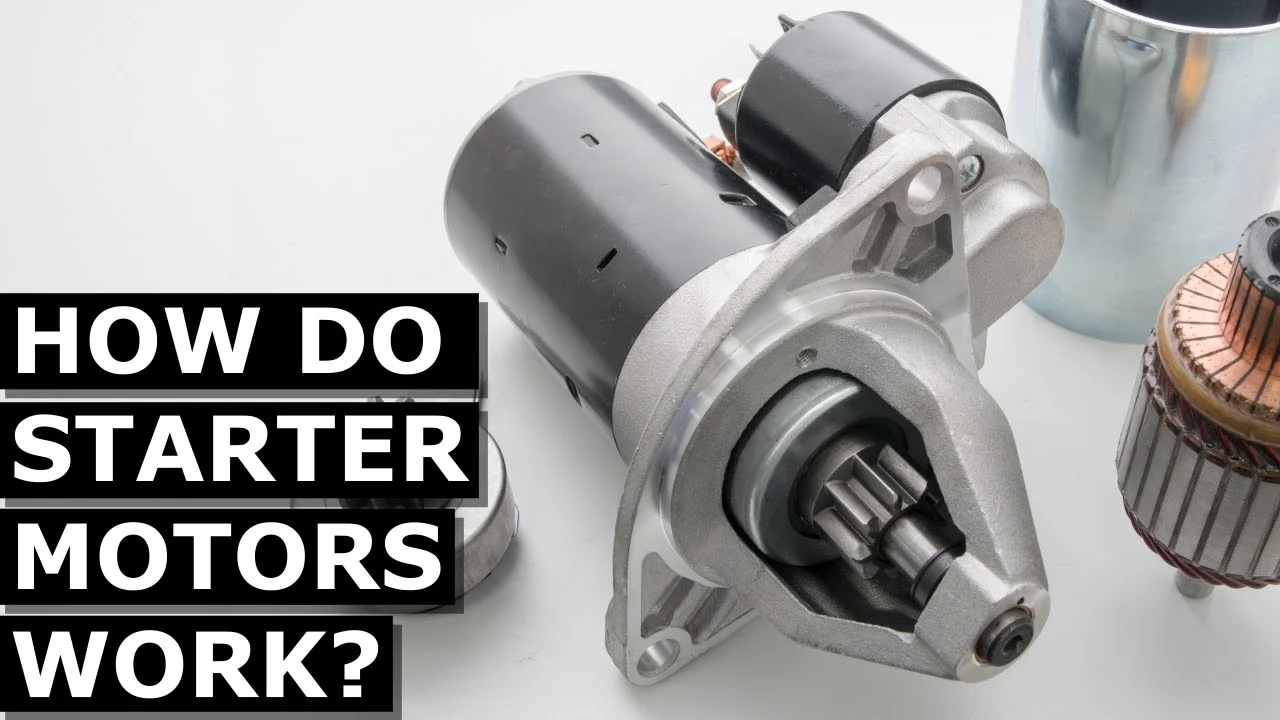
So, your car's decided to stage a protest right on the side of the road, and the culprit? Probably the starter motor. It's that little electric motor responsible for cranking your engine to life. When it fails, you're left with that dreaded 'click-click-click' or, even worse, absolutely nothing. Before you even think about cracking open the toolbox, let's diagnose what's actually going on. Is it a simple loose connection, a dead battery masquerading as a starter issue, or the starter motor itself giving up the ghost? Knowing the enemy is half the battle, right?
Tools You'll Need For Roadside Starter Replacement
Alright, you've confirmed it's the starter. Time to gear up. You're not in your cozy garage, so let's keep it lean and mean. You'll absolutely need:
- Wrench Set (Metric or SAE, depending on your car): Make sure you've got the sizes needed for your starter bolts. A ratcheting wrench can be a lifesaver in tight spots.
- Socket Set (Again, Metric or SAE): For those bolts that are too tight for a wrench alone. Extensions and universal joints are your friends here.
- Screwdrivers (Flathead and Phillips): For disconnecting wiring and potentially removing covers.
- Hammer or Mallet: Sometimes, things are just stuck. Gentle persuasion is key.
- Multimeter: To check for voltage and continuity. This is crucial for diagnosing the problem and ensuring your connections are good.
- Jumper Cables: Just in case your battery is a bit weak from all the starting attempts.
- Wheel Chocks: Safety first! Always chock the wheels before working under a car.
- Jack and Jack Stands: You'll likely need to lift the car to access the starter. NEVER work under a car supported only by a jack.
- Work Gloves: Protect your hands from sharp edges and grime.
- Safety Glasses: Flying debris is no fun.
- Penetrating Oil (like WD-40 or PB Blaster): For those stubborn, rusty bolts. Spray it on and let it soak for a few minutes.
- New Starter Motor: Duh! Make sure it's the correct one for your car's make, model, and year. Double-check the part number!
Step-by-Step Guide Replacing Your Starter Motor On The Go
Okay, you've got the tools, you've got the starter. Let's get this show on the road (pun intended!). Remember to take pictures before you start disconnecting anything. It will help you remember how to put everything back together.
- Safety First: Chock the wheels, engage the parking brake, and disconnect the negative battery cable. This prevents accidental sparks and shocks.
- Locate the Starter Motor: It's usually bolted to the engine near the transmission. Look for a cylindrical motor with thick wires connected to it. Consult your car's repair manual if you're unsure.
- Disconnect the Wiring: Carefully disconnect the wires from the starter. There's usually a thick cable from the battery and a smaller wire from the ignition switch. Note their positions before disconnecting them. Use a wire brush to clean the terminals if they're corroded.
- Remove the Starter Bolts: These are usually pretty tight. Use penetrating oil and a breaker bar if necessary. Be careful not to strip the bolt heads.
- Remove the Old Starter Motor: Sometimes, it takes a bit of wiggling and maneuvering to get the starter out. Be patient and don't force it.
- Install the New Starter Motor: Line up the new starter with the bolt holes and install the bolts. Tighten them to the correct torque specification (check your repair manual).
- Reconnect the Wiring: Reconnect the wires to the starter, making sure they're securely attached. Double-check your notes or pictures to ensure you've connected them correctly.
- Reconnect the Battery: Reconnect the negative battery cable.
- Test the New Starter Motor: Turn the ignition key to start the engine. If it starts, congratulations! You've successfully replaced your starter motor.
- Clean Up: Gather your tools and dispose of the old starter motor properly.
Troubleshooting Common Starter Motor Replacement Problems
Even with the best instructions, things can sometimes go wrong. Here are a few common issues and how to tackle them:
- The New Starter Still Doesn't Work: Double-check your wiring connections. Make sure the battery is fully charged. Use a multimeter to check for voltage at the starter terminals when the ignition key is turned. If there's voltage but the starter doesn't crank, the new starter might be faulty (it happens!).
- Stripped Bolt Heads: This is a common problem, especially with rusty bolts. Use a bolt extractor or a set of locking pliers to remove the stripped bolt. You might need to heat the bolt with a torch to loosen it.
- Difficulty Accessing the Starter: Sometimes, other components are in the way. You might need to remove them temporarily to access the starter. Consult your car's repair manual for instructions.
- Incorrect Starter Motor: Make sure you have the correct starter motor for your car. Compare the old and new starters side-by-side to ensure they're identical.
Recommended Starter Motor Brands and Models
Choosing the right starter motor can make a big difference in reliability and longevity. Here are a few brands and models to consider, along with their pros, cons, and pricing:
Denso Starter Motors
Pros: Excellent reliability, OE supplier for many car manufacturers, wide range of applications.
Cons: Can be slightly more expensive than other brands.
Use Cases: Ideal for daily drivers and vehicles where reliability is paramount.
Pricing: Typically ranges from $150 to $300, depending on the vehicle.
Bosch Starter Motors
Pros: High-quality construction, known for durability, good performance in cold weather.
Cons: Can be pricey, limited availability for some older vehicles.
Use Cases: Suitable for vehicles operating in harsh climates or requiring high starting power.
Pricing: Ranges from $180 to $350.
ACDelco Starter Motors
Pros: OE supplier for GM vehicles, reliable performance, good value for money.
Cons: Primarily focused on GM vehicles, may not be the best choice for other makes.
Use Cases: Perfect for GM owners looking for a reliable and affordable replacement.
Pricing: Ranges from $120 to $250.
Remy Starter Motors
Pros: Remanufactured starters offer a cost-effective alternative, good warranty coverage.
Cons: Remanufactured units may not last as long as new ones, potential for quality control issues.
Use Cases: A good option for budget-conscious consumers who need a quick and affordable fix.
Pricing: Ranges from $80 to $180.
Comparing Starter Motor Options: New vs Remanufactured
When choosing a starter motor, you'll typically have the option of buying a new or remanufactured unit. Here's a breakdown of the pros and cons of each:
New Starter Motors
Pros: Maximum lifespan, guaranteed performance, peace of mind.
Cons: Higher cost.
Remanufactured Starter Motors
Pros: Lower cost, environmentally friendly (reusing existing components).
Cons: Shorter lifespan, potential for quality control issues, may not perform as well as new units.
Recommendation: If you plan to keep your car for a long time, a new starter motor is the best investment. If you're on a tight budget or plan to sell the car soon, a remanufactured unit might be a more practical choice.
Essential Roadside Assistance Tools and Kits
While replacing a starter motor on the roadside is a skill, prevention and preparation are even better. Here are some roadside assistance tools and kits that can help you avoid needing to replace a starter on the side of the road in the first place:
NOCO Boost Plus GB40 1000 Amp 12V UltraSafe Lithium Jump Starter
Use Case: A portable jump starter can revive a dead battery, which is often mistaken for a starter problem. Perfect for emergencies and preventing roadside breakdowns.
Features: 1000 amps, spark-proof connections, reverse polarity protection, LED flashlight, power bank for charging devices.
Price: Around $100.
AAA Premium Road Kit
Use Case: A comprehensive kit containing essential tools and supplies for roadside emergencies, including jumper cables, a flashlight, a first aid kit, and warning triangles.
Features: Jumper cables, flashlight, first aid kit, warning triangles, tire pressure gauge, multi-tool.
Price: Around $50.
ANCEL BA301 Battery Tester
Use Case: Regularly testing your battery's health can help you identify potential problems before they lead to a breakdown. This tester provides accurate readings of battery voltage, CCA, and resistance.
Features: Tests battery voltage, CCA, resistance, and state of charge, easy-to-read LCD display, compatible with various battery types.
Price: Around $30.
Starter Motor Maintenance Tips
Taking care of your starter motor can help prolong its life and prevent roadside failures. Here are a few simple maintenance tips:
- Keep Battery Terminals Clean: Corrosion on battery terminals can reduce the voltage reaching the starter motor, causing it to work harder and wear out faster. Clean the terminals regularly with a wire brush and baking soda solution.
- Avoid Excessive Cranking: Don't crank the engine for more than 10-15 seconds at a time. If it doesn't start, wait a few minutes and try again. Excessive cranking can overheat the starter motor and damage its components.
- Address Starting Problems Promptly: If you notice any signs of a weak or failing starter motor, such as slow cranking or clicking noises, have it inspected by a mechanic as soon as possible. Addressing problems early can prevent them from escalating into a complete failure.
:max_bytes(150000):strip_icc()/277019-baked-pork-chops-with-cream-of-mushroom-soup-DDMFS-beauty-4x3-BG-7505-5762b731cf30447d9cbbbbbf387beafa.jpg)