Testing a Car Battery on the Roadside: Using a Multimeter
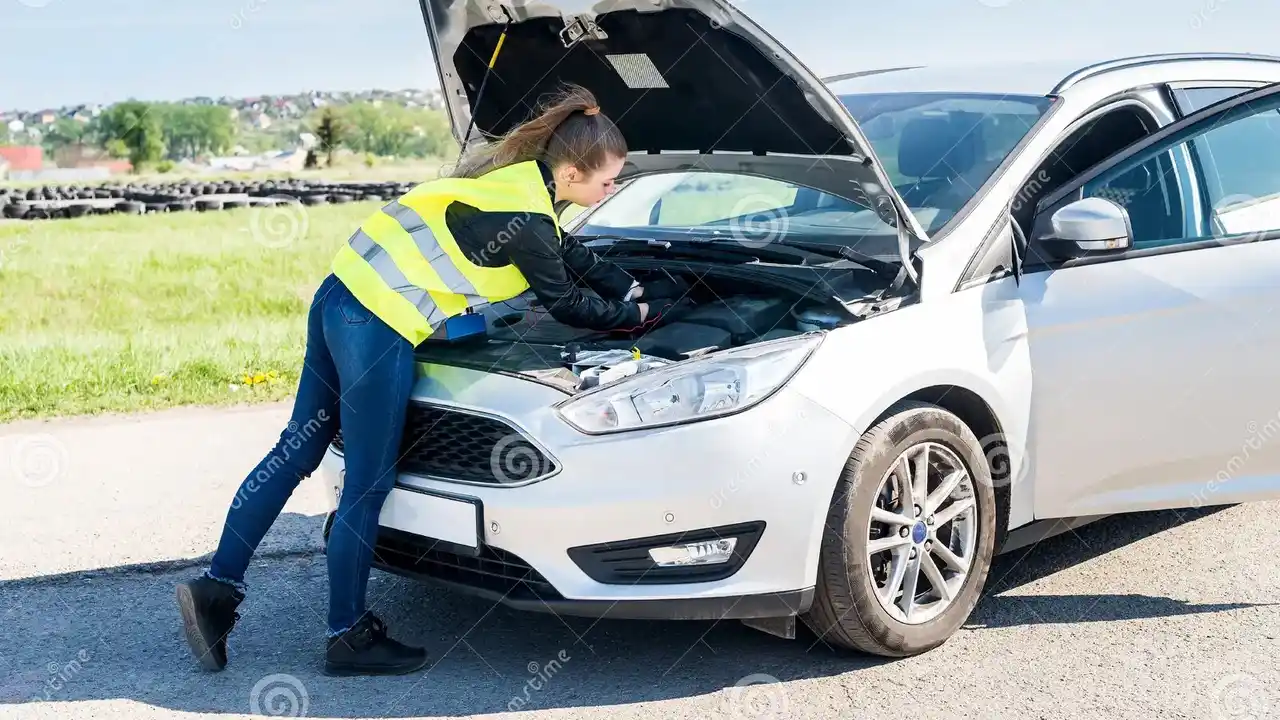
Why You Need to Know How to Test Your Car Battery Roadside Car Battery Testing Multimeter Guide
Let's face it, getting stranded with a dead car battery is a real drag. It always seems to happen at the worst possible time, right? But what if you could diagnose the problem yourself, right there on the roadside, before calling for a tow or a jump start? That's where knowing how to test your car battery with a multimeter comes in. It's a simple skill that can save you time, money, and a whole lot of frustration. This guide will walk you through the process step-by-step, even if you've never touched a multimeter before.
Understanding Car Batteries and Their Role in Roadside Emergencies Car Battery Basics Roadside Troubleshooting
Your car battery is the heart of your vehicle's electrical system. It provides the initial power needed to start the engine and keeps everything running smoothly. Over time, batteries degrade due to factors like temperature extremes, vibration, and simply age. Recognizing the signs of a failing battery is crucial. Look out for slow engine cranking, dimming headlights, or warning lights on your dashboard. These could indicate your battery is on its last legs. Regular maintenance and understanding your battery's health can prevent unexpected roadside breakdowns.
The Multimeter Your Essential Roadside Diagnostic Tool Multimeter Uses Car Battery Testing Equipment
A multimeter is a versatile tool that allows you to measure voltage, current, and resistance in electrical circuits. For car battery testing, we'll primarily be using the voltage setting. Don't be intimidated! Multimeters are relatively inexpensive and easy to use. You can pick one up at most auto parts stores or online retailers for around $20-$50. Look for a digital multimeter with a clear display and easy-to-read settings. Make sure it can measure DC voltage, which is what car batteries use.
Step-by-Step Guide to Testing Your Car Battery with a Multimeter Roadside Battery Test Multimeter Instructions Car Battery Voltage Check
Alright, let's get down to business. Here's how to test your car battery with a multimeter, step-by-step:
- Safety First! Wear safety glasses to protect your eyes and make sure your car is parked in a safe location, away from traffic. Turn off the engine and all accessories (lights, radio, etc.).
- Locate Your Battery: Typically, it's under the hood, but some cars have it in the trunk or under the rear seat. Consult your owner's manual if you're unsure.
- Clean the Terminals: Use a wire brush or battery terminal cleaner to remove any corrosion from the battery terminals. This ensures a good connection for accurate readings.
- Set Up Your Multimeter: Turn on your multimeter and set it to the DC voltage (DCV) setting. The range should be set to 20V or higher, depending on your multimeter.
- Connect the Leads: Connect the red (positive) lead of the multimeter to the positive (+) terminal of the battery. Connect the black (negative) lead of the multimeter to the negative (-) terminal of the battery.
- Read the Voltage: Observe the voltage reading on the multimeter display. A fully charged car battery should read around 12.6 volts or higher. A reading below 12.4 volts indicates a partially discharged battery, and a reading below 12.0 volts suggests a significantly discharged or failing battery.
- Load Test (Optional): For a more accurate assessment, perform a load test. Have someone start the car while you keep the multimeter connected. The voltage should not drop below 9.6 volts during cranking. A significant drop indicates a weak battery.
- Disconnect the Leads: Once you're done, disconnect the leads in reverse order (black first, then red).
Interpreting the Results Understanding Car Battery Voltage Roadside Diagnostic Tips
So, you've got your voltage reading. What does it all mean? Here's a quick breakdown:
- 12.6V or Higher: Your battery is in good shape.
- 12.4V - 12.6V: Your battery is partially discharged. Consider charging it.
- 12.0V - 12.4V: Your battery is significantly discharged. You may need a jump start or replacement.
- Below 12.0V: Your battery is severely discharged or failing. Replacement is likely necessary.
- Significant Voltage Drop During Load Test (Below 9.6V): Your battery is weak and needs replacement.
Remember, these are general guidelines. The specific voltage range may vary slightly depending on your battery type and manufacturer. Consult your owner's manual for more information.
Recommended Multimeters for Roadside Use Best Multimeters for Car Battery Testing Affordable Multimeter Options
Choosing the right multimeter can make all the difference. Here are a few recommendations for roadside use:
- Fluke 101 Basic Digital Multimeter: A reliable and durable option from a trusted brand. It's compact, easy to use, and offers accurate readings. Around $50-$70. Great for general automotive testing.
- INNOVA 3320 Auto-Ranging Digital Multimeter: A budget-friendly option with auto-ranging capabilities, making it simple for beginners. It includes a temperature probe, which can be useful for other automotive diagnostics. Around $20-$30. Perfect for basic car battery checks.
- Klein Tools MM400 Digital Multimeter: A rugged and durable multimeter designed for professional use. It features a large, backlit display and a built-in non-contact voltage tester. Around $40-$60. Good all-around choice for automotive and home use.
Product Comparison:
| Multimeter | Price | Features | Pros | Cons | Best Use Case |
|---|---|---|---|---|---|
| Fluke 101 | $50-$70 | Basic functions, durable | Reliable, accurate | Limited features | General automotive testing |
| INNOVA 3320 | $20-$30 | Auto-ranging, temperature probe | Affordable, easy to use | Less durable | Basic car battery checks |
| Klein Tools MM400 | $40-$60 | Rugged, backlit display | Durable, versatile | Slightly more expensive | Automotive and home use |
Beyond Voltage Testing Additional Roadside Battery Checks Battery Terminal Inspection Cable Inspection
While voltage testing is the primary method, there are other things you can check on the roadside:
- Terminal Condition: Inspect the battery terminals for corrosion. Clean them with a wire brush and battery terminal cleaner if necessary.
- Cable Connections: Ensure the battery cables are securely connected to the terminals. Loose connections can cause voltage drops and starting problems.
- Battery Case: Look for any signs of damage to the battery case, such as cracks or bulges. These could indicate a failing battery.
Preventing Roadside Battery Failures Proactive Car Battery Maintenance Car Battery Care Tips
The best way to avoid getting stranded with a dead battery is to practice preventative maintenance:
- Regular Battery Testing: Test your battery at least twice a year, especially before the winter and summer months.
- Keep Terminals Clean: Clean the battery terminals regularly to prevent corrosion.
- Avoid Short Trips: Short trips don't allow the battery to fully recharge. Take longer drives occasionally to keep it healthy.
- Turn Off Accessories: Make sure all lights, radio, and other accessories are turned off when you shut off the engine.
- Consider a Battery Tender: If you don't drive your car often, use a battery tender to keep the battery fully charged.
Jump Starting Your Car Safely Roadside Jump Start Procedure Using Jumper Cables
If your battery is dead, you may need a jump start. Here's how to do it safely:
- Safety First! Wear safety glasses and make sure both cars are parked in a safe location, away from traffic. Turn off the engines of both cars.
- Connect the Jumper Cables:
- Connect the red (positive) cable to the positive (+) terminal of the dead battery.
- Connect the other end of the red cable to the positive (+) terminal of the good battery.
- Connect the black (negative) cable to the negative (-) terminal of the good battery.
- Connect the other end of the black cable to a metal part of the dead car's engine block (away from the battery). This grounds the circuit and prevents sparks.
- Start the Good Car: Let the good car run for a few minutes to charge the dead battery.
- Start the Dead Car: Try starting the dead car. If it starts, let it run for at least 20 minutes to recharge the battery.
- Disconnect the Jumper Cables: Disconnect the cables in reverse order: black cable from the engine block, black cable from the good battery, red cable from the good battery, red cable from the dead battery.
If the car doesn't start after a few attempts, there may be a more serious problem than just a dead battery. Consult a mechanic.
Knowing When to Replace Your Car Battery Car Battery Lifespan Replacement Indicators
Even with proper maintenance, car batteries eventually need to be replaced. The average lifespan of a car battery is 3-5 years. Here are some signs that it's time for a new battery:
- Slow Engine Cranking: The engine takes longer than usual to start.
- Dimming Headlights: The headlights dim when the engine is idling.
- Warning Lights: The battery warning light or check engine light comes on.
- Battery Age: The battery is more than 3 years old.
- Visual Inspection: The battery case is cracked or bulging.
If you're experiencing any of these symptoms, have your battery tested by a professional. They can perform a more thorough diagnosis and recommend the best course of action.
Roadside Assistance Services When to Call for Help Professional Car Battery Services
Sometimes, despite your best efforts, you may need to call for roadside assistance. Here are some situations where it's best to seek professional help:
- You're Unsure How to Proceed: If you're not comfortable working on your car or you're unsure how to diagnose the problem, it's best to call for help.
- The Car Won't Start After a Jump Start: This could indicate a more serious problem, such as a faulty alternator or starter.
- You're in a Dangerous Location: If you're stranded on a busy highway or in a dangerous area, prioritize your safety and call for assistance.
Roadside assistance services can provide jump starts, battery replacements, and towing services. They can also diagnose more complex problems and get you back on the road safely.
:max_bytes(150000):strip_icc()/277019-baked-pork-chops-with-cream-of-mushroom-soup-DDMFS-beauty-4x3-BG-7505-5762b731cf30447d9cbbbbbf387beafa.jpg)