Replacing a Car Battery: A Step-by-Step Guide
So, your car's acting up, huh? Turning the key and hearing nothing but a pathetic click-click-click? Chances are, your battery's given up the ghost. Don't panic! Replacing a car battery is a surprisingly simple DIY job. You don't need to be a mechanic to handle this. With a few basic tools and this guide, you'll be back on the road in no time. Let's dive in!
Understanding Your Car Battery The Heart of Your Ride
First things first, let's understand what a car battery actually does. It's not just there to start your engine. It provides the initial jolt of electricity needed to crank the engine, and it also stabilizes the voltage and provides power to accessories when the engine isn't running at peak performance. Headlights, radio, even your AC – they all rely on the battery. A dead or dying battery can leave you stranded and feeling pretty grumpy.
Gathering Your Tools and Safety Gear Essential Car Battery Replacement Tools
Before you even think about popping the hood, gather your tools. You'll need:
- A wrench (usually 10mm or 13mm, check your car's manual)
- A battery terminal cleaner (wire brush style is best)
- A battery terminal protector spray or grease
- Gloves (essential for safety!)
- Safety glasses (also essential!)
- A memory saver (optional, but highly recommended)
Let's talk about that memory saver. Modern cars have a lot of sensitive electronics. Disconnecting the battery can erase things like your radio presets, seat memory, and even anti-theft settings. A memory saver plugs into your cigarette lighter or OBDII port and provides a small amount of power to keep those settings intact. It's a cheap investment that can save you a lot of hassle.
Choosing the Right Replacement Battery Finding the Perfect Fit and Power
Not all car batteries are created equal. You can't just grab any old battery off the shelf. You need to find the right one for your car. Here's what to look for:
- Battery Group Size: This is a standardized size code that ensures the battery physically fits in your car's battery tray. Check your car's manual or use an online battery finder tool (most auto parts stores have them) to determine the correct group size.
- Cold Cranking Amps (CCA): This measures the battery's ability to start the engine in cold weather. The higher the CCA, the better. Check your car's manual for the recommended CCA rating.
- Reserve Capacity (RC): This indicates how long the battery can power the car's electrical system if the alternator fails. Again, check your manual for the recommended RC rating.
- Battery Type: Lead-acid batteries are the most common, but there are also AGM (Absorbent Glass Mat) batteries. AGM batteries are more expensive but offer better performance and longer lifespan, especially in vehicles with start-stop systems.
Product Recommendations and Comparisons:
Okay, let's get specific about some battery recommendations:
- Optima RedTop: This is a high-performance AGM battery known for its exceptional starting power and vibration resistance. It's a great choice for vehicles with demanding electrical systems or those used in off-road conditions. Expect to pay around $250-$350. Use Case: High-performance vehicles, off-road trucks, vehicles with aftermarket audio systems. Pros: Excellent starting power, long lifespan, vibration resistant. Cons: More expensive than lead-acid batteries.
- DieHard Gold: This is a reliable lead-acid battery that offers a good balance of performance and price. It's a solid choice for everyday vehicles. Expect to pay around $150-$250. Use Case: Everyday cars, trucks, and SUVs. Pros: Affordable, readily available. Cons: Shorter lifespan than AGM batteries, less vibration resistant.
- Odyssey PC680: This is a compact AGM battery often used in motorcycles, ATVs, and other small vehicles. It's also a popular choice for racing applications due to its high power-to-weight ratio. Expect to pay around $200-$300. Use Case: Motorcycles, ATVs, racing applications. Pros: Compact size, high power, vibration resistant. Cons: May not be suitable for larger vehicles.
Battery Comparison Table:
| Battery Brand/Model | Type | CCA | Price (Approximate) | Best Use Case |
|---|---|---|---|---|
| Optima RedTop | AGM | 800 | $250-$350 | High-performance vehicles |
| DieHard Gold | Lead-Acid | 700 | $150-$250 | Everyday cars |
| Odyssey PC680 | AGM | 170 | $200-$300 | Motorcycles, ATVs |
When choosing a battery, consider your vehicle's needs and your budget. If you live in a cold climate or have a vehicle with a lot of electrical accessories, an AGM battery might be a worthwhile investment. If you're on a tight budget and just need a reliable battery for everyday use, a lead-acid battery will likely suffice.
Step-by-Step Car Battery Replacement Guide The Easy Way
Alright, let's get down to business. Here's how to replace your car battery, step by step:
- Safety First! Put on your safety glasses and gloves. This is crucial! Battery acid is nasty stuff.
- Locate the Battery: Most batteries are under the hood, but some are located in the trunk or under the rear seat. Check your car's manual if you're not sure.
- Disable the Electrical System: Turn off the engine and remove the key from the ignition. Make sure all lights and accessories are turned off.
- Connect the Memory Saver (Optional): If you're using a memory saver, plug it into the cigarette lighter or OBDII port.
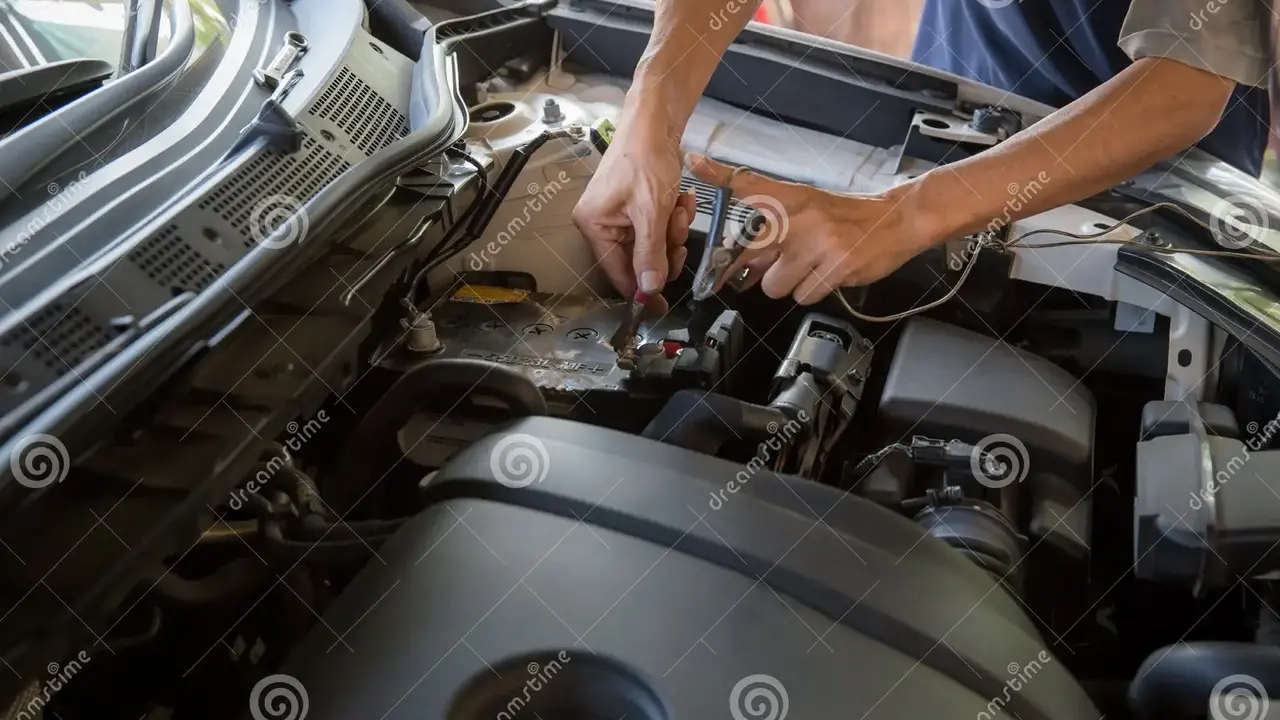
- Disconnect the Negative Terminal: Use your wrench to loosen the nut on the negative (-) terminal. Carefully remove the cable from the terminal. Tuck it away so it doesn't accidentally touch the terminal.
- Disconnect the Positive Terminal: Repeat the process for the positive (+) terminal. Be extra careful not to let the wrench touch any metal parts of the car while it's connected to the positive terminal.
- Remove the Battery Hold-Down: This is usually a clamp or strap that secures the battery in place. Remove it.
- Lift Out the Old Battery: Carefully lift the old battery out of the tray. It's heavy, so be careful!
- Clean the Battery Tray and Terminals: Use a wire brush to clean any corrosion from the battery tray and terminals. This will ensure a good connection.
- Install the New Battery: Carefully place the new battery in the tray.
- Secure the Battery Hold-Down: Reinstall the battery hold-down.
- Connect the Positive Terminal: Attach the positive (+) cable to the positive terminal and tighten the nut.
- Connect the Negative Terminal: Attach the negative (-) cable to the negative terminal and tighten the nut.
- Apply Terminal Protector: Spray or grease the terminals with a battery terminal protector to prevent corrosion.
- Remove the Memory Saver (If Used): Disconnect the memory saver.
- Start the Engine: Start the engine to make sure the new battery is working properly.
Troubleshooting Common Car Battery Problems and Solutions
Sometimes things don't go as planned. Here are some common problems you might encounter and how to fix them:
- The Battery Terminals are Corroded: Corrosion can prevent the battery from charging and starting the engine. Clean the terminals with a wire brush and apply a terminal protector.
- The Battery is Dead: If the battery is completely dead, you'll need to jump-start it or replace it.
- The Car Won't Start Even With a New Battery: This could be a problem with the starter motor, alternator, or wiring. Consult a mechanic.
- The Battery Keeps Dying: This could be caused by a parasitic drain on the battery, a faulty alternator, or a bad battery. Have your car inspected by a mechanic.
Maintaining Your Car Battery Tips for a Longer Lifespan
Want to make your battery last longer? Here are a few tips:
- Keep the Battery Clean: Clean the battery terminals regularly to prevent corrosion.
- Avoid Short Trips: Short trips don't give the alternator enough time to fully recharge the battery.
- Turn Off Lights and Accessories: Make sure all lights and accessories are turned off when you turn off the engine.
- Get Your Battery Tested Regularly: Most auto parts stores offer free battery testing. This can help you identify potential problems before they lead to a breakdown.
Proper Disposal of Old Car Batteries Environmentally Responsible Recycling
Don't just throw your old car battery in the trash! Car batteries contain hazardous materials that can pollute the environment. Most auto parts stores will accept old batteries for recycling. They'll even give you a small credit towards the purchase of a new battery. Recycling your old battery is the responsible thing to do.
Choosing the Right Battery Terminal Cleaner The Best Products for the Job
Keeping your battery terminals clean is crucial for optimal performance. Here are a few recommended battery terminal cleaners:
- CRC Battery Terminal Cleaner: This is a popular and effective spray cleaner that dissolves corrosion and helps prevent future buildup. Pros: Easy to use, effective, readily available. Cons: Can be messy.
- NOCO NCP2 Battery Corrosion Preventative: This is a protective spray that prevents corrosion from forming on battery terminals. Pros: Long-lasting protection, easy to apply. Cons: Can be a bit expensive.
- Wire Brush Battery Terminal Cleaner: A simple wire brush is an effective way to scrub away corrosion. Pros: Inexpensive, reusable. Cons: Requires more effort.
Understanding Battery Terminal Protectors Preventing Corrosion for Long-Term Performance
Battery terminal protectors help prevent corrosion by creating a barrier between the terminals and the environment. Here are a few options:
- Battery Terminal Protector Spray: These sprays create a thin, protective coating on the terminals. Pros: Easy to apply, good coverage. Cons: May need to be reapplied periodically.
- Battery Terminal Protector Grease: These greases provide a thicker, more durable barrier against corrosion. Pros: Long-lasting protection, good for harsh environments. Cons: Can be messy to apply.
- Battery Terminal Pads: These felt pads are placed around the terminals to absorb acid and prevent corrosion. Pros: Easy to install, inexpensive. Cons: May not be as effective as sprays or greases.
So there you have it! Replacing a car battery is a straightforward task that can save you money and keep you on the road. Just remember to follow the safety precautions, choose the right battery for your car, and dispose of the old battery properly. Happy motoring!
:max_bytes(150000):strip_icc()/277019-baked-pork-chops-with-cream-of-mushroom-soup-DDMFS-beauty-4x3-BG-7505-5762b731cf30447d9cbbbbbf387beafa.jpg)