Protecting Yourself from the Sun on the Roadside: Sun Safety
Understanding the Risks Sun Exposure Poses While Driving
Hey folks! Let's talk about something we often overlook when we're hitting the road: the sun. Yeah, sunshine is great for picnics and beach days, but when you're behind the wheel, it can be a real hazard. Prolonged sun exposure while driving isn't just about getting a tan (or a sunburn!). It can lead to serious health problems like skin cancer, premature aging, and even eye damage. And let's be honest, nobody wants to deal with that, especially when you're trying to enjoy a road trip or just get to work safely.
Think about it: you're sitting in your car, often for hours, with the sun beating down on you through the windows. While car windows offer some protection, they don't block all harmful UV rays. Plus, the sun's glare can make it harder to see, increasing your risk of accidents. So, taking sun safety seriously when you're on the road is super important. It's not just about comfort; it's about your health and safety, and the safety of everyone else on the road.
The Science Behind Sun Damage UV Rays and Your Skin
Alright, let's get a little science-y for a minute. The sun emits ultraviolet (UV) rays, which are invisible to the human eye but can do some serious damage to our skin. There are two main types of UV rays we need to worry about: UVA and UVB. UVB rays are the primary cause of sunburn, while UVA rays penetrate deeper into the skin and contribute to aging and wrinkles. Both types of UV rays can increase your risk of skin cancer.
Now, here's the kicker: car windows block most UVB rays, but they don't block UVA rays as effectively. That means you're still getting a hefty dose of aging and cancer-causing radiation even when you're inside your car. That's why it's crucial to take extra precautions to protect yourself, even when you think you're safe inside your vehicle. It's like thinking you're safe from rain under a leaky umbrella – you're still getting wet, just not as much!
Essential Sun Protection Gear for Drivers SPF Sunscreen Sunglasses and More
Okay, so how do we fight back against the sun's harmful rays? Here's a breakdown of the essential gear you need to stay protected on the road:
- Sunscreen: This is a no-brainer. Apply a broad-spectrum sunscreen with an SPF of 30 or higher to all exposed skin, including your face, neck, arms, and hands. Reapply every two hours, or more often if you're sweating. Don't forget the back of your hands – they get a lot of sun exposure while driving!
- Sunglasses: Invest in a good pair of sunglasses that block 100% of UVA and UVB rays. Look for sunglasses with a wrap-around design to protect your eyes from the sides. Polarized lenses can also reduce glare, making it easier to see on sunny days.
- Protective Clothing: Wear long sleeves and pants whenever possible. If it's too hot for long sleeves, consider wearing a lightweight, long-sleeved shirt made from sun-protective fabric. A wide-brimmed hat can also help shield your face and neck from the sun.
- Window Tinting: Consider getting your car windows tinted. Window tinting can block up to 99% of UV rays, providing an extra layer of protection. Check your local laws regarding window tinting, as regulations vary by state.
- Sun Visors: Use your car's sun visors to block direct sunlight. You can also purchase aftermarket sun visors that provide more coverage.
Choosing the Right Sunscreen for Driving Considerations for Effective Protection
Not all sunscreens are created equal! When choosing a sunscreen for driving, consider these factors:
- Broad Spectrum: Make sure your sunscreen is labeled "broad spectrum," meaning it protects against both UVA and UVB rays.
- SPF 30 or Higher: Choose a sunscreen with an SPF of 30 or higher. SPF stands for Sun Protection Factor, and it indicates how well the sunscreen protects you from UVB rays.
- Water Resistance: If you're going to be sweating, choose a water-resistant sunscreen. However, keep in mind that no sunscreen is completely waterproof, so you'll still need to reapply regularly.
- Non-Greasy Formula: Look for a non-greasy formula that won't leave your skin feeling oily. This is especially important if you have oily skin.
- Fragrance-Free: If you have sensitive skin, choose a fragrance-free sunscreen to avoid irritation.
Here are a few sunscreen recommendations:
- EltaMD UV Clear Broad-Spectrum SPF 46: This sunscreen is a favorite among dermatologists. It's lightweight, non-greasy, and contains niacinamide to help calm and protect sensitive skin. Price: Around $37.
- Neutrogena Ultra Sheer Dry-Touch Sunscreen SPF 55: This sunscreen is affordable and widely available. It's oil-free and provides broad-spectrum protection. Price: Around $10.
- La Roche-Posay Anthelios Melt-In Sunscreen Milk SPF 60: This sunscreen is a great option for dry skin. It's hydrating and provides broad-spectrum protection. Price: Around $36.
Sunglasses Selection A Guide to Polarized Lenses UV Protection and Frame Styles
Sunglasses are just as important as sunscreen when it comes to protecting your eyes from the sun. Here's what to look for when choosing sunglasses for driving:
- 100% UVA and UVB Protection: Make sure your sunglasses block 100% of UVA and UVB rays. This is the most important factor to consider.
- Polarized Lenses: Polarized lenses reduce glare from reflective surfaces like water and asphalt, making it easier to see on sunny days. They're especially helpful for driving.
- Lens Color: The color of your lenses can affect your vision. Gray lenses are a good all-purpose option, while brown lenses can enhance contrast. Yellow or amber lenses are good for low-light conditions.
- Frame Style: Choose a frame style that fits comfortably and provides good coverage. Wrap-around frames offer the best protection from the sun.
Here are a few sunglasses recommendations:
- Ray-Ban Aviator Sunglasses: A classic style that provides excellent UV protection. Price: Around $163.
- Oakley Holbrook Sunglasses: A sporty style with polarized lenses and a comfortable fit. Price: Around $156.
- Maui Jim Sunglasses: Known for their high-quality lenses and stylish designs. Price: Varies, but typically over $200.
Window Tinting Options Benefits Legality and Professional Installation
Window tinting can significantly reduce the amount of UV radiation that enters your car. However, it's important to choose the right type of tint and to follow your local laws.
- Types of Window Tint: There are several types of window tint, including dyed film, metalized film, carbon film, and ceramic film. Ceramic film is the most expensive option, but it offers the best heat rejection and UV protection.
- Legality: Window tinting laws vary by state. Most states have restrictions on how dark the tint can be on the front windows. Check your local laws before getting your windows tinted.
- Professional Installation: It's best to have your windows tinted by a professional. Professional installers have the experience and equipment to ensure that the tint is applied correctly and without bubbles or wrinkles.
The cost of window tinting varies depending on the type of film and the size of your car. Expect to pay anywhere from $100 to $500 for professional window tinting.
Beyond the Basics Staying Hydrated and Planning Your Route for Sun Safety
Besides gear, some simple things can make a big difference:
- Stay Hydrated: Drink plenty of water to stay hydrated. Dehydration can make you more susceptible to sun damage.
- Plan Your Route: If possible, plan your route to avoid driving during the hottest part of the day (usually between 10 a.m. and 4 p.m.).
- Take Breaks: Take frequent breaks to get out of the sun and stretch your legs.
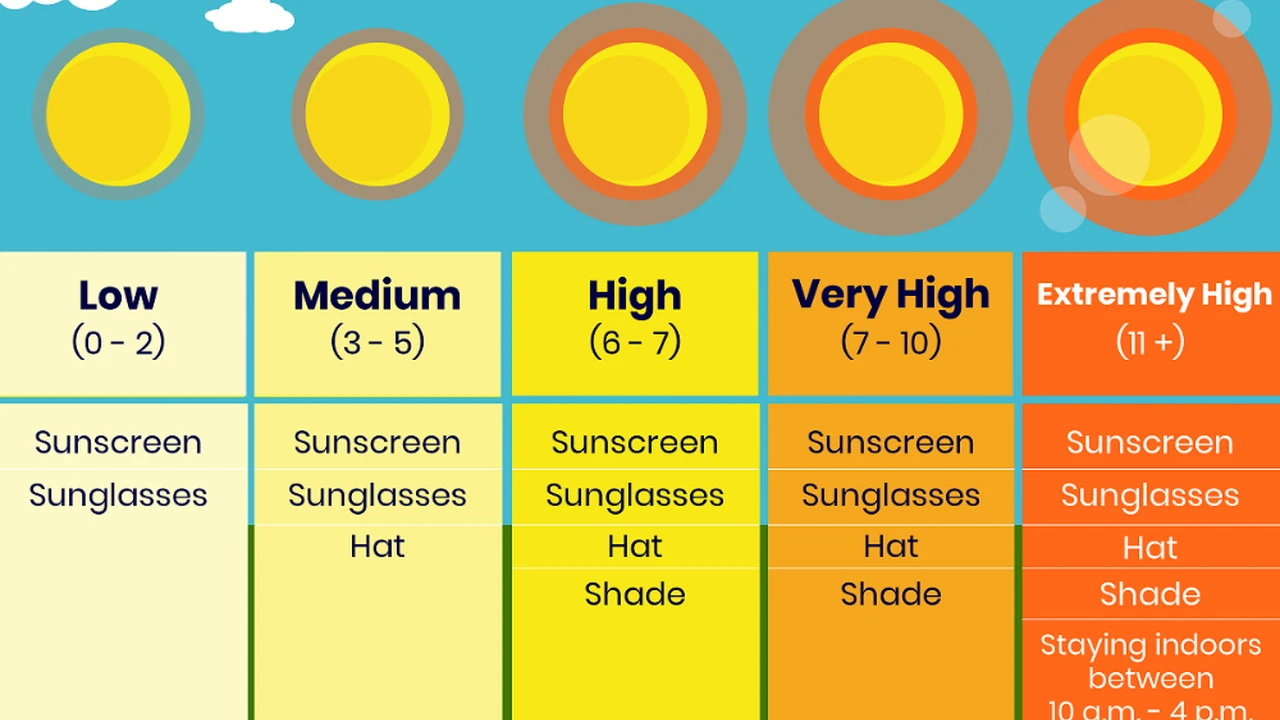
- Check the UV Index: Before you hit the road, check the UV index for your area. The higher the UV index, the greater the risk of sun damage.
Product Comparison Sunscreen Sunglasses and Window Film Brands and Features
Let's dive a bit deeper into comparing some popular products:
Sunscreen Comparison:
* **EltaMD UV Clear vs. Neutrogena Ultra Sheer:** EltaMD is pricier but often recommended for sensitive skin due to its niacinamide content. Neutrogena is a budget-friendly option that's widely available and effective for most skin types. EltaMD wins for sensitive skin, Neutrogena for affordability. * **La Roche-Posay Anthelios vs. EltaMD UV Clear:** La Roche-Posay excels at providing hydration, making it ideal for dry skin. EltaMD is more balanced and suitable for oily or combination skin. La Roche-Posay for dry skin, EltaMD for oily/combination.Sunglasses Comparison:
* **Ray-Ban Aviator vs. Oakley Holbrook:** Ray-Bans offer a classic, timeless style, while Oakleys prioritize sportiness and durability. Oakleys often have superior lens technology for glare reduction. Ray-Ban for style, Oakley for performance. * **Maui Jim vs. Ray-Ban:** Maui Jim is known for exceptional lens clarity and color enhancement, but they come at a premium price. Ray-Ban offers a wider range of styles and price points. Maui Jim for lens quality, Ray-Ban for variety.Window Film Comparison:
* **Dyed Film vs. Ceramic Film:** Dyed film is the cheapest option but offers the least heat rejection and UV protection. Ceramic film is the most expensive but provides superior performance and longevity. Ceramic is worth the investment if you're serious about heat and UV protection. * **Metalized Film vs. Carbon Film:** Metalized film can interfere with cell phone and GPS signals. Carbon film doesn't have this issue and offers good heat rejection. Carbon is generally preferred for its performance and lack of signal interference.Real World Scenarios Sun Safety on Long Drives in Different Climates
Let's consider some real-world scenarios:
* **Long Desert Drive:** Sunscreen is absolutely crucial! Reapply religiously. Consider a hat and long sleeves. Use a sunshade when parked. Hydrate constantly. * **Coastal Road Trip:** Glare is a major factor. Polarized sunglasses are a must. The sun reflects off the water, increasing UV exposure. * **Mountain Drive at High Altitude:** UV radiation is stronger at higher altitudes. Extra sunscreen and protective clothing are essential. The air is often drier, so hydrate even more. * **Overcast Day:** Don't be fooled! UV rays can penetrate clouds. Continue to wear sunscreen and sunglasses.Debunking Common Myths About Sun Protection While Driving
Let's clear up some common misconceptions:
* **Myth: "I'm safe inside my car."** False! Car windows don't block all UV rays. * **Myth: "I only need sunscreen on sunny days."** False! UV rays are present even on cloudy days. * **Myth: "Window tinting is illegal."** Depends on your state! Check your local laws. * **Myth: "Darker sunglasses offer better protection."** Not necessarily! Look for 100% UV protection, regardless of lens darkness.Budget Friendly Sun Safety Tips Affordable Solutions for Roadside Protection
You don't have to break the bank to stay safe:
* **Generic Sunscreen:** Store-brand sunscreens can be just as effective as name-brand options. * **Discount Sunglasses:** Look for sales and discounts on sunglasses that offer 100% UV protection. * **DIY Window Shade:** Use cardboard or foil to create a temporary sunshade for your car windows. * **Repurpose Clothing:** Wear old long-sleeved shirts and pants for sun protection.Future Trends in Sun Safety Technology Advances and Innovations
The future of sun safety is looking bright (pun intended!):
* **Smart Sunscreen:** Sunscreen that monitors your UV exposure and reminds you to reapply. * **Dynamic Window Tinting:** Window tint that automatically adjusts to changing light conditions. * **UV-Protective Clothing with Smart Sensors:** Clothing that detects UV exposure and alerts you.Maintaining Your Sun Protection Gear Cleaning Sunglasses and Storing Sunscreen
Taking care of your gear extends its lifespan and effectiveness:
* **Sunglasses:** Clean your sunglasses regularly with a microfiber cloth and lens cleaner. Store them in a case when not in use to prevent scratches. * **Sunscreen:** Store sunscreen in a cool, dry place. Avoid leaving it in your car, as heat can degrade its effectiveness. Check the expiration date before using. * **Window Tint:** Avoid using harsh chemicals or abrasive cleaners on your window tint. Use a mild soap and water solution.:max_bytes(150000):strip_icc()/277019-baked-pork-chops-with-cream-of-mushroom-soup-DDMFS-beauty-4x3-BG-7505-5762b731cf30447d9cbbbbbf387beafa.jpg)