What to Do After a Car Accident: A Step-by-Step Guide
Immediate Actions After a Car Accident Ensuring Safety and Well-being
Okay, you've just been in a car accident. First things first: breathe. It's a stressful situation, but panic won't help. Your immediate priority is safety. Assess yourself and any passengers for injuries. If possible, move your vehicle to a safe location, away from traffic. Turn on your hazard lights. If anyone is seriously injured, call emergency services (911 in the US) immediately. Don't hesitate – time is crucial. Even if injuries seem minor, it's always best to err on the side of caution. Once you’ve ensured everyone’s immediate safety, proceed to the next steps.
Documenting the Scene Essential Information Gathering for Insurance Claims
Once you're in a safe spot, start documenting everything. This is where your phone becomes your best friend. Take photos of the damage to all vehicles involved, the accident scene, any visible injuries, and road conditions. Get the other driver's information: name, address, phone number, driver's license number, insurance company, and policy number. Exchange information politely, but avoid admitting fault. Stick to the facts. Write down the make, model, and license plate number of all vehicles involved. If there were any witnesses, get their contact information as well. All this information is crucial for filing insurance claims and building your case.
Reporting the Accident to Authorities When and How to File a Police Report
Whether you need to report the accident to the police depends on the severity of the situation and local laws. Generally, if there are injuries, significant property damage, or the accident involves a hit-and-run, you're required to file a police report. Even if it seems minor, it's often a good idea to report it anyway. The police report provides an official record of the accident and can be helpful when dealing with insurance companies. When speaking to the police, stick to the facts and avoid speculating or admitting fault. Provide them with all the information you've gathered, including photos, witness contact information, and driver details. Obtain a copy of the police report for your records.
Exchanging Information with the Other Driver A Guide to Polite and Effective Communication
Exchanging information with the other driver can be tricky, especially if emotions are running high. Remember to remain calm and polite, even if you feel frustrated or angry. Focus on gathering the necessary information – names, addresses, phone numbers, driver's license numbers, and insurance details. Avoid arguing or assigning blame. Stick to the facts and avoid saying anything that could be construed as an admission of fault. If the other driver is being aggressive or uncooperative, don't engage. Simply collect the information you can and report the incident to the police and your insurance company.
Contacting Your Insurance Company Initiating the Claims Process and Protecting Your Rights
Contact your insurance company as soon as possible after the accident. Even if you're not at fault, it's important to report the incident. Your insurance company can guide you through the claims process and protect your rights. Provide them with all the information you've gathered, including photos, the police report, and the other driver's information. Be honest and accurate in your description of the accident. Your insurance company will investigate the accident and determine who is at fault. They will also handle the claims process and negotiate with the other driver's insurance company. Remember to keep a record of all communication with your insurance company.
Seeking Medical Attention Prioritizing Your Health and Documenting Injuries for Legal Purposes
Even if you feel fine after the accident, it's crucial to seek medical attention. Some injuries, like whiplash, may not be immediately apparent. A doctor can properly assess your condition and identify any hidden injuries. Document all medical treatment and keep records of all expenses. This documentation is essential if you need to file a personal injury claim. Be sure to tell your doctor that you were involved in a car accident and describe any pain or discomfort you're experiencing. Follow your doctor's instructions and attend all follow-up appointments.
Understanding Your Legal Options Protecting Yourself and Seeking Compensation for Damages
Depending on the severity of the accident and the extent of your injuries, you may have legal options. If you were injured due to the negligence of another driver, you may be able to file a personal injury claim to recover compensation for your medical expenses, lost wages, pain and suffering, and property damage. It's important to consult with an attorney to understand your rights and options. An attorney can help you navigate the legal process, negotiate with insurance companies, and represent you in court if necessary. Don't hesitate to seek legal advice if you believe you have a claim.
Essential Roadside Safety Products Recommendations and Comparisons for Emergency Situations
Being prepared for roadside emergencies is crucial. Here are some essential products to keep in your car:
Emergency Roadside Kit Choosing the Right Kit for Your Needs and Budget
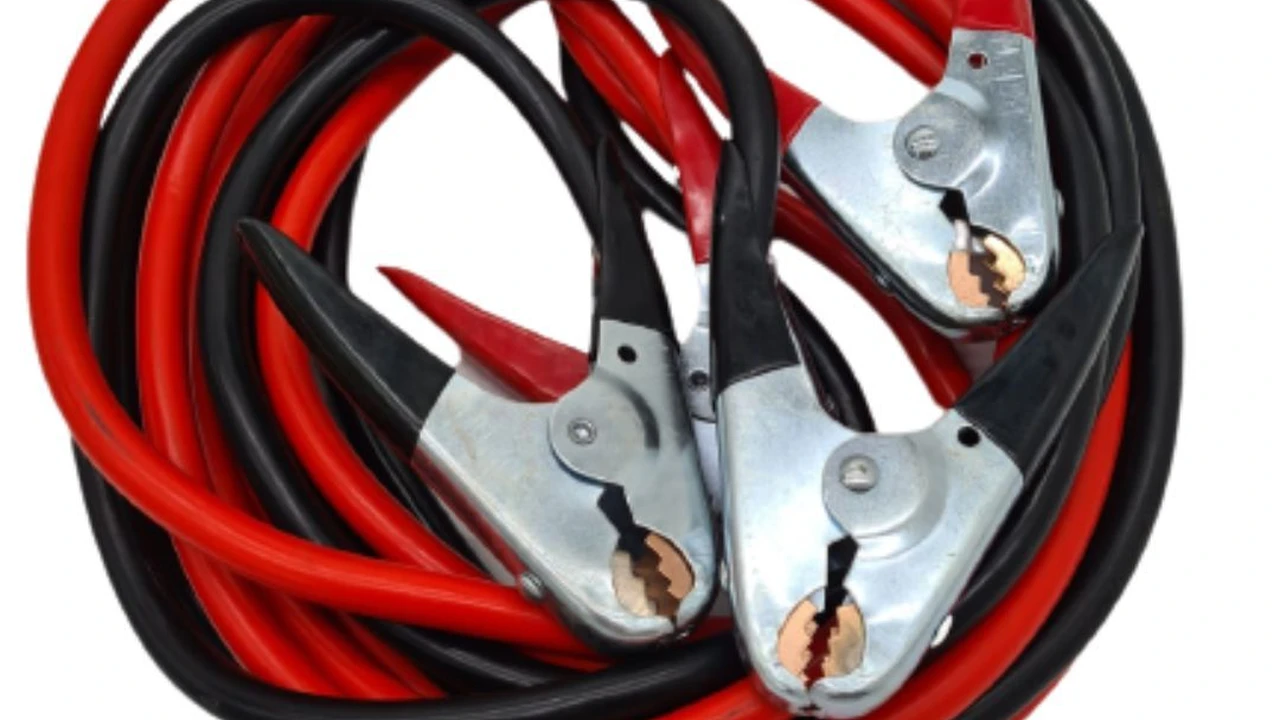
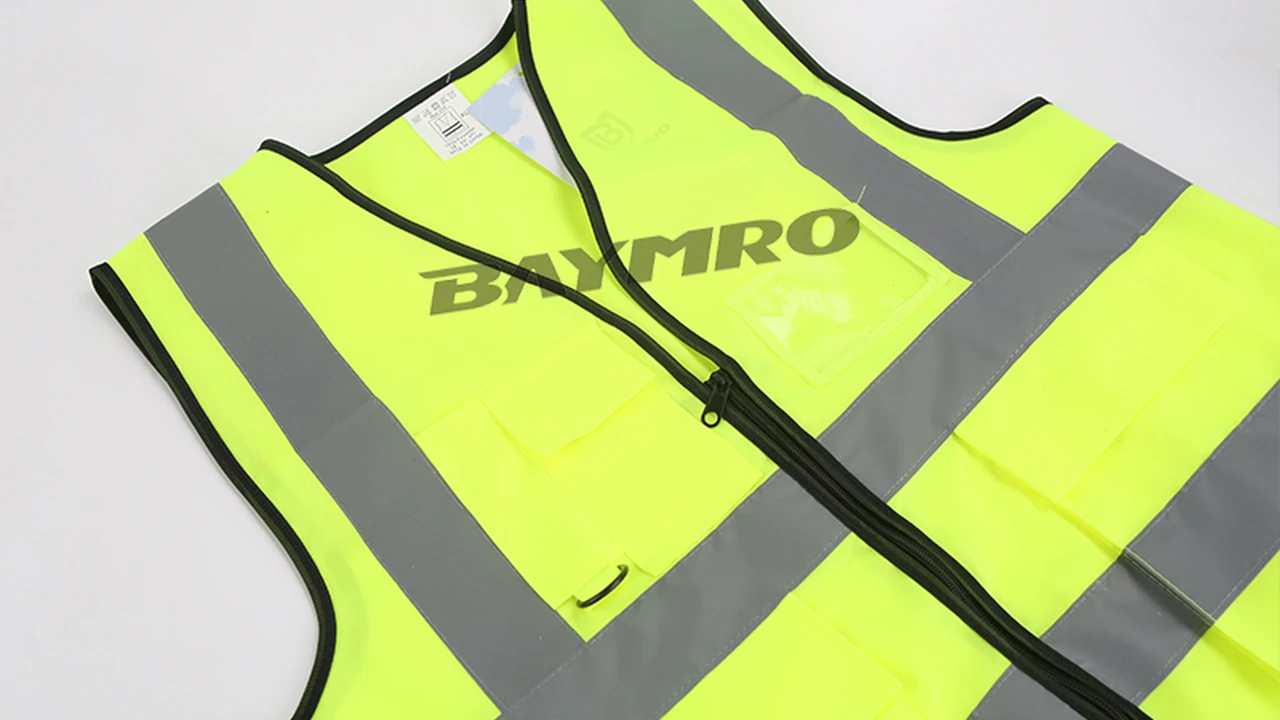
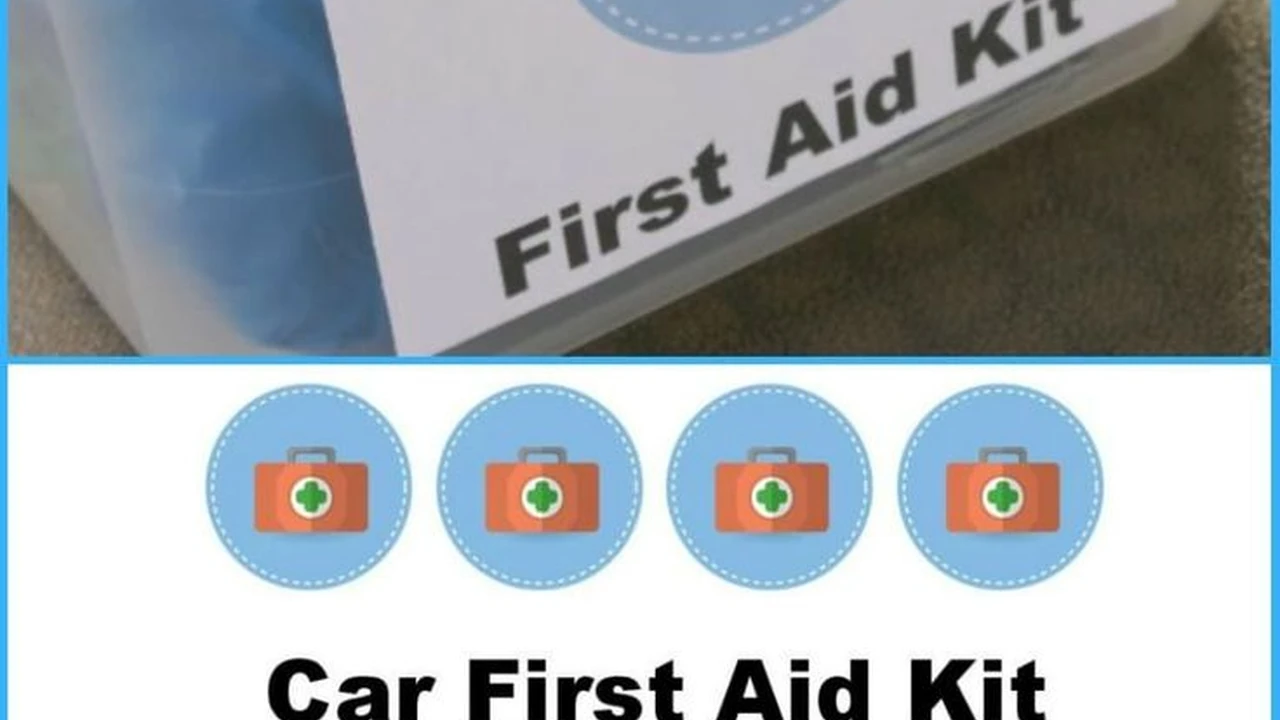
A good emergency roadside kit should include jumper cables, a first-aid kit, a flashlight, a reflective safety vest, a tire pressure gauge, and basic tools. Consider the "AAA 42-Piece Roadside Emergency Kit." It includes most of the essentials and is relatively affordable (around $30). Alternatively, the "Lifeline AAA Premium Roadside Emergency Kit" offers more comprehensive tools and supplies, but comes at a higher price (around $60). For basic needs on a budget, the "First Secure 53-Piece Roadside Emergency Kit" provides a decent set of tools and first aid supplies for around $20. When choosing, consider the climate you live in. If you live in a cold climate, you might want a kit with a snow shovel and ice scraper. If you live in a hot climate, make sure your kit includes water and sunscreen.
Portable Jump Starters Comparing Models and Finding the Best Option for Your Vehicle
A portable jump starter can be a lifesaver if your car battery dies. The "NOCO Boost Plus GB40 1000 Amp 12-Volt UltraSafe Lithium Jump Starter Box" is a popular choice known for its reliability and ease of use. It costs around $100. The "Audew 2000A Peak Car Jump Starter" is a more powerful option that can jump-start larger vehicles, but it's also more expensive (around $120). For a budget-friendly option, consider the "Hulkman Alpha85 Jump Starter," which offers good performance at a lower price (around $80). When comparing jump starters, consider the peak amps, battery capacity, and safety features. Look for jump starters with reverse polarity protection and spark-proof clamps.
Tire Inflators Maintaining Optimal Tire Pressure for Safety and Fuel Efficiency
Maintaining proper tire pressure is essential for safety and fuel efficiency. A portable tire inflator allows you to inflate your tires on the go. The "EPAuto 12V DC Portable Air Compressor Pump" is a popular and affordable option (around $30). It's easy to use and can inflate a tire in minutes. The "Viair 85P Portable Air Compressor" is a more powerful option that can inflate larger tires, but it's also more expensive (around $50). For a cordless option, consider the "Ryobi P737 18-Volt ONE+ Cordless High Pressure Inflator," which uses Ryobi's 18-volt battery system (battery and charger sold separately). When choosing a tire inflator, consider the maximum pressure, inflation speed, and power source.
Warning Triangles and Flares Enhancing Visibility and Alerting Other Drivers to Your Presence
Warning triangles and flares are essential for alerting other drivers to your presence when you're stopped on the side of the road. The "Cartman 15" Foldable Reflective Safety Triangle" is a simple and effective option (around $15). It's easy to set up and provides good visibility. The "Orion Safety Products 525 Locator Roadside Flare Kit" includes three flares that can be seen from a distance (around $20). For a reusable option, consider LED flares like the "Wsdcam LED Road Flares Emergency Lights," which are battery-powered and can be used multiple times (around $25 for a set of three). When choosing warning devices, consider visibility, ease of use, and durability.
Dash Cams Recording Accidents and Providing Evidence for Insurance Claims
A dash cam can provide valuable evidence in the event of an accident. The "Vantrue N2 Pro Uber Dual Dash Cam" records both the front and interior of your vehicle (around $200). The "Garmin Dash Cam 57" is a smaller and more discreet option that records high-quality video (around $150). For a budget-friendly option, consider the "APEMAN C450 Dash Cam," which offers decent performance at a lower price (around $50). When choosing a dash cam, consider the video resolution, viewing angle, and storage capacity. Look for dash cams with loop recording and automatic incident detection.
Staying Calm and Collected Managing Stress and Anxiety After a Car Accident
Being in a car accident can be a traumatic experience. It's normal to feel stressed, anxious, or even scared. Take time to process your emotions and seek support from friends, family, or a therapist. Practice relaxation techniques, such as deep breathing or meditation. Avoid making any major decisions until you've had time to calm down. Remember that you're not alone and that it's okay to ask for help.
:max_bytes(150000):strip_icc()/277019-baked-pork-chops-with-cream-of-mushroom-soup-DDMFS-beauty-4x3-BG-7505-5762b731cf30447d9cbbbbbf387beafa.jpg)