The Importance of Tire Rotation: Extending Tire Life
Understanding Tire Wear Patterns and Rotation Benefits
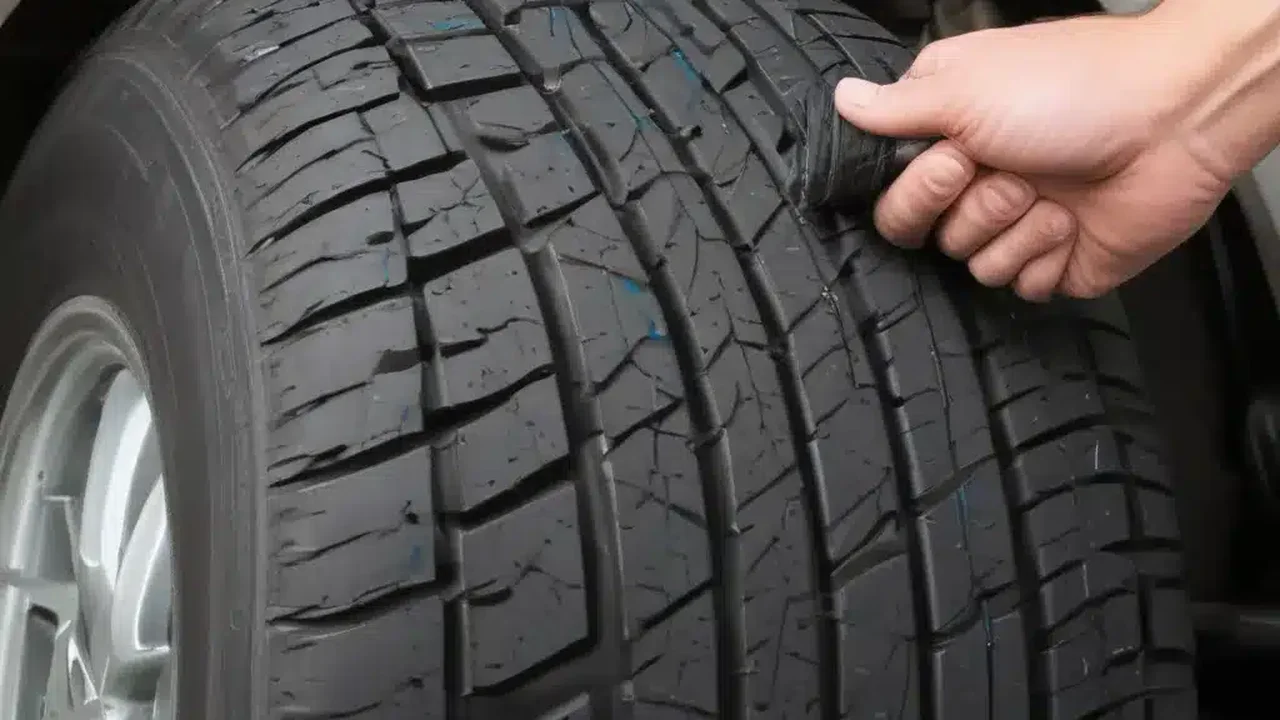
Alright, let's talk tires. We all know they're important, right? But how many of us actually think about them beyond getting them filled with air when the little light pops up on the dashboard? One of the most overlooked aspects of tire maintenance is rotation. You might be thinking, "Rotation? What's the big deal?" Well, let me tell you, it's a bigger deal than you might think. Uneven tire wear is a common problem, and it can lead to a whole host of issues, including reduced tire life, decreased fuel efficiency, and even compromised safety. Rotating your tires regularly helps to distribute wear evenly, ensuring that all four tires wear out at roughly the same rate. This extends the life of your tires, saving you money in the long run. Think of it like this: if you only wear one pair of shoes all the time, they're going to wear out much faster than if you rotate between several pairs. The same principle applies to tires.
Different driving conditions and vehicle types can contribute to uneven wear. Front tires, especially on front-wheel-drive vehicles, tend to wear out faster due to the added stress of steering and acceleration. Factors like cornering, braking, and even road surfaces can also play a role. By rotating your tires, you're essentially giving each tire a chance to experience different positions and stresses, which helps to even out the wear. So, how often should you rotate your tires? A good rule of thumb is to rotate them every 5,000 to 8,000 miles, or about every six months. Check your vehicle's owner's manual for specific recommendations. If you're noticing uneven wear patterns, it's a good idea to rotate them sooner rather than later.
DIY Tire Rotation vs Professional Service Cost Considerations
You've got a couple of options when it comes to rotating your tires: you can do it yourself, or you can take your vehicle to a professional. DIY tire rotation can save you money, but it requires some basic tools and knowledge. You'll need a jack, lug wrench, and potentially some jack stands for safety. You also need to know the correct rotation pattern for your vehicle. There are several different patterns, including front-to-back, X-pattern, and side-to-side. The best pattern depends on your vehicle type and tire type. Doing it yourself can be rewarding, but if you're not comfortable working on your car, it's best to leave it to the professionals.
Professional tire rotation is a convenient option, and it ensures that the job is done correctly. Most tire shops and auto repair shops offer tire rotation services. The cost can vary depending on the shop and your location, but it typically ranges from $20 to $50. While it's more expensive than doing it yourself, it's a relatively small price to pay for the peace of mind knowing that your tires are being rotated properly. Plus, the professionals can also inspect your tires for any signs of damage or wear that you might have missed. They can also balance your tires at the same time, which can further improve ride quality and tire life.
Choosing the Right Tires Understanding Tire Types and Brands
Now, let's talk about choosing the right tires. With so many different brands and types of tires available, it can be overwhelming to know where to start. The best tires for your vehicle depend on several factors, including your driving habits, the type of vehicle you drive, and the climate you live in. All-season tires are a popular choice for many drivers, as they provide good performance in a variety of conditions. However, if you live in an area with severe winter weather, you might want to consider winter tires, which offer superior traction on snow and ice. Performance tires are designed for sporty vehicles and offer enhanced handling and grip. Truck and SUV tires are designed to handle the heavier loads and tougher conditions that these vehicles typically encounter.
Some popular tire brands include Michelin, Bridgestone, Goodyear, Continental, and Pirelli. Each brand offers a range of tires to suit different needs and budgets. Michelin is known for its high-quality tires that offer excellent performance and durability. Bridgestone is another reputable brand that offers a wide range of tires for various vehicles. Goodyear is a classic American brand that has been around for over a century. Continental is a German brand that is known for its innovative tire technology. Pirelli is an Italian brand that is known for its high-performance tires. When choosing tires, it's important to consider factors like tread life, handling, noise level, and price. Reading online reviews and comparing different tires can help you make an informed decision.
Recommended Tire Rotation Tools and Equipment Product Reviews and Pricing
If you're planning on rotating your tires yourself, you'll need some basic tools and equipment. Here are a few recommended products:
- Torin Big Red Hydraulic Trolley Floor Jack: This jack is a great option for lifting your vehicle safely and easily. It has a lifting capacity of 3 tons and features a durable steel construction. Price: Around $50-$70.
- EPAuto 1/2 inch Drive Click Torque Wrench: A torque wrench is essential for tightening lug nuts to the correct specification. This wrench is adjustable and accurate, ensuring that your lug nuts are properly tightened. Price: Around $30-$40.
- TEKTON 1/2 Inch Drive Deep Impact Socket Set: This socket set includes a variety of sizes to fit most lug nuts. The sockets are made from high-quality chrome vanadium steel for durability. Price: Around $40-$50.
- CARTMAN 3 Ton Jack Stands: Jack stands are essential for safety when working under your vehicle. These jack stands have a sturdy steel construction and a wide base for stability. Price: Around $30-$40 per pair.
- Wheel Chocks: Always use wheel chocks to prevent the vehicle from rolling while you are working on it. A simple and cheap but vital safety item. Price: Around $10-$20 per pair.
Real-World Tire Rotation Scenarios and Best Practices for Optimal Performance
Let's look at some real-world scenarios. Imagine you're a daily commuter driving a front-wheel-drive sedan. You notice that your front tires are wearing out much faster than your rear tires. In this case, you should rotate your tires more frequently, perhaps every 5,000 miles. A front-to-back rotation pattern would be most effective. If you drive a rear-wheel-drive truck and often haul heavy loads, you might experience uneven wear on all four tires. In this scenario, an X-pattern rotation might be more appropriate. Another scenario is if you have directional tires. Directional tires have a specific tread pattern that is designed to rotate in one direction only. In this case, you can only rotate them from front to back on the same side of the vehicle.
Some best practices for optimal tire performance include checking your tire pressure regularly. Underinflated tires can wear out faster and reduce fuel efficiency. Overinflated tires can lead to a harsh ride and reduced traction. Also, be sure to inspect your tires regularly for any signs of damage or wear, such as cuts, bulges, or uneven tread wear. If you notice any problems, have your tires inspected by a professional. Another important tip is to balance your tires when you rotate them. Tire balancing helps to ensure that the weight is evenly distributed around the tire, which can improve ride quality and tire life. By following these tips and rotating your tires regularly, you can extend the life of your tires, improve your vehicle's performance, and save money in the long run.
Understanding Tire Pressure Monitoring Systems (TPMS) and Their Impact on Tire Life
Most modern vehicles are equipped with a Tire Pressure Monitoring System (TPMS). This system monitors the air pressure in your tires and alerts you if the pressure drops below a certain level. Maintaining proper tire pressure is crucial for optimal tire life and fuel efficiency. TPMS can help you identify leaks or other issues that might be causing your tires to lose air. By addressing these issues promptly, you can prevent premature tire wear and improve your vehicle's safety. It's important to note that TPMS sensors may need to be reset after a tire rotation. Consult your vehicle's owner's manual for instructions on how to reset the TPMS. Some TPMS sensors may also need to be replaced periodically, as the batteries can eventually die. If your TPMS light is on, even after you've checked and adjusted your tire pressure, you may need to have your TPMS sensors inspected by a professional.
The Environmental Impact of Tire Disposal and Recycling Options
Finally, let's talk about the environmental impact of tire disposal. Millions of tires are discarded every year, and improper disposal can lead to environmental problems. Tires can take hundreds of years to decompose, and they can leach harmful chemicals into the soil and water. Fortunately, there are several tire recycling options available. Some tires are recycled into new products, such as playground surfaces, rubber mulch, and asphalt. Other tires are used as fuel in cement kilns and power plants. When you're replacing your tires, be sure to ask your tire shop about recycling options. Many tire shops will recycle your old tires for a small fee. By recycling your tires, you can help to reduce the environmental impact of tire disposal and conserve valuable resources.
Comparing All-Season vs Winter Tires for Different Climate Conditions
Choosing between all-season and winter tires depends heavily on your local climate. All-season tires are designed to provide reasonable performance in a variety of conditions, including dry, wet, and light snow. They're a good choice for drivers who live in areas with mild winters. However, if you live in an area with heavy snow and ice, winter tires are a much better option. Winter tires have a special tread pattern and rubber compound that provide superior traction on snow and ice. They also have more biting edges, which help to grip the road surface. While all-season tires might be adequate for occasional snow, winter tires offer a significant improvement in safety and control in severe winter conditions. It's important to remember that winter tires should be installed on all four wheels, not just the front or rear wheels. This ensures that your vehicle has balanced traction and handling.
:max_bytes(150000):strip_icc()/277019-baked-pork-chops-with-cream-of-mushroom-soup-DDMFS-beauty-4x3-BG-7505-5762b731cf30447d9cbbbbbf387beafa.jpg)