The Importance of Replacing Your Car's Cabin Air Filter
Understanding Car Cabin Air Filters and Their Crucial Role
Hey there, fellow drivers! Ever wondered about that weird smell coming from your car's vents? Or maybe you've noticed more dust than usual inside your ride? Chances are, your cabin air filter is screaming for a replacement. A lot of folks overlook this little guy, but it plays a HUGE role in the air quality inside your car and your overall driving experience. Let's dive into why replacing your cabin air filter is so important.
Think of your cabin air filter as your car's respiratory system. It's designed to trap pollutants like dust, pollen, mold spores, and even exhaust fumes before they enter the cabin. This is especially important if you live in a city with heavy traffic or have allergies. A clogged filter can seriously compromise the air you and your passengers breathe. It’s not just about comfort; it’s about health!
The Benefits of a Clean Cabin Air Filter
So, what exactly does a fresh cabin air filter do for you? Well, the benefits are pretty significant.
- Improved Air Quality: Obviously, this is the big one. A clean filter means cleaner air circulating in your car. Less dust, pollen, and other irritants floating around means fewer allergy symptoms, less sneezing, and just an overall more pleasant driving experience. If you’ve got kids or anyone with respiratory issues, this is even more crucial.
- Better HVAC Performance: A clogged filter restricts airflow to your car's heating and cooling system. This means your AC might not be as cold in the summer, and your heater might struggle in the winter. Replacing the filter allows your HVAC system to work more efficiently, saving you gas and prolonging the life of the system itself. Think of it as giving your AC and heater a breath of fresh air (pun intended!).
- Reduced Odors: That musty or stale smell in your car could be coming from a dirty cabin air filter. The filter traps all sorts of nasty stuff, and over time, it can start to smell. A new filter eliminates these odors and keeps your car smelling fresh and clean. Nobody wants to drive around in a smelly car!
- Clearer Windshield: Believe it or not, a clogged cabin air filter can contribute to a foggy windshield. The restricted airflow makes it harder for your defroster to work effectively. A clean filter ensures proper airflow, helping to keep your windshield clear and your visibility sharp. Safety first!
When to Replace Your Car's Cabin Air Filter: Replacement Schedule and Signs
Okay, so you're convinced you need to replace your cabin air filter. But how often should you do it? A good rule of thumb is to replace it every 12,000 to 15,000 miles, or about once a year. However, this can vary depending on your driving conditions. If you drive in dusty or polluted areas, you might need to replace it more frequently.
Here are some signs that your cabin air filter needs replacing:
- Reduced airflow from your vents
- Musty or stale odors inside the car
- Increased allergy symptoms while driving
- Foggy windshield that takes longer to clear
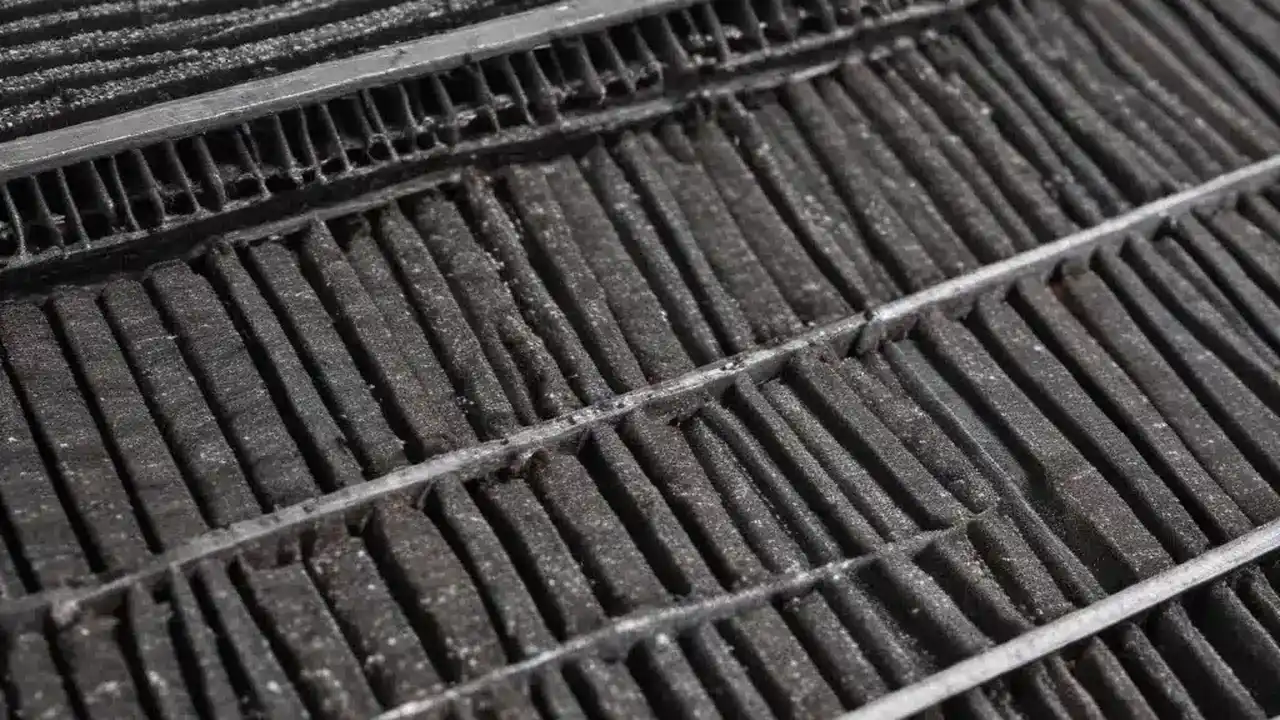
- Visible dirt and debris on the filter
Don't wait until your car is practically choking on dust bunnies! Regularly check your cabin air filter and replace it when necessary. Your lungs (and your car) will thank you.
Choosing the Right Car Cabin Air Filter: Brands and Types
Now, let's talk about choosing the right cabin air filter. There are a few different types available, each with its own pros and cons.
- Particulate Filters: These are the standard, basic filters. They're designed to trap dust, pollen, and other large particles. They're generally the most affordable option.
- Activated Carbon Filters: These filters contain activated carbon, which helps to absorb odors and gases. They're a good choice if you're sensitive to smells or live in an area with high levels of air pollution. They usually cost a bit more than particulate filters.
- Electrostatic Filters: These filters use an electrostatic charge to attract and trap particles. They're generally more effective at capturing smaller particles than particulate filters. They're often a mid-range price option.
As for brands, here are a few popular and reliable options:
- FRAM: A well-known brand offering a wide range of cabin air filters at various price points. They have both particulate and activated carbon filters available.
- Purolator: Another reputable brand with a solid reputation for quality. They offer a good balance of performance and price.
- MANN-FILTER: A German brand known for its high-quality filters. They're often a bit more expensive, but they offer excellent filtration performance.
- Bosch: A trusted brand in automotive parts, Bosch offers cabin air filters that are known for their durability and effectiveness.
Product Recommendations: Specific Cabin Air Filter Options
Alright, let's get down to some specific recommendations. Keep in mind that the best filter for you will depend on your specific car make and model, as well as your individual needs and budget. Always double-check the fitment guide before purchasing any filter!
FRAM Fresh Breeze Cabin Air Filter with Arm & Hammer Baking Soda
Type: Activated Carbon
Description: This filter combines the benefits of activated carbon with the odor-absorbing power of Arm & Hammer baking soda. It's a great choice if you're looking to eliminate odors and improve air quality.
Use Case: Ideal for drivers who are sensitive to smells or who frequently transport pets or food in their car.
Comparison: Compared to a standard particulate filter, the FRAM Fresh Breeze offers superior odor elimination. However, it may be slightly more expensive.
Price: Around $15-$25 (depending on the vehicle and retailer)
PurolatorONE Cabin Air Filter
Type: Particulate
Description: A reliable and affordable option for basic filtration. It effectively traps dust, pollen, and other large particles.
Use Case: Suitable for drivers who are primarily concerned with removing dust and pollen from the air inside their car.
Comparison: Compared to an activated carbon filter, the PurolatorONE offers less odor protection but is more budget-friendly.
Price: Around $10-$20 (depending on the vehicle and retailer)
MANN-FILTER CUK 29 005-2 Cabin Filter with Activated Carbon
Type: Activated Carbon
Description: A high-quality filter that provides excellent filtration and odor absorption. It's a great choice for drivers who want the best possible air quality.
Use Case: Recommended for drivers who live in areas with high levels of air pollution or who have allergies.
Comparison: Compared to other activated carbon filters, the MANN-FILTER offers superior filtration performance and durability. However, it is typically more expensive.
Price: Around $20-$35 (depending on the vehicle and retailer)
Bosch HEPA Cabin Air Filter
Type: HEPA
Description: Bosch's HEPA filter offers exceptional filtration, capturing a very high percentage of particulate matter, including allergens, bacteria, and viruses.
Use Case: Best for individuals with severe allergies or sensitivities, or those who prioritize the cleanest possible air within their vehicle.
Comparison: While more expensive than standard particulate or activated carbon filters, the Bosch HEPA filter provides the highest level of air purification.
Price: Around $25-$40 (depending on the vehicle and retailer)
DIY Cabin Air Filter Replacement: A Step-by-Step Guide
Replacing your cabin air filter is usually a pretty straightforward DIY project. You can save money by doing it yourself instead of taking it to a mechanic. Here's a general guide:
- Locate the Cabin Air Filter: The location varies depending on your car make and model. It's often behind the glove compartment or under the dashboard. Consult your owner's manual for specific instructions.
- Remove the Old Filter: Once you've located the filter housing, remove the access panel. You might need a screwdriver. Carefully slide out the old filter. Be prepared for some dust and debris to fall out!
- Install the New Filter: Make sure you install the new filter in the correct orientation. There's usually an arrow indicating the direction of airflow. Slide the new filter into the housing.
- Replace the Access Panel: Secure the access panel back in place.
That's it! You've successfully replaced your cabin air filter. Enjoy the fresh, clean air!
The Long-Term Benefits of Maintaining a Clean Cabin Air Filter
Regularly replacing your cabin air filter is a small investment that can have a big impact on your driving experience and your health. It improves air quality, enhances HVAC performance, reduces odors, and contributes to a clearer windshield. So, don't neglect this important maintenance item. Keep your cabin air filter clean, and breathe easy!
:max_bytes(150000):strip_icc()/277019-baked-pork-chops-with-cream-of-mushroom-soup-DDMFS-beauty-4x3-BG-7505-5762b731cf30447d9cbbbbbf387beafa.jpg)