Staying Hydrated on the Roadside: Preventing Heatstroke

Understanding the Dangers of Dehydration and Heatstroke While Driving
Alright, let's talk about something super important, especially if you're planning any road trips, long drives, or even just dealing with a particularly hot commute: staying hydrated. We're not just talking about feeling a little thirsty; we're talking about the real risks of dehydration and, even worse, heatstroke. Think of your car like a little greenhouse – it can heat up ridiculously fast, especially in direct sunlight. And when you're stuck in traffic or driving for hours, it’s easy to forget to drink enough water.
Dehydration happens when your body loses more fluids than it takes in. Symptoms can range from mild (headache, dizziness, feeling tired) to severe (confusion, rapid heartbeat, even loss of consciousness). Heatstroke, on the other hand, is a medical emergency. It occurs when your body's temperature rises to dangerous levels (usually above 104°F or 40°C). Symptoms include high body temperature, hot, red skin, rapid pulse, confusion, and potentially seizures or coma. Seriously, it’s no joke.
So, why is this a roadside safety issue? Well, impaired cognitive function due to dehydration can significantly affect your driving abilities. You might experience slowed reaction times, poor judgment, and decreased concentration. Imagine trying to merge onto a busy highway when you're feeling lightheaded and confused – not a good situation. Heatstroke can be even more catastrophic, leading to sudden incapacitation and loss of control of your vehicle. Prevention is key!
Essential Hydration Tips for Roadside Safety and Long Drives
Okay, so how do we avoid turning into a dehydrated, heatstroke-prone mess on the road? Here’s the lowdown:
- Plan Ahead: Before you even leave, make sure you've got a plan for staying hydrated. Pack plenty of water, sports drinks, or electrolyte-rich beverages. Don't rely on finding a gas station when you're already feeling thirsty.
- Drink Consistently: Don't wait until you're thirsty to start drinking. Sip water regularly throughout your drive, even if you don't feel like it. Aim for at least 8 ounces (240 ml) of water every hour.
- Avoid Sugary Drinks: While soda or juice might seem appealing, they can actually dehydrate you in the long run. Stick to water, sports drinks, or unsweetened iced tea.
- Eat Hydrating Snacks: Certain foods, like fruits and vegetables, have high water content. Pack some watermelon, cucumbers, or oranges for a refreshing and hydrating snack.
- Take Breaks: Stop at rest areas or gas stations to stretch your legs and rehydrate. Use this time to cool down and replenish your fluids.
- Dress Appropriately: Wear light-colored, loose-fitting clothing to help your body regulate its temperature.
- Check the Weather: Be aware of the forecast and adjust your hydration strategy accordingly. If it's going to be a scorcher, you'll need to drink even more.
- Pay Attention to Your Body: Listen to your body's signals. If you're feeling thirsty, dizzy, or tired, take a break and rehydrate.
Choosing the Right Hydration Products for Driving and Roadside Emergencies
Now, let's talk gear. Having the right products can make a huge difference in staying hydrated on the road. Here are a few recommendations:
Water Bottles for Roadside Hydration: Comparing Features and Prices
Hydro Flask (Starting at $30): These are awesome for keeping your water cold for hours. They're made of stainless steel, super durable, and come in various sizes. Great for long road trips, but can be a bit pricey.
Yeti Rambler (Starting at $25): Similar to Hydro Flask, Yeti Ramblers are known for their insulation and durability. They also offer a wide range of sizes and colors. Another solid choice for keeping your drinks cold.
Nalgene Tritan (Starting at $15): A classic, durable, and BPA-free plastic bottle. They're lightweight, easy to clean, and relatively inexpensive. Not insulated, so your water won't stay cold for as long.
CamelBak Eddy+ (Starting at $13): Features a bite valve for easy, hands-free drinking. Great for staying hydrated while driving, but requires a bit more cleaning. Made of BPA-free plastic.
Reusable Collapsible Water Bottles (Starting at $10): These are fantastic for saving space when empty. Perfect for packing in your emergency kit. Look for BPA-free options.
Electrolyte Drinks and Powders for Enhanced Roadside Hydration
Liquid I.V. Hydration Multiplier (Around $25 for 30 packets): These packets are packed with electrolytes and vitamins. Just mix one packet with water for rapid hydration. Great for replenishing electrolytes lost through sweat.
Nuun Sport Electrolyte Tablets (Around $15 for a tube of 10 tablets): These tablets dissolve in water and provide electrolytes without added sugar. Convenient for on-the-go hydration. Various flavors available.
Gatorade Zero (Varies by location): A classic sports drink with electrolytes, but with zero sugar. A good option if you're watching your sugar intake.
Pedialyte (Varies by location): Often used for children, Pedialyte is also a great option for adults who are dehydrated. It contains a high concentration of electrolytes and helps replenish fluids quickly.
Hydration Packs and Backpacks for Active Roadside Situations
CamelBak HydroBak (Starting at $70): A small, lightweight hydration pack perfect for hiking or biking. Features a 1.5-liter reservoir and a comfortable design.
Osprey Talon 22 (Starting at $130): A versatile backpack with a built-in hydration sleeve. Great for day hikes or longer adventures. Offers ample storage space for other essentials.
Platypus Big Zip LP Reservoir (Starting at $40): A durable and reliable hydration reservoir that can be used with various backpacks. Features a wide opening for easy filling and cleaning.
Roadside Scenarios and Hydration Strategies: Real-World Examples
Let's look at some common roadside scenarios and how to stay hydrated in each:
Long Road Trip in the Summer Heat: Hydration Planning and Pit Stops
Imagine you're driving cross-country in July. The temperature is soaring, and you're spending hours behind the wheel. Here's the plan: Pack a cooler with plenty of water bottles, electrolyte drinks, and hydrating snacks. Stop every two hours to stretch, rehydrate, and cool down. Wear light-colored clothing and use a sunshade to keep your car cool. Consider using seat coolers if you are very sensitive to heat. Monitor yourself and your passengers for signs of dehydration or heatstroke.
Dealing with a Flat Tire on a Hot Day: Staying Cool and Hydrated During Repairs
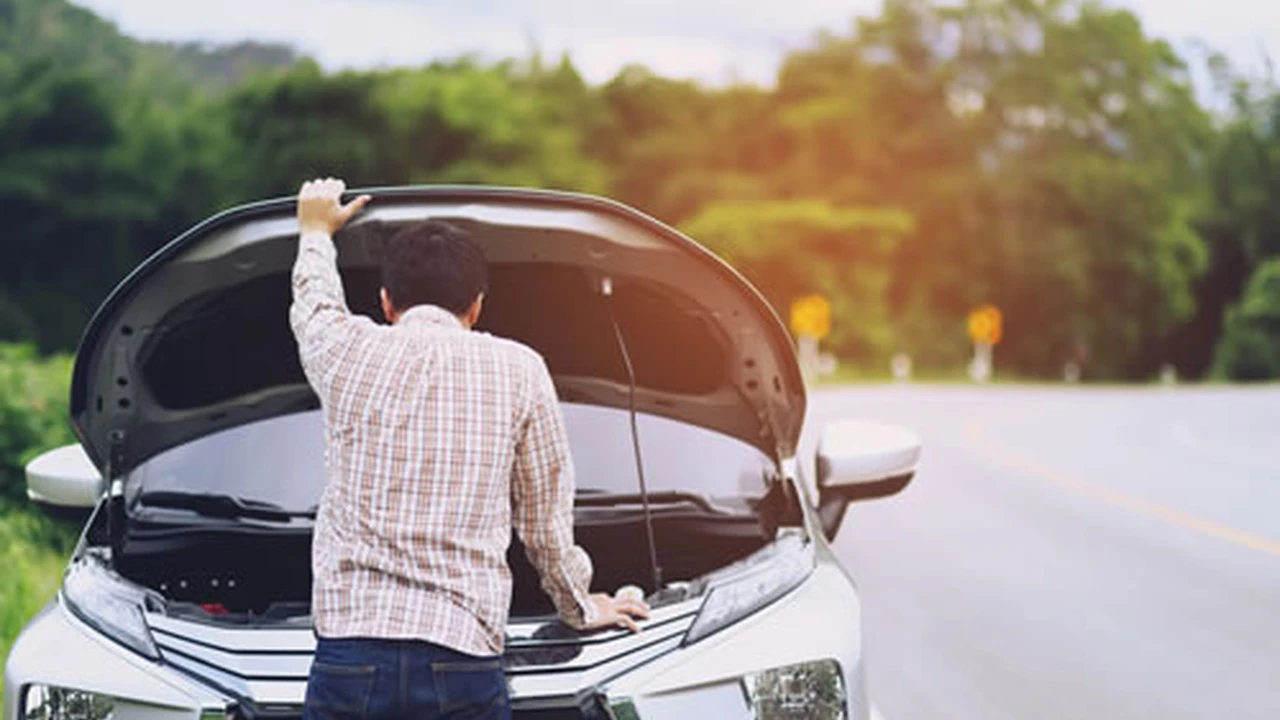
You're on the side of the road, changing a flat tire in the blazing sun. This is a recipe for dehydration! Before you start, drink plenty of water. Keep a water bottle nearby and sip frequently. Wear a hat and apply sunscreen. Take breaks in the shade if possible. If you start feeling dizzy or weak, stop immediately and call for help. Consider a roadside assistance plan for situations like this.
Stuck in Traffic: Maintaining Hydration and Avoiding Dehydration Stress
You're stuck in bumper-to-bumper traffic on a hot day. This can be incredibly stressful and dehydrating. Keep a water bottle within easy reach and sip regularly. Avoid sugary drinks that can make you feel worse. Take deep breaths and try to relax. If you start feeling anxious, pull over to a safe location and take a break.
Recognizing and Treating Dehydration and Heatstroke: Emergency Roadside Measures
It's crucial to be able to recognize the signs of dehydration and heatstroke and know how to respond in an emergency. Here's what to look for:
Dehydration Symptoms and First Aid: What to Do When Thirst Turns Serious
Symptoms: Thirst, dry mouth, headache, dizziness, fatigue, dark urine, decreased urination.
First Aid: Stop and rest in a cool place. Drink plenty of water or electrolyte drinks. Loosen clothing. If symptoms worsen, seek medical attention.
Heatstroke Symptoms and Emergency Response: Acting Quickly to Save a Life
Symptoms: High body temperature (above 104°F or 40°C), hot, red skin, rapid pulse, confusion, seizures, loss of consciousness.
Emergency Response: Call 911 immediately. Move the person to a cool place. Remove excess clothing. Apply cool water to the skin (e.g., with a sponge or hose). Monitor the person's condition until help arrives. Do not give the person anything to drink if they are unconscious.
Preventative Measures for Roadside Safety: Long-Term Hydration Habits
Staying hydrated isn't just about road trips; it's about building healthy habits for life. Here are a few tips for maintaining optimal hydration:
Incorporating Hydration into Your Daily Routine: Tips and Tricks for Staying Properly Hydrated
Carry a water bottle with you throughout the day. Set reminders to drink water. Eat hydrating foods. Limit your intake of sugary drinks and caffeine. Make hydration a priority!
Educating Passengers about Hydration: Promoting Awareness and Shared Responsibility
Talk to your passengers about the importance of staying hydrated on the road. Encourage them to drink plenty of water and to let you know if they're feeling unwell. Make sure everyone is aware of the signs of dehydration and heatstroke.
Staying hydrated on the roadside is all about planning, preparation, and awareness. By following these tips, you can ensure a safe and enjoyable journey for yourself and your passengers. Safe travels!
:max_bytes(150000):strip_icc()/277019-baked-pork-chops-with-cream-of-mushroom-soup-DDMFS-beauty-4x3-BG-7505-5762b731cf30447d9cbbbbbf387beafa.jpg)