Performing Minor Fuel Line Repairs on the Roadside: Safety Precautions
Understanding Fuel Line Basics and Roadside Repair Necessities
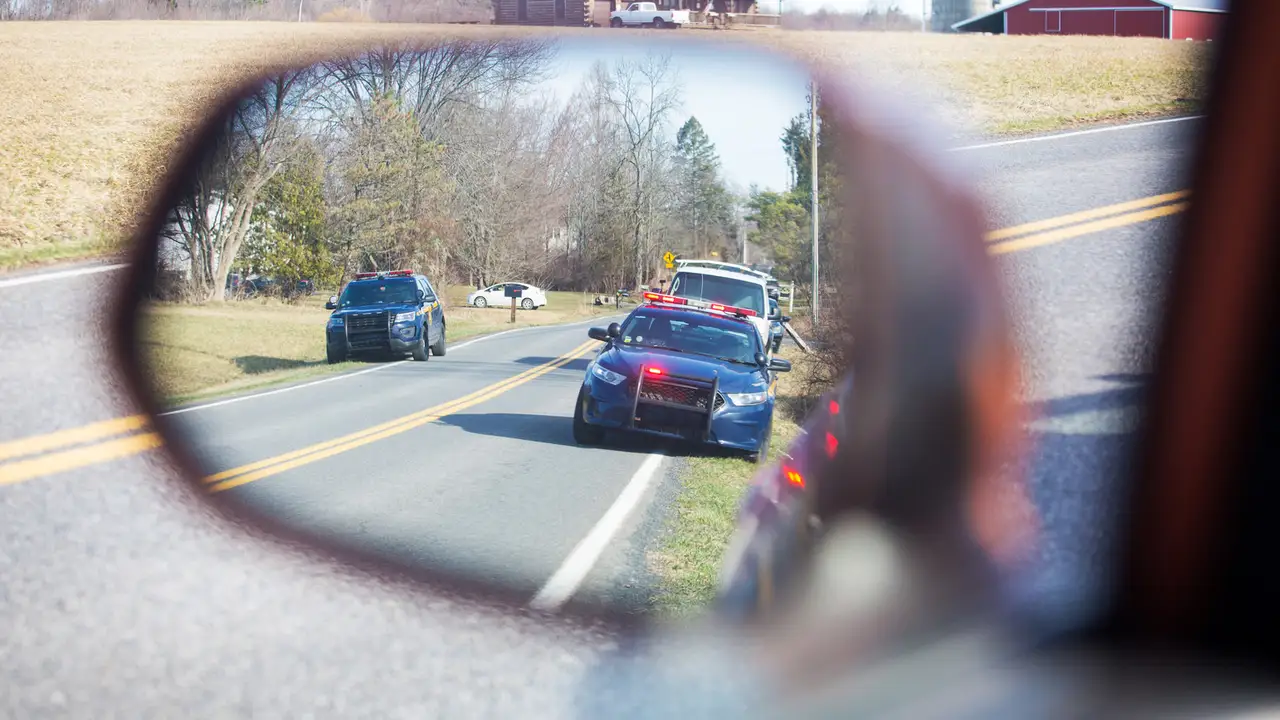
Alright, let's talk fuel lines. They're the arteries of your car, pumping that sweet, sweet gasoline (or diesel, if you're into that) to your engine. A fuel line issue on the road can leave you stranded, frustrated, and potentially in a dangerous situation. Knowing how to handle minor fuel line repairs is a valuable skill, but safety ALWAYS comes first. We're talking about flammable liquids here, folks! This isn't like fixing a flat tire. Think of this as a last resort, and only if you're comfortable and equipped. If you're at all unsure, call for professional help. Seriously.
Before we dive in, let's be clear about what we consider "minor." We're talking about small leaks, pinholes, or loose connections. If your fuel line is completely severed, crushed, or heavily corroded, you're beyond roadside repair. You need a tow truck.
Essential Safety Precautions Fuel Leak Detection and Prevention
Safety is paramount. I cannot stress this enough. Here's the breakdown:
- Ventilation: Never, ever work on a fuel line in an enclosed space. Open the hood, get some fresh air circulating. Gasoline fumes are nasty and can explode.
- No Sparks: This should be obvious, but no smoking, open flames, or anything that could generate a spark. Turn off your engine and disconnect the negative battery cable. This eliminates any chance of electrical sparks.
- Eye Protection: Wear safety glasses or goggles. Fuel can splash, and you don't want it in your eyes.
- Gloves: Use chemical-resistant gloves. Gasoline is a skin irritant and can be absorbed into your body. Nitrile gloves are a good choice.
- Fire Extinguisher: Keep a fire extinguisher rated for gasoline fires nearby. Hopefully, you won't need it, but it's better to be safe than sorry. A small ABC fire extinguisher is sufficient.
- Spill Containment: Have rags or absorbent material ready to catch any spilled fuel. Cat litter works well too.
Okay, safety briefing over. Let's get to the actual repair.
Diagnosing the Fuel Line Problem Identifying the Source of the Leak
First, you need to find the leak. Look for wet spots, drips, or the smell of gasoline. Be methodical. Follow the fuel line from the fuel tank to the engine. Pay close attention to connections, fittings, and any areas where the line might be rubbing against something. A small mirror can be helpful for inspecting hard-to-reach areas. Once you've identified the leak, assess its severity. Is it a slow drip, or a steady stream? This will determine your course of action.
Common leak locations include:
- Hose Connections: Where the fuel line connects to other components, like the fuel filter or fuel rail.
- Cracks or Pinholes: In the fuel line itself, often caused by age, wear, or corrosion.
- Fittings: Where sections of fuel line are joined together.
Temporary Roadside Fuel Line Repair Techniques DIY Solutions
These are temporary fixes to get you to a repair shop. They are NOT permanent solutions.
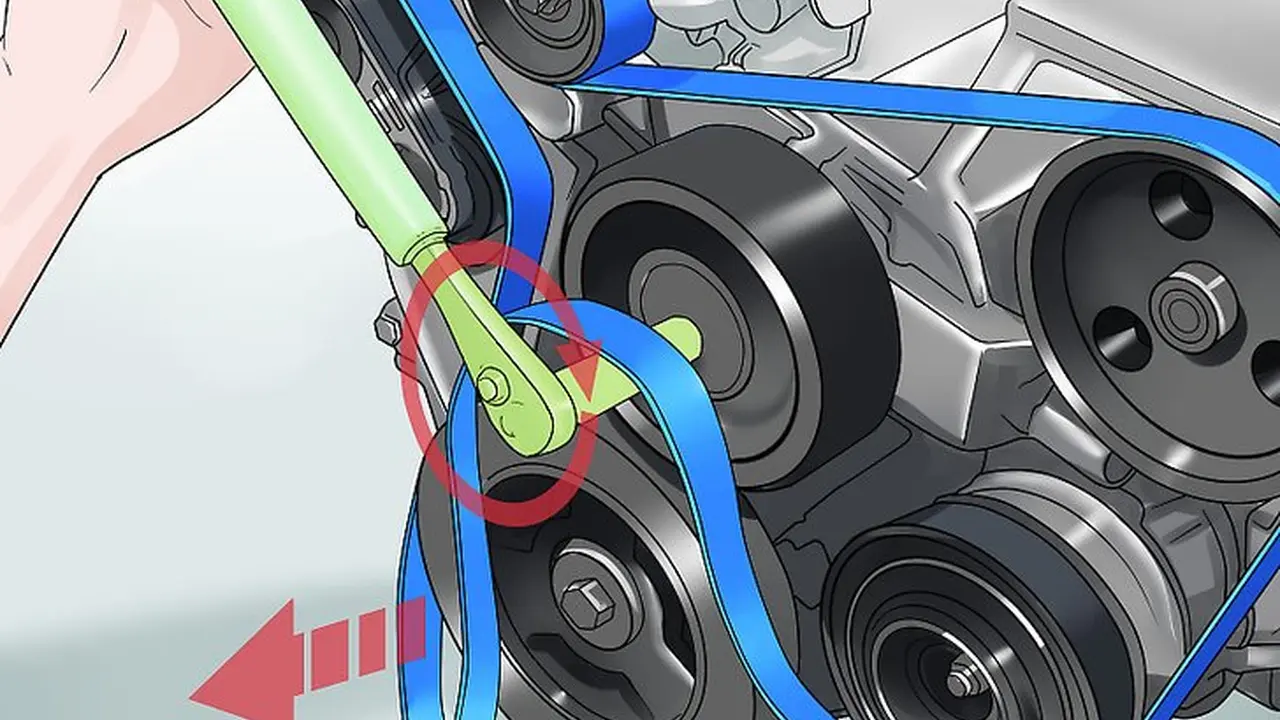
- Hose Clamp Tightening: If the leak is at a hose connection, try tightening the hose clamp. Don't overtighten, as you could damage the hose. A quarter turn or two might be enough.
- Fuel Line Tape: Special fuel line repair tape can be used to seal small leaks. Clean the area around the leak with a clean rag, then wrap the tape tightly around the fuel line, overlapping each layer. Follow the manufacturer's instructions.
- Self-Amalgamating Tape: Similar to fuel line tape, this tape bonds to itself to create a watertight seal. It's a good option for small leaks and is relatively easy to apply.
- Emergency Fuel Line Repair Kit: These kits often contain a variety of clamps, hoses, and fittings that can be used to make temporary repairs. They're a good investment if you frequently travel in remote areas.
Important: After any repair, start the engine and check for leaks. Keep a close eye on the repaired area for several minutes. If the leak persists or worsens, shut off the engine immediately and call for help.
Recommended Products for Roadside Fuel Line Repair Tools and Materials
Okay, let's talk gear. Here are a few products I'd recommend keeping in your car for roadside fuel line emergencies:
- Hose Clamp Assortment: Having a variety of hose clamp sizes is essential. A kit with different sizes of worm-gear clamps is a good starting point.
- Fuel Line Repair Tape: As mentioned above, this is a must-have. I recommend 3M Fuel Line Repair Tape. It's durable, easy to use, and provides a reliable seal. You can find it at most auto parts stores for around $10-$15.
- Self-Amalgamating Tape: Similar to fuel line tape, but it bonds to itself. Gardner Bender Self-Fusing Silicone Tape is a popular choice. It's a bit more expensive than fuel line tape (around $15-$20), but it's very versatile.
- Emergency Fuel Line Repair Kit: A comprehensive kit can be a lifesaver. The Dorman HELP! Fuel Line Repair Kit is a good option. It includes a variety of fittings, hoses, and clamps. It's a bit pricier (around $30-$50), but it's worth it for the peace of mind.
- Fuel Line Disconnect Tool Set: If you need to disconnect fuel lines, a disconnect tool set is essential. The OEMTOOLS Fuel Line Disconnect Tool Set is a good value. It includes a variety of tools for different types of fuel line connectors. It's around $20-$30.
- Fuel Resistant Gloves: Protect your hands. Nitrile Gloves are ideal. A box of 100 will cost around $15-$20.
- Safety Glasses: Don't risk your eyesight. A good pair of safety glasses like 3M Safety Glasses can be found for around $5-$10.
- ABC Fire Extinguisher: A small, portable fire extinguisher is a must-have. The First Alert Standard Home Fire Extinguisher is a good option. It's around $20-$30.
Product Comparison Fuel Line Repair Solutions Analyzed
Let's break down the product comparisons a bit more:
- Fuel Line Repair Tape vs. Self-Amalgamating Tape: Fuel line repair tape is specifically designed for fuel lines and is generally more resistant to gasoline. Self-amalgamating tape is more versatile and can be used for a wider range of repairs, but it may not be as durable in contact with fuel. For a dedicated fuel line repair, fuel line tape is the better choice. For a general-purpose emergency repair tape, self-amalgamating tape is a good option.
- Emergency Fuel Line Repair Kit vs. Individual Components: A kit is more convenient and contains everything you need in one place. However, it may be more expensive than buying individual components. If you only need a few specific items, buying them separately may be more cost-effective. However, for peace of mind and preparedness, a kit is usually the better option.
- Brand Considerations: When it comes to tools and repair materials, it's often worth spending a bit more for a reputable brand. Brands like 3M, Dorman, and OEMTOOLS are known for their quality and reliability. Cheaper, off-brand products may not be as durable or effective.
Fuel Line Repair Scenarios and Practical Applications Real-World Examples
Let's imagine a few scenarios:
- Scenario 1: Small Leak at a Hose Connection: You notice a slight gasoline smell and see a small drip at a hose connection. Solution: Try tightening the hose clamp. If that doesn't work, clean the area and wrap it with fuel line repair tape.
- Scenario 2: Pinhole in the Fuel Line: You find a small pinhole in the fuel line. Solution: Clean the area and wrap it with fuel line repair tape or self-amalgamating tape.
- Scenario 3: Severed Fuel Line (DON'T ATTEMPT ROADSIDE REPAIR): Your fuel line is completely severed. Solution: Do not attempt to repair this on the roadside. Call for a tow truck. This requires professional repair.
Long-Term Fuel Line Maintenance and Prevention Tips Preventing Future Issues
Prevention is key! Here's how to keep your fuel lines in good shape:
- Regular Inspections: Inspect your fuel lines regularly for signs of wear, cracks, or leaks.
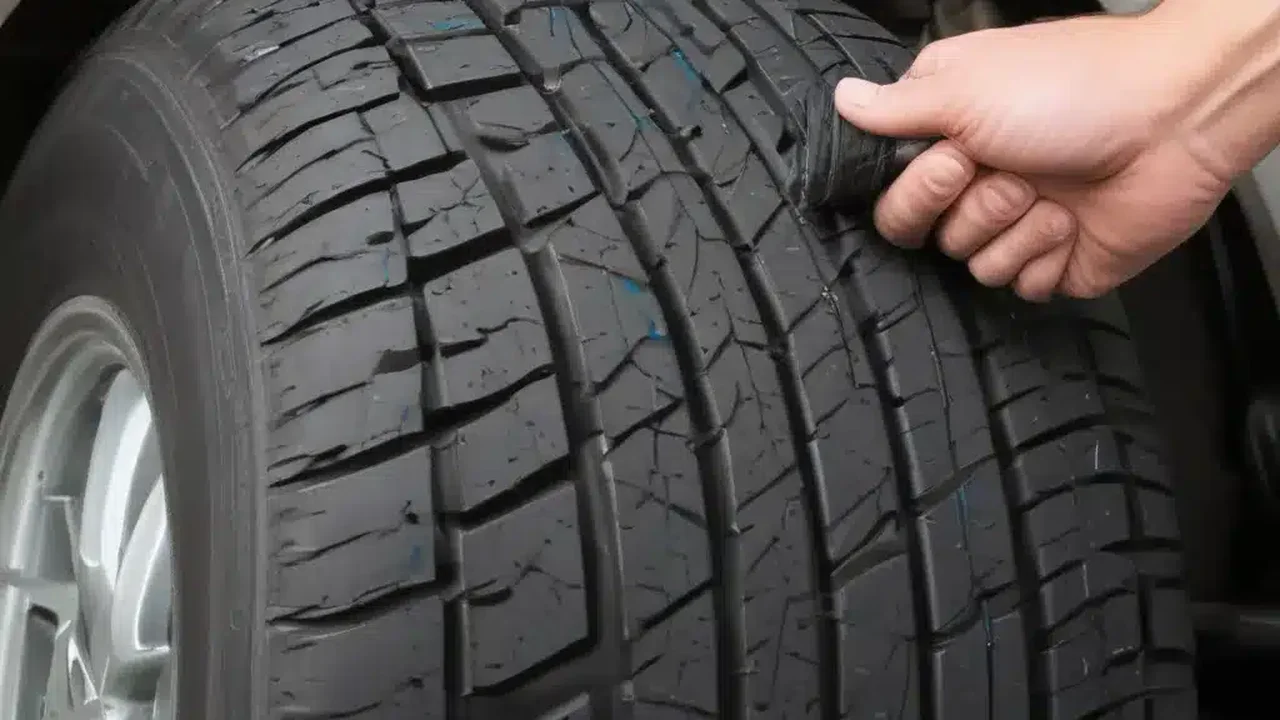
- Replace Worn Hoses: Replace any hoses that are cracked, brittle, or showing signs of wear.
- Use Fuel Additives: Fuel additives can help to keep your fuel system clean and prevent corrosion.
- Avoid Harsh Chemicals: Avoid using harsh chemicals or solvents near your fuel lines.
- Proper Storage: If you store your car for an extended period, add a fuel stabilizer to the fuel tank to prevent the fuel from going bad.
When to Call a Professional Fuel Line Repair vs Replacement
Look, sometimes you're just in over your head. Here's when to wave the white flag and call a pro:
- Major Damage: If the fuel line is severely damaged, crushed, or corroded.
- Inability to Locate the Leak: If you can't find the leak, or if it's in a hard-to-reach area.
- Lack of Experience: If you're not comfortable working on fuel lines.
- Persistent Leaks: If the leak persists after attempting a temporary repair.
- Fuel Tank Issues: If the leak is coming from the fuel tank itself.
Remember, fuel line repairs can be dangerous. If you're unsure about anything, it's always best to err on the side of caution and call a professional mechanic.
:max_bytes(150000):strip_icc()/277019-baked-pork-chops-with-cream-of-mushroom-soup-DDMFS-beauty-4x3-BG-7505-5762b731cf30447d9cbbbbbf387beafa.jpg)